Portugal · Materials & craftsmanship
Why the first cork harvest does not produce a wine cork
A wine cork looks like a simple finished product: a small piece of material that fits neatly into a bottle neck. On the tree, things begin much less neatly. According to the Portuguese cork industry association APCOR, a cork oak’s first bark is too irregular and too hard to make suitable wine corks. The first harvest is therefore a stage along the way, rather than the finish.
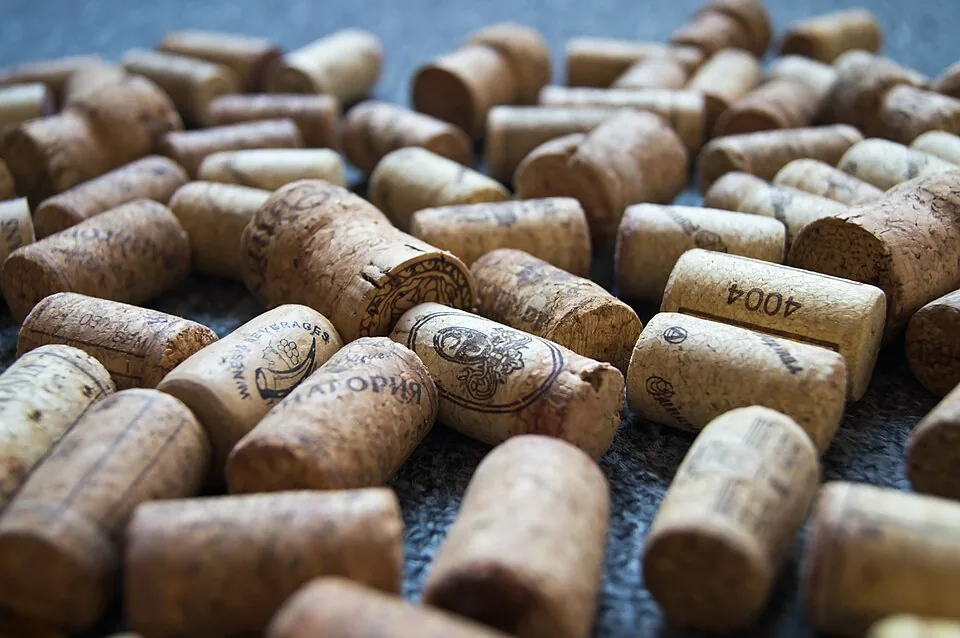
Cork is harvested as bark. For the first harvest, APCOR specifies a trunk circumference of at least 70 centimetres, measured 1.3 metres above the ground; reaching that size usually takes around 25 years. It is not a birthday on which every tree is automatically ready. The size of the trunk determines whether that first harvest can begin.
Then comes another wait. Nine years later, the second harvest produces more regular, less hard material, but the association says it is still unsuitable for wine corks. Only from the third harvest does the cork have the structure sought for good natural stoppers. The earlier bark can be used for other purposes, such as flooring or insulation.
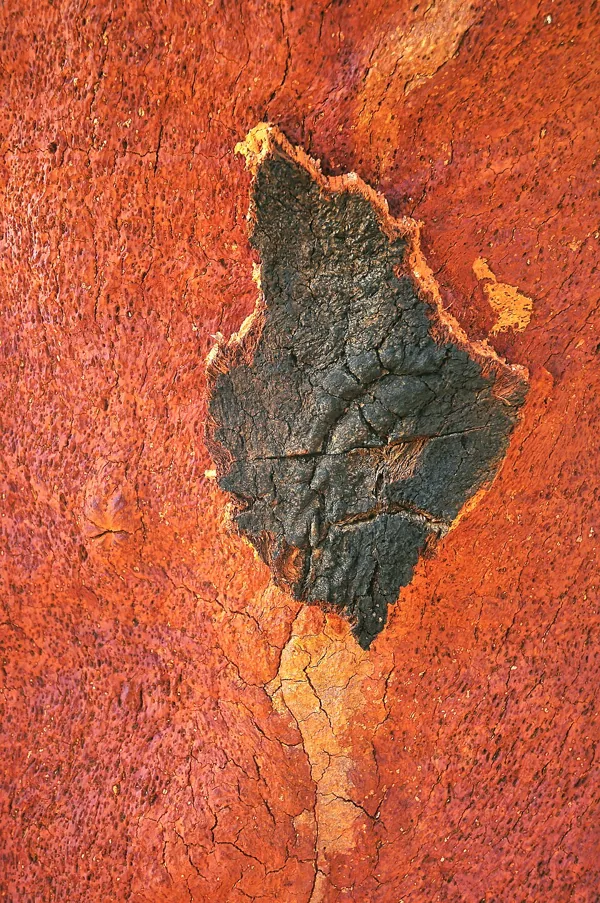
Quality here is a matter of successive harvests. Patience is not a romantic addition to the craft: it is part of the material the tree produces. You cannot understand the finished product if you treat all bark as identical.
Harvesting itself also requires experience. APCOR stresses that skilled workers must remove the bark without damaging the tree. The tree is not packaging to be discarded after one use. The work aims to make future harvests possible.
APCOR represents the cork industry; its technical explanation is not an independent guarantee of every environmental claim about cork. This story makes a narrower point: the cork in a bottle is not just any first piece of bark. Something small and familiar requires several rounds of growth, assessment and waiting on the tree.
Sources and image credits ↗