Venice and the water: 78 gates against a city that will not move
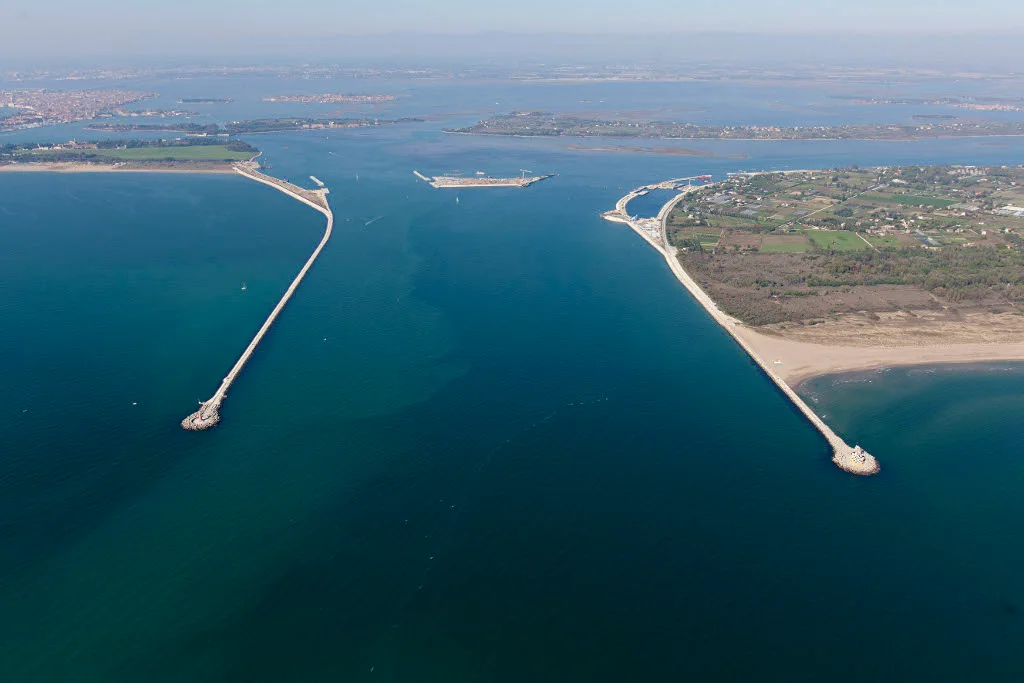
Steel gates lie under the inlets of the lagoon, rising when the tide comes. They work. The question is what happens if they are needed more often than intended.
Read the story →
Steel gates lie under the inlets of the lagoon, rising when the tide comes. They work. The question is what happens if they are needed more often than intended.
Read the story →
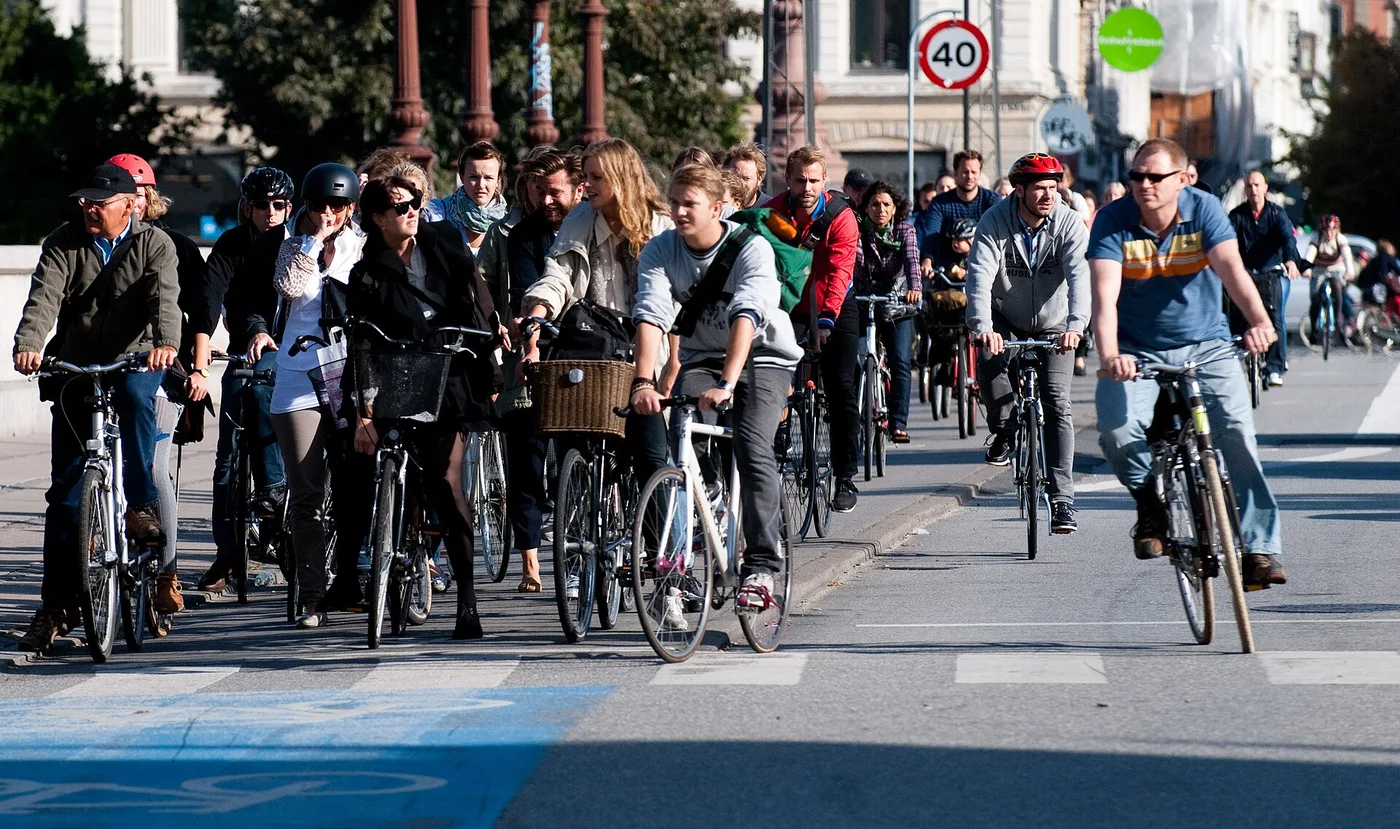
Around 1970 the bicycle's share in Copenhagen had fallen to ten percent. What happened next was not national character but policy, and it began with petrol rationing.
Read the story →
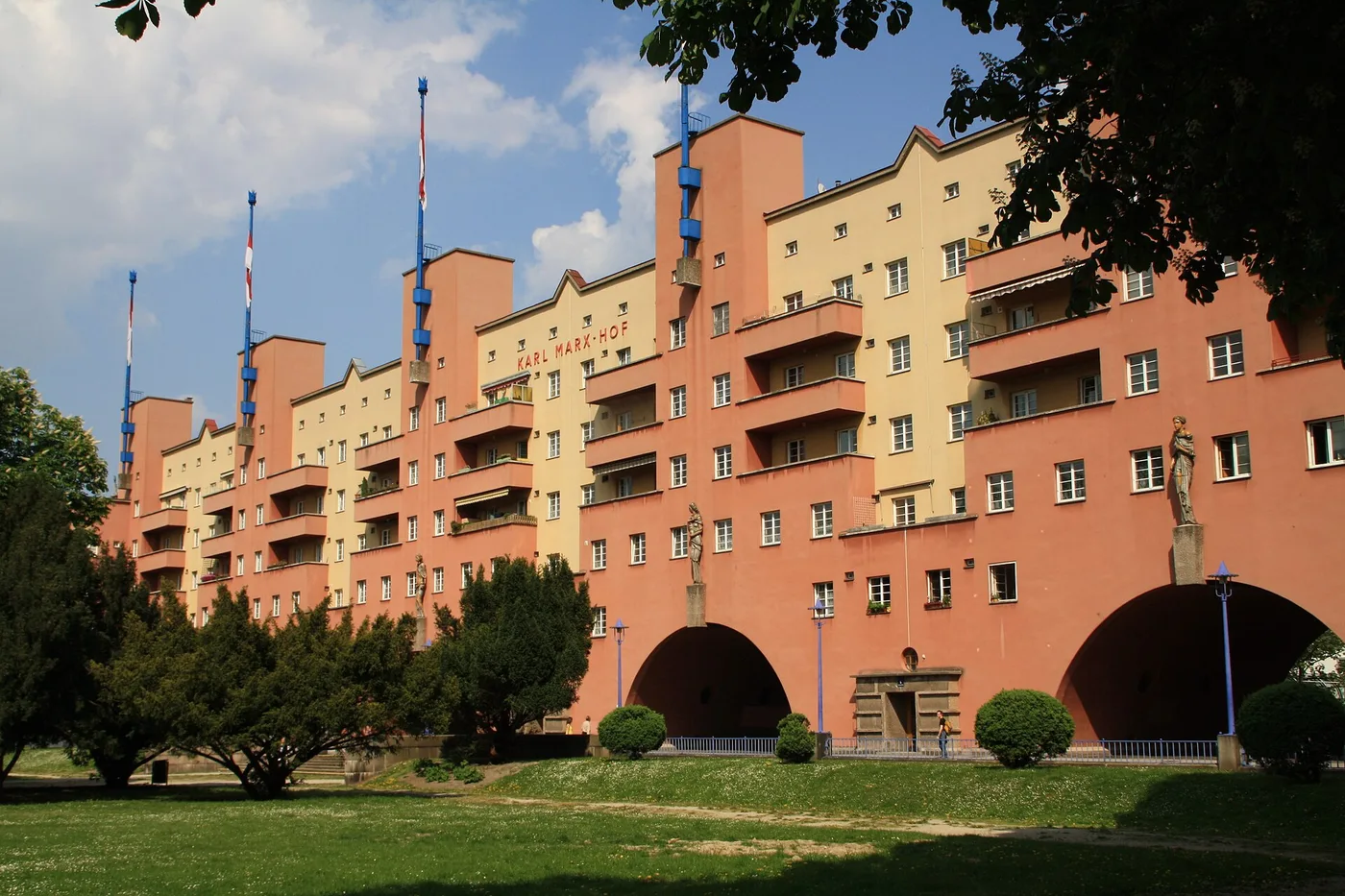
Behind the monumental municipal courtyards lies a fiscal choice. Vienna used tax money to build affordable homes, with a special role for the progressive housing construction tax.
Read the story →
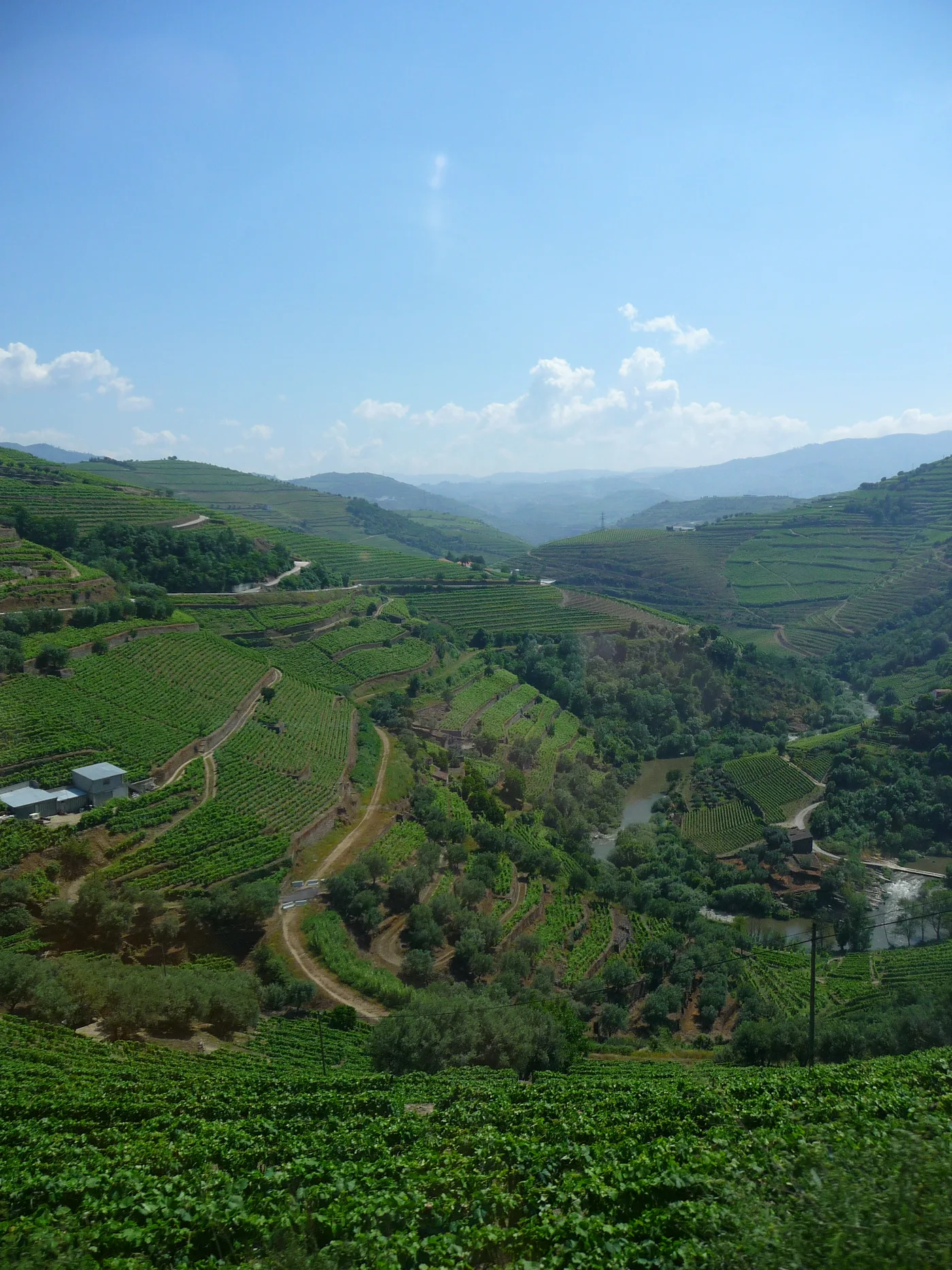
In 1756 the Douro became a regulated wine region. Behind the famous terraces there is also a business story: control of production, origin and trade.
Read the story →
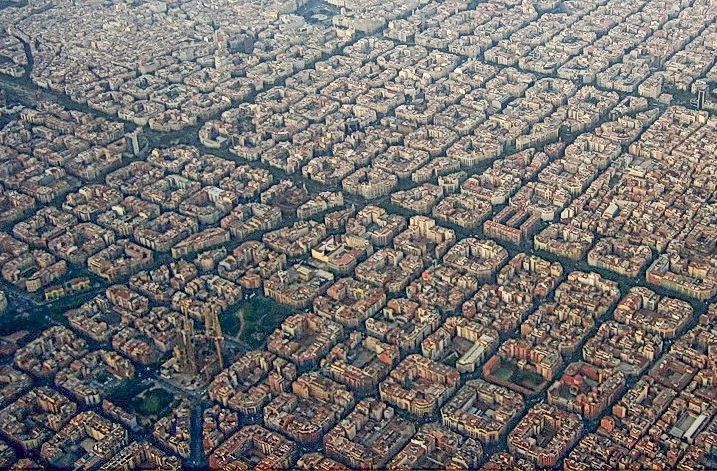
Every block in Barcelona's extension has cut-off corners. That is not decoration but a calculation, made before there were cars.
Read the story →
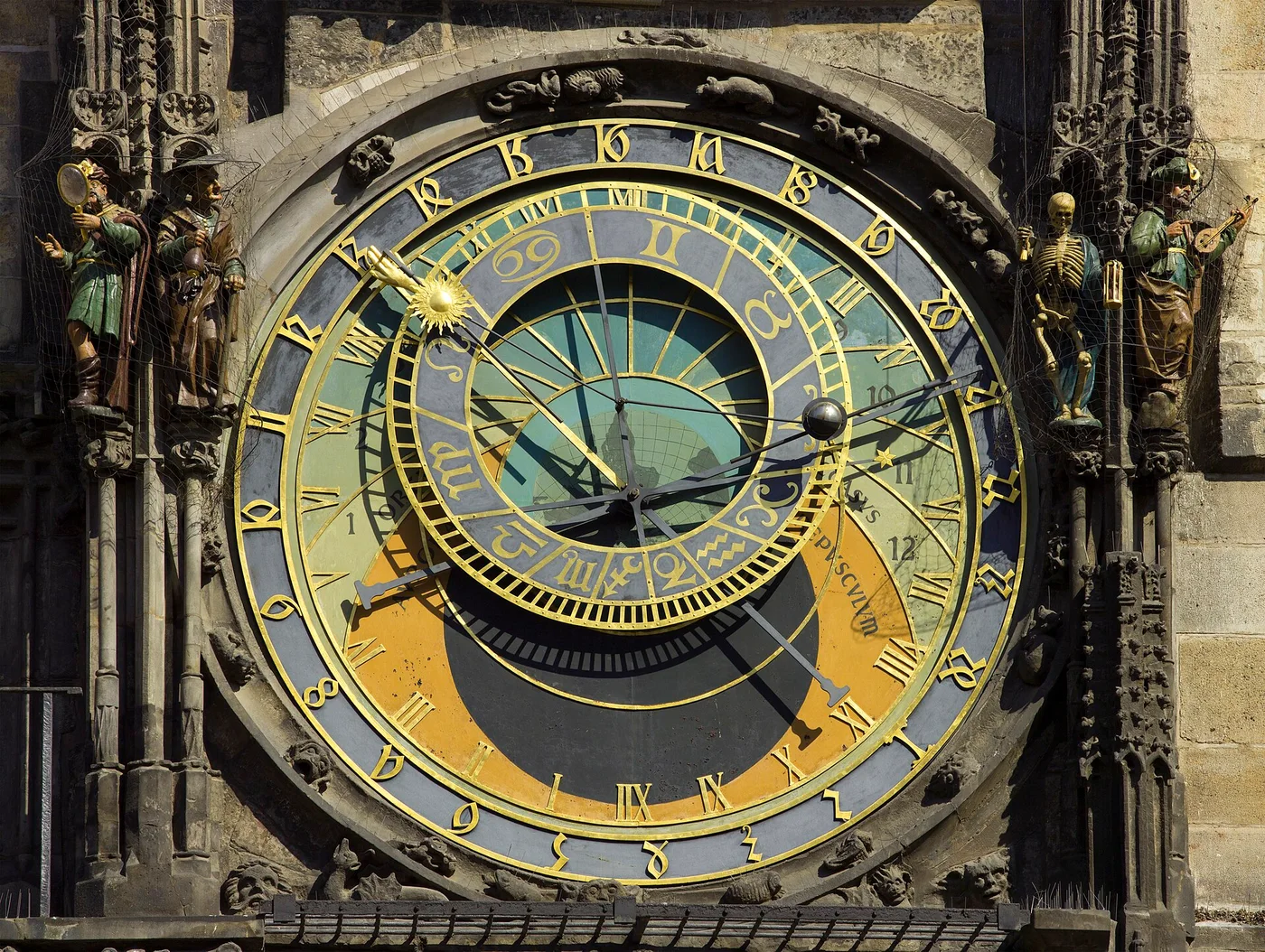
On the Old Town Square hangs a clock that counts time in several ways at once. One of those ways has to shift with the seasons.
Read the story →
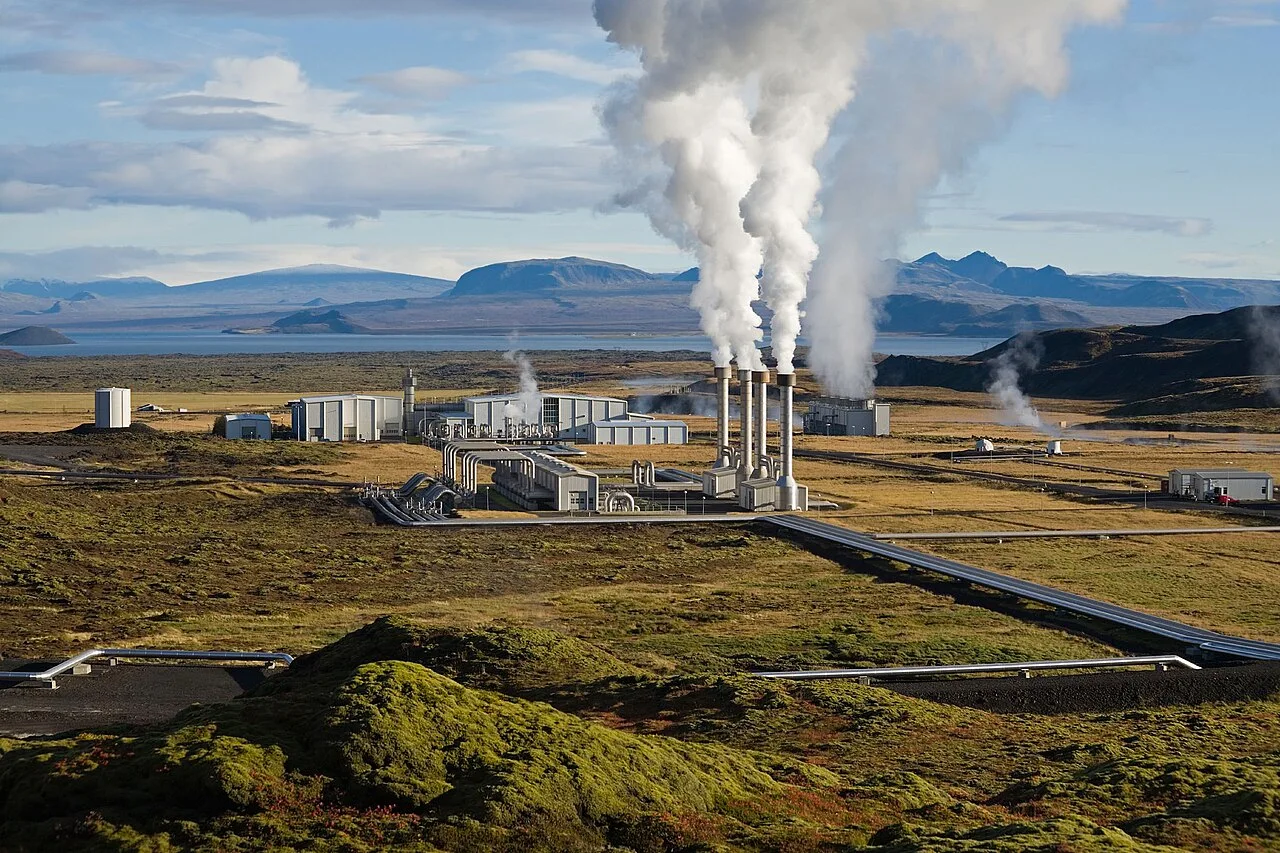
Nine out of ten Icelandic homes are heated with water from the ground. That is not a natural wonder but a decision, taken when oil became too expensive.
Read the story →
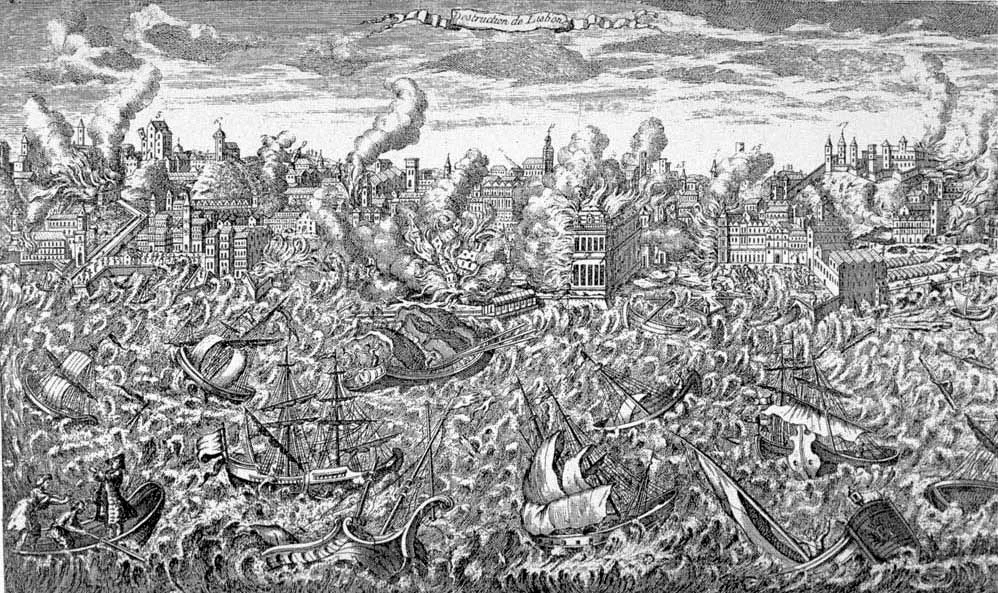
On All Saints' Day a capital collapsed three times over: first the shaking, then the wave, then the fire. What was devised afterwards is still standing.
Read the story →
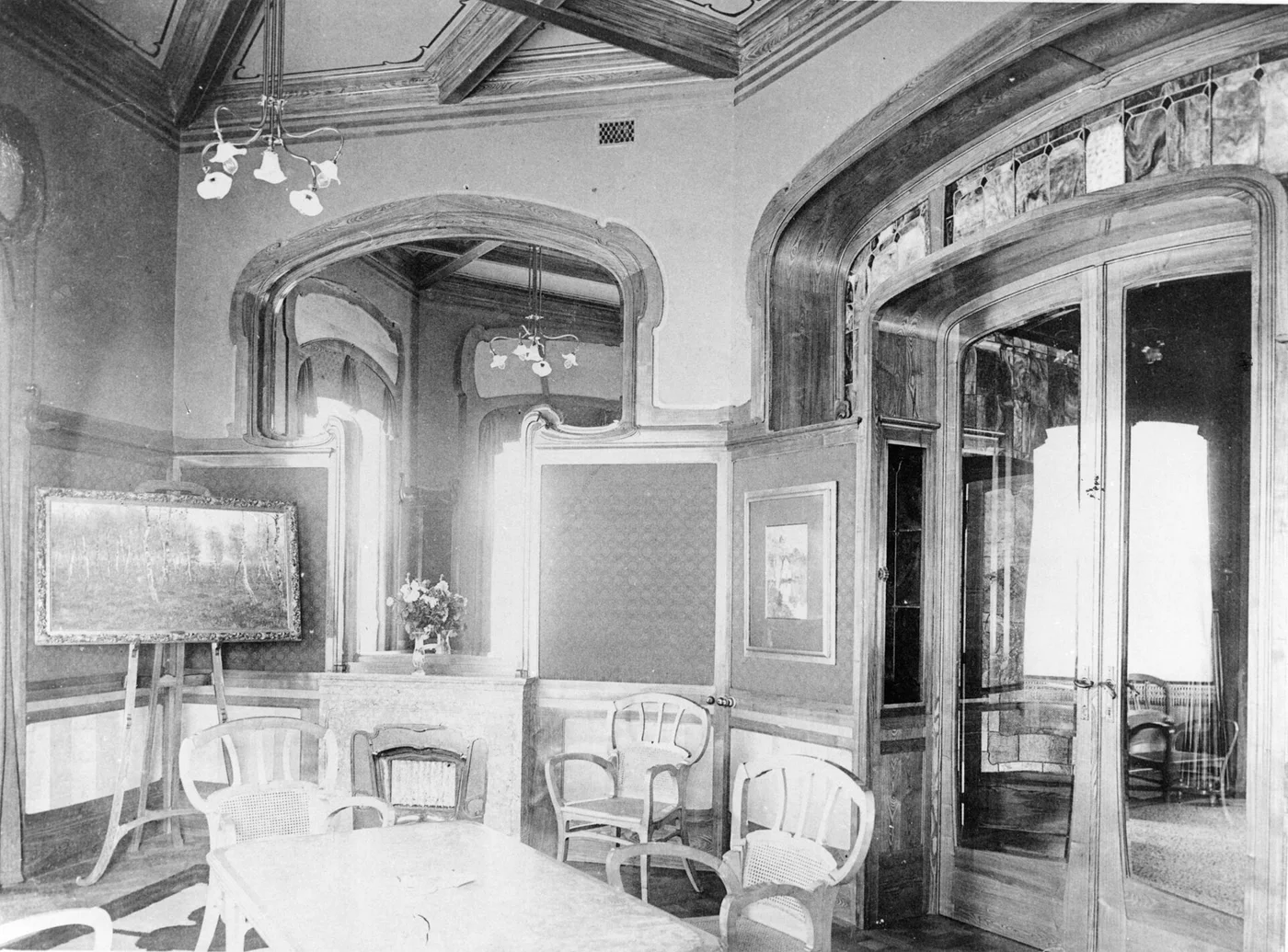
He built houses in which daylight reaches the core and used steel where it did not belong. His most important building was demolished in 1965.
Read the story →
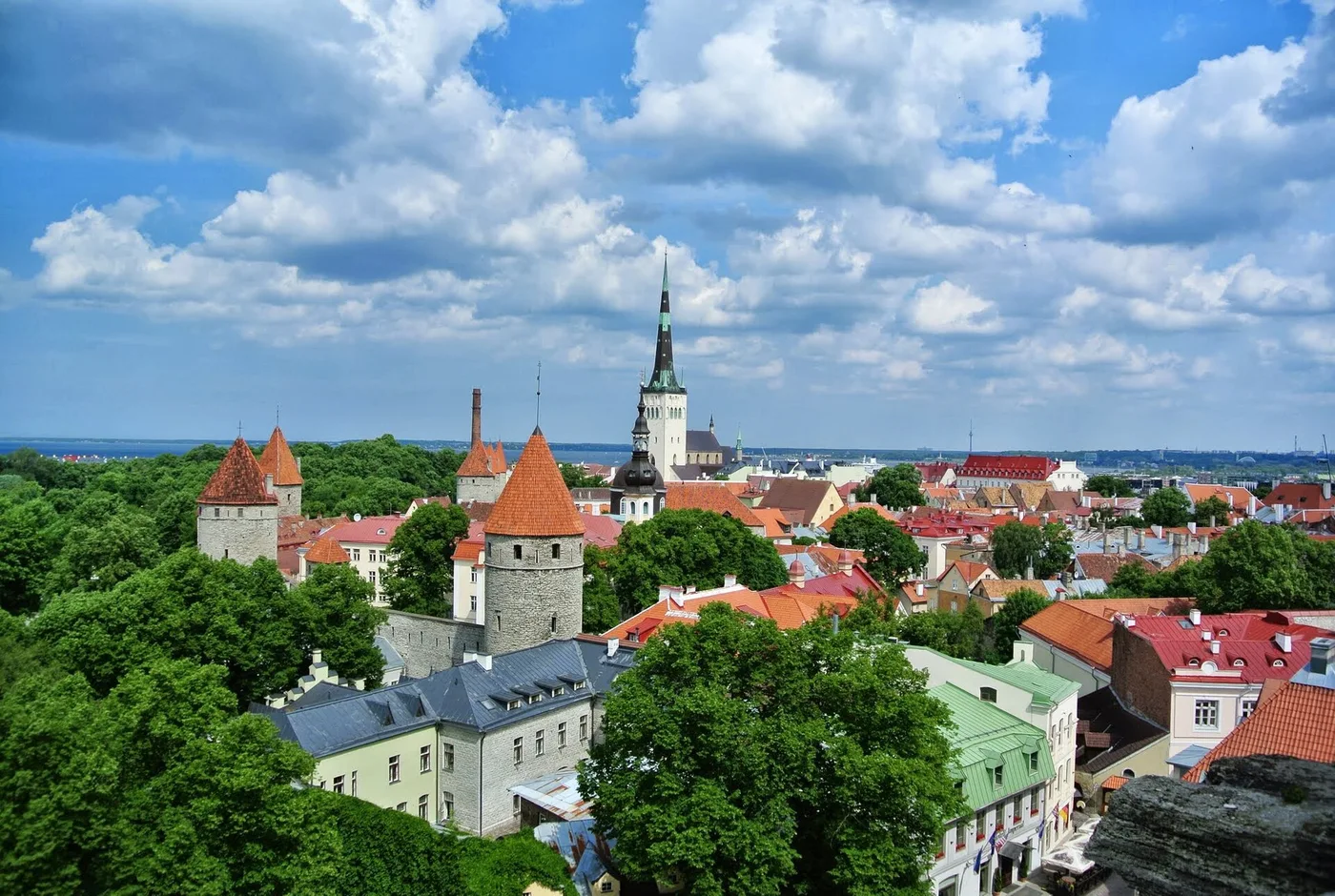
In Tallinn's old town the medieval street pattern is still remarkably easy to recognise. That does not mean every building has come down from the Middle Ages intact.
Read the story →