An autumn journey of truffles and chestnuts: Alba, Istria and Mugello
Three regions show how a season can taste of a place, from a market in Alba to Tuscany’s chestnut flour tradition.
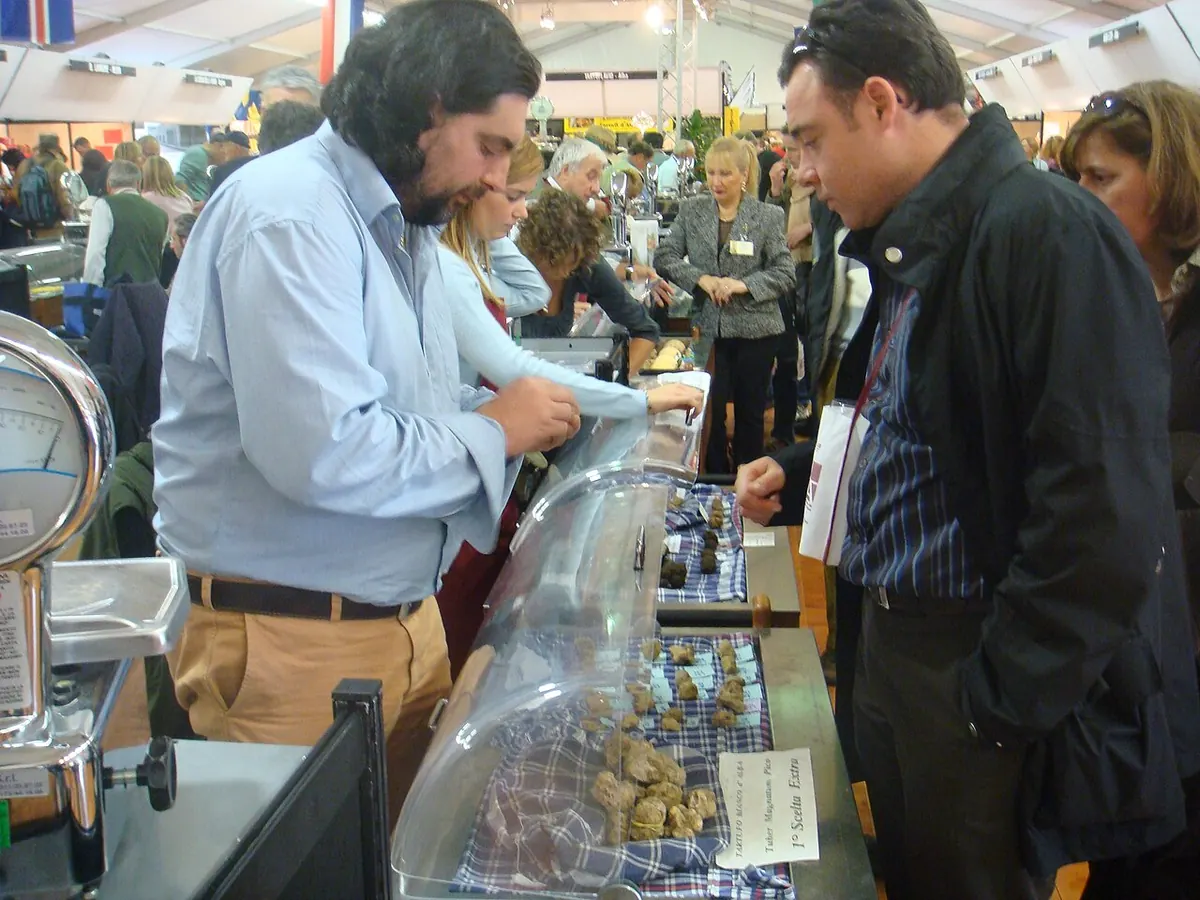
An autumn market means more when you know where its produce comes from. In Alba, the focus is white truffle; in Istria, the land between Pazin, Buje and Buzet; and in Tuscany’s Mugello, chestnuts and marroni. These places have appeared before as seasonal destinations. The reason to revisit them now is a confirmed market visit in Alba, a new truffle museum and the differences between the growing regions. The sources give neither a price per gram nor a forecast for this year’s harvest. They do offer a route through food culture and landscape.
According to its organiser, Alba’s Mercato Mondiale del Tartufo Bianco opens on Saturdays and Sundays from 10 October to 6 December 2026. Market hours are 9.30 am to 7.30 pm, with the entrance at Piazza Falcone by the Cortile della Maddalena. A standard online ticket costs €6 before booking and service fees; children aged up to and including 15 enter free. A market ticket does not include MUDET, Alba’s truffle museum. That distinction matters if you intend to visit the market and museum on the same day.
The organiser’s website describes MUDET as a new addition for 2026. On Saturdays and Sundays between 10 October and 6 December, it lists opening from 10.30 am to 7 pm, with last admission at 6.30 pm. On weekdays it lists 10.30 am to 6 pm, with last admission at 5.30 pm. A museum visit can add context to the valuable ingredient offered at the market. These are museum hours, not a replacement for the market schedule. During this period, the market remains a weekend activity.
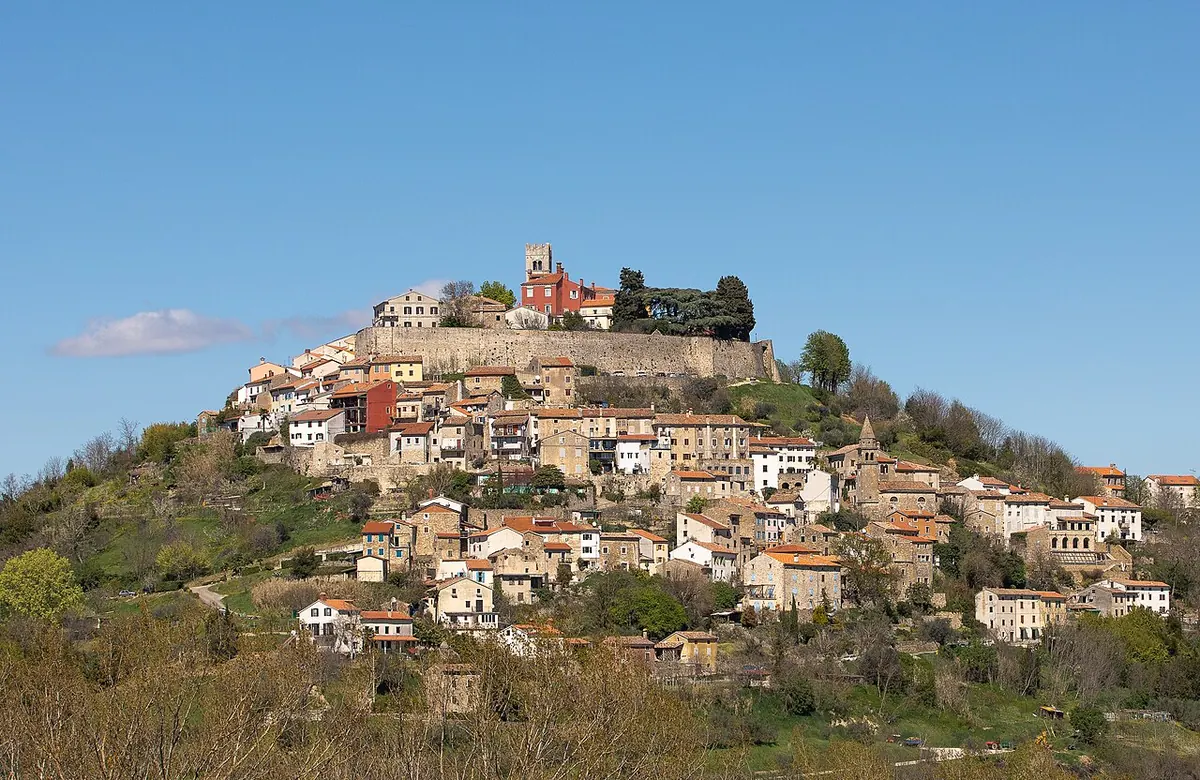
Istria’s truffle region has a different shape. The regional tourism office places white and black truffles between Pazin, Buje and Buzet, particularly in the Mirna valley and the Motovun forest. Trained dogs help find the underground fruiting bodies. The office identifies October as the peak time for white truffles. They appear with local pasta such as fuži and pljukanci, but a restaurant dish does not guarantee the origin of every ingredient. Anyone travelling for the food should choose a restaurant and date from its current menu.
The tourism office also lists Istrian events, including Tuber Food Fest in Livade on 24 and 25 October. Those dates come from the regional overview and have not been confirmed directly with the organiser. Treat the event as a possible reason to look further, rather than a fixed stop on an itinerary. The area itself remains open to visitors outside festival days: villages, valleys and local cooking tell the story without a market ticket.
In Tuscany, the marrone del Mugello is a chestnut with protected geographical status. Mugello’s tourism office describes its chestnut groves, its processing into flour and the Strada del Marrone del Mugello di Marradi. The product thus leads directly from woodland to the table. The same office announces two more Sundays for the Mostra Mercato del Marron Buono di Marradi: 18 and 25 October 2026. Its page also mentions earlier dates and a Saturday programme, and the two remaining Sundays provide the clearest dates for a visit. Alba offers a confirmed market window into December; Marradi provides a specific chestnut weekend. For travel on the day itself, read the latest local programme before setting out.