Europe · Time & society
Why Europe still changes its clocks
On Sunday 25 October 2026, the clocks in the Netherlands go back from three o’clock at night to two. But hadn’t that twice-yearly ritual already been abolished?
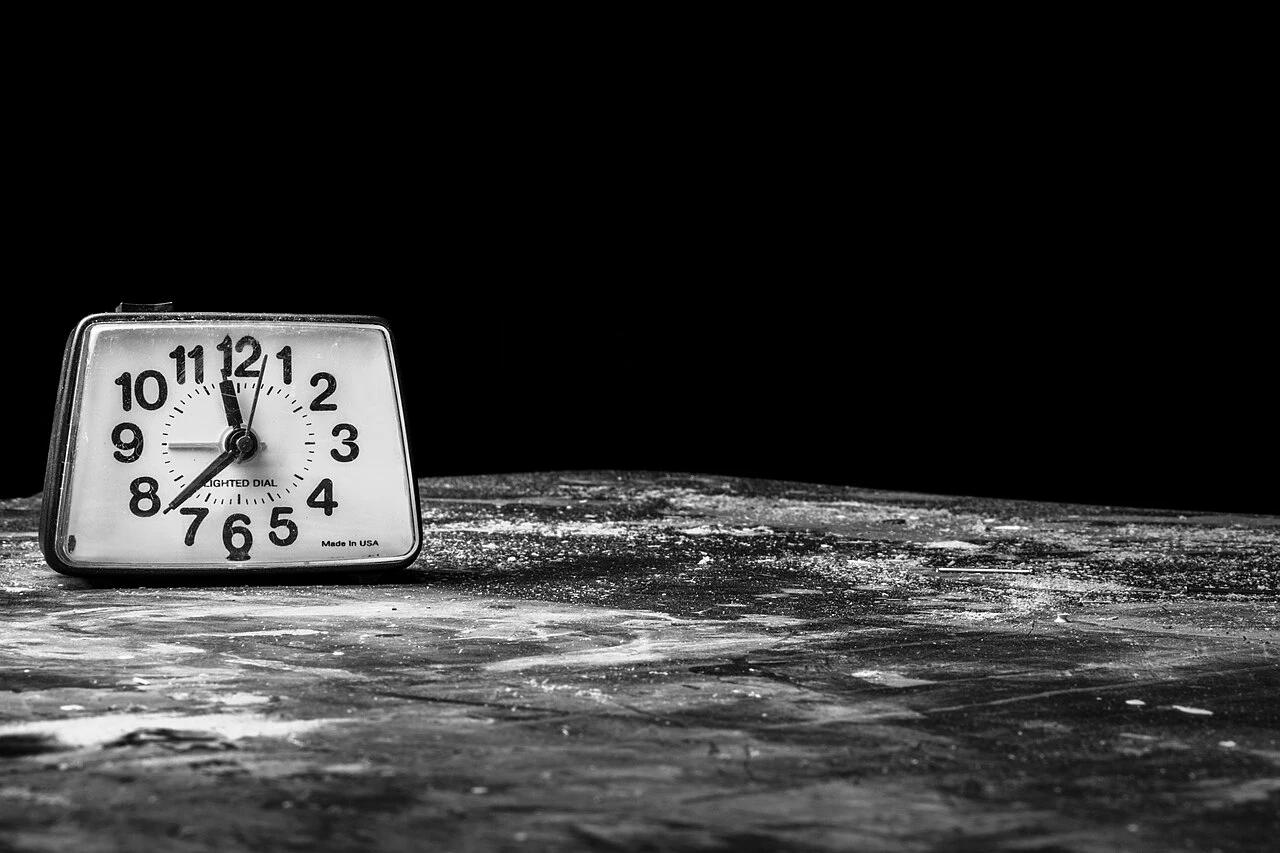
The short answer is: there was a proposal. That is something different from a final decision. In September 2018, the European Commission proposed ending the practice of changing the clocks twice a year. The European Parliament set out its position in March 2019 and wanted to be rid of it in 2021. That year has come and gone; the clocks keep moving.
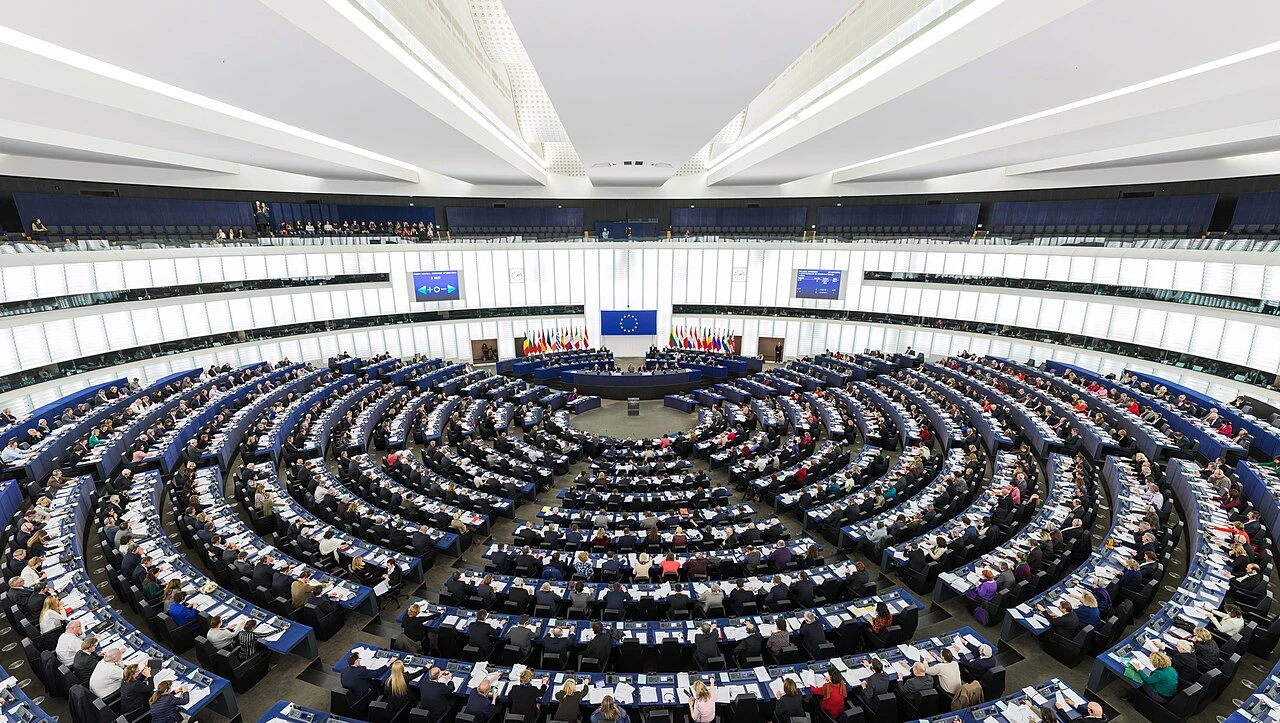
According to the Council of the European Union, no final decision has been taken and there is no fixed timeline. To change the rules, both the Parliament and the Council must agree. The position of one institution alone is therefore not enough. The Council describes this state of affairs on its information page, which has not been updated since 20 August 2026.
An arrangement with the neighbours
The joint arrangement has a practical purpose. Differing national changeover dates make cross-border traffic and other activities more complicated. European agreements have coordinated existing practice since 1980, the Council writes. That does not mean all EU countries are in the same time zone: it is about coordinating the seasonal change.
The Netherlands introduced summer time in 1977 to align with its neighbours. The Dutch government (Rijksoverheid) also makes a useful distinction in terms. What we call winter time is Dutch standard time: Central European Time. Summer time is the shift in which the clock goes forward one hour.
Shifting an hour does not create daylight
Changing the clock changes when we meet light and dark on the clock face. With summer time, it gets light later in the morning and dark later in the evening according to the clock. The sun does not gain an extra hour; our way of telling the time shifts.
For the coming changeover, the Dutch government names a specific date and time: 25 October 2026, at 3 a.m. As long as no new European arrangement is in place, the familiar arrangement continues to apply. The distinction between a proposal and a decision explains why you may have recognised the debate for years and yet still have to change the clocks again.