Italy · Towns & regions
In Trieste, coffee begins at the harbour
Trieste’s coffee houses have a Viennese heritage. The harbour next to them explains why an Italian city became so closely tied to Central Europe.
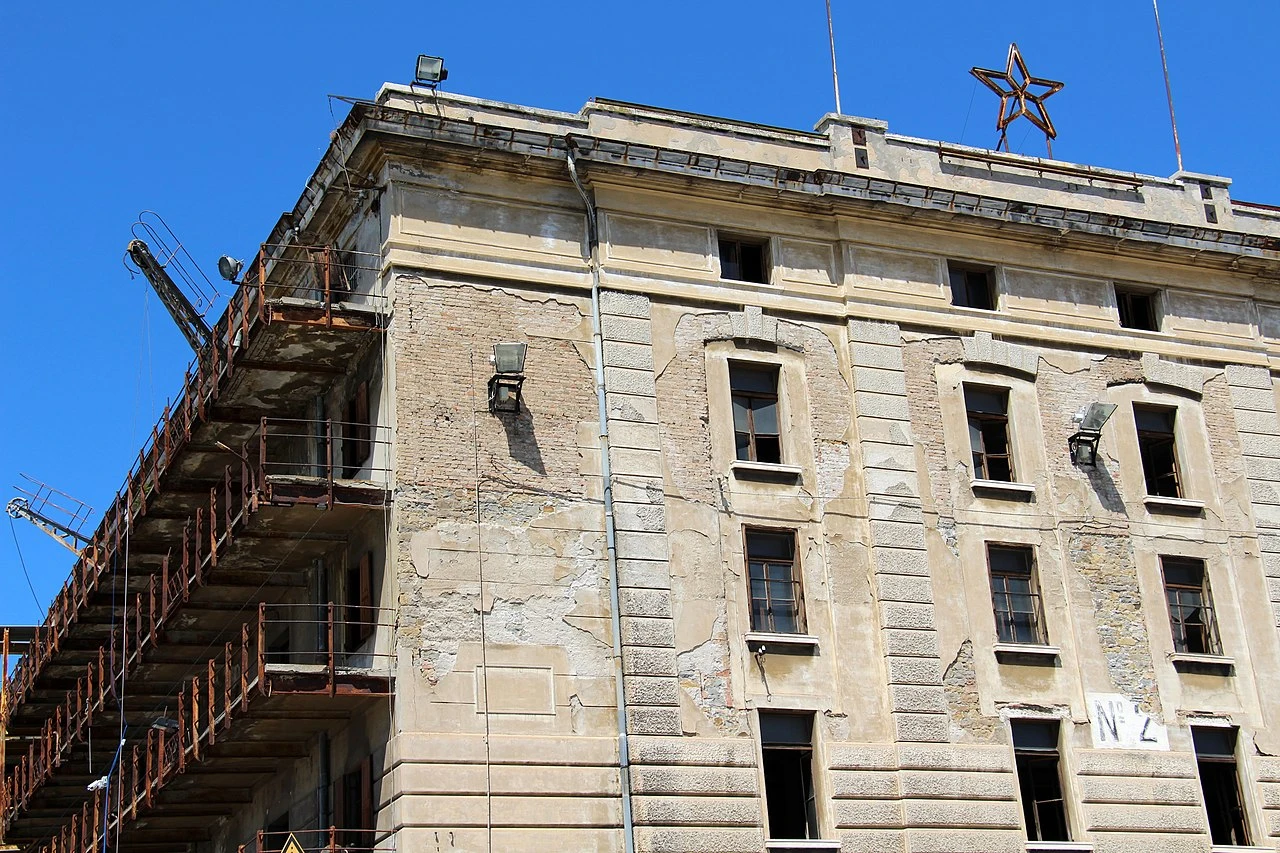
Anyone who sees coffee merely as a drink misses part of the story in Trieste. Here the cup is also bound up with trade, transport and meeting places. This city on the Adriatic developed as a port of the Habsburg Empire. In 1719, Trieste was granted free-port status. In 1857, the railway connection with Vienna was completed.
The history of the port shows how important the link between the sea and the hinterland was. Goods not only had to come ashore but also had to be stored and transported onwards. The development of the port area and its warehouses belongs to that larger network. A quay only becomes a link in trade when there is a route leading further inland.
A Viennese coffee house on the Adriatic
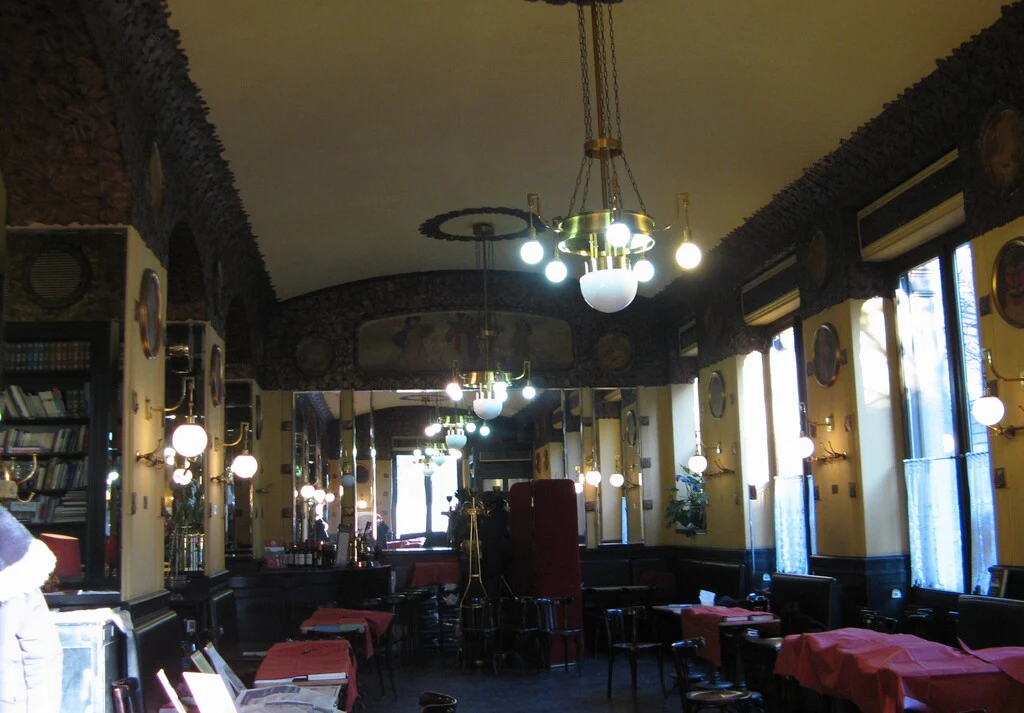
According to the regional tourism organisation PromoTurismoFVG, coffee houses opened in Trieste in the second half of the eighteenth century. Their furnishings and service took on a recognisably Viennese character. The Habsburg connection can therefore also be understood on the scale of an interior.
The organisation names Tommaseo, Caffè degli Specchi and Antico Caffè San Marco, among others, as historic coffee houses. These are places it associates with the city’s cultural and literary history. In this way, harbour and coffee house complement each other: one makes the trade link visible, the other the urban habits that became attached to it.
Even ordering has a local accent
The words are particular to the city too. In the local coffee vocabulary, an espresso is called a ‘nero’. A ‘capo’ is a coffee with milk, like a macchiato elsewhere in Italy; a ‘capo in b’ comes in a glass. PromoTurismoFVG explains these terms for visitors who might otherwise be in for a surprise at the counter.
That small difference in language suits a city whose history crosses borders. Trieste shows how an internationally traded product can become something very local. The beans travel; the way a city talks about them remains recognisably its own.