Cash or card on a European trip? Payment habits vary
The European Central Bank found large differences between euro area countries in 2024. For travellers, the distinction between euro payments and currency conversion charges matters most.
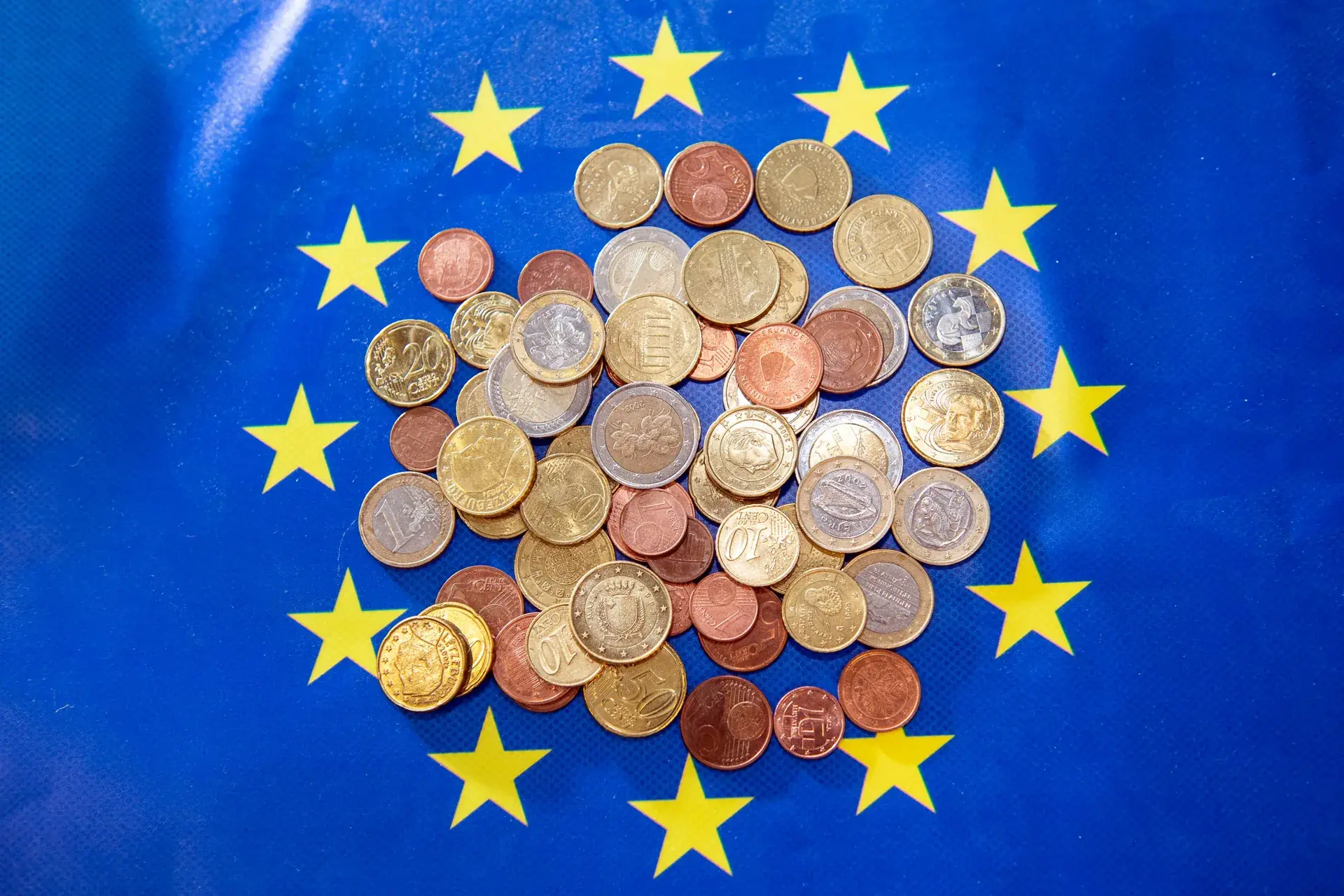
A cup of coffee, a museum ticket, a hotel room: another European city may have different habits at the till. The European Central Bank studied how euro area consumers paid at physical points of sale in 2024. Cash accounted for 52% of the number of payments and cards for 39%. Large differences between countries lie behind these averages. The figures describe behaviour in 2024 and say little about the payment options at any one café or museum. For a trip, a usable card and some suitable cash are the more relevant combination.
In the ECB study, 22% of payments at physical locations in the Netherlands were made in cash, compared with 67% in Malta. The figure for Finland was 27%. These percentages count transactions rather than the value spent. In the same survey, cards were the most frequently used method for purchases above €50 across the euro area. Small everyday purchases and larger amounts do not always follow the same pattern. The national figure helps with preparation, while each shop or facility determines the options at its own till.
The currency also matters. The EU information portal Your Europe explains that a bank may not charge more for a cross-border euro payment within the EU than for an equivalent domestic payment. The rule covers card transactions and euro cash withdrawals, among other payments. If a bank already charges for the equivalent domestic transaction, that fee remains relevant in the comparison. The card issuer’s terms therefore give a more concrete picture of possible costs than the general rule alone. Transactions in another currency may also involve separate conversion charges.
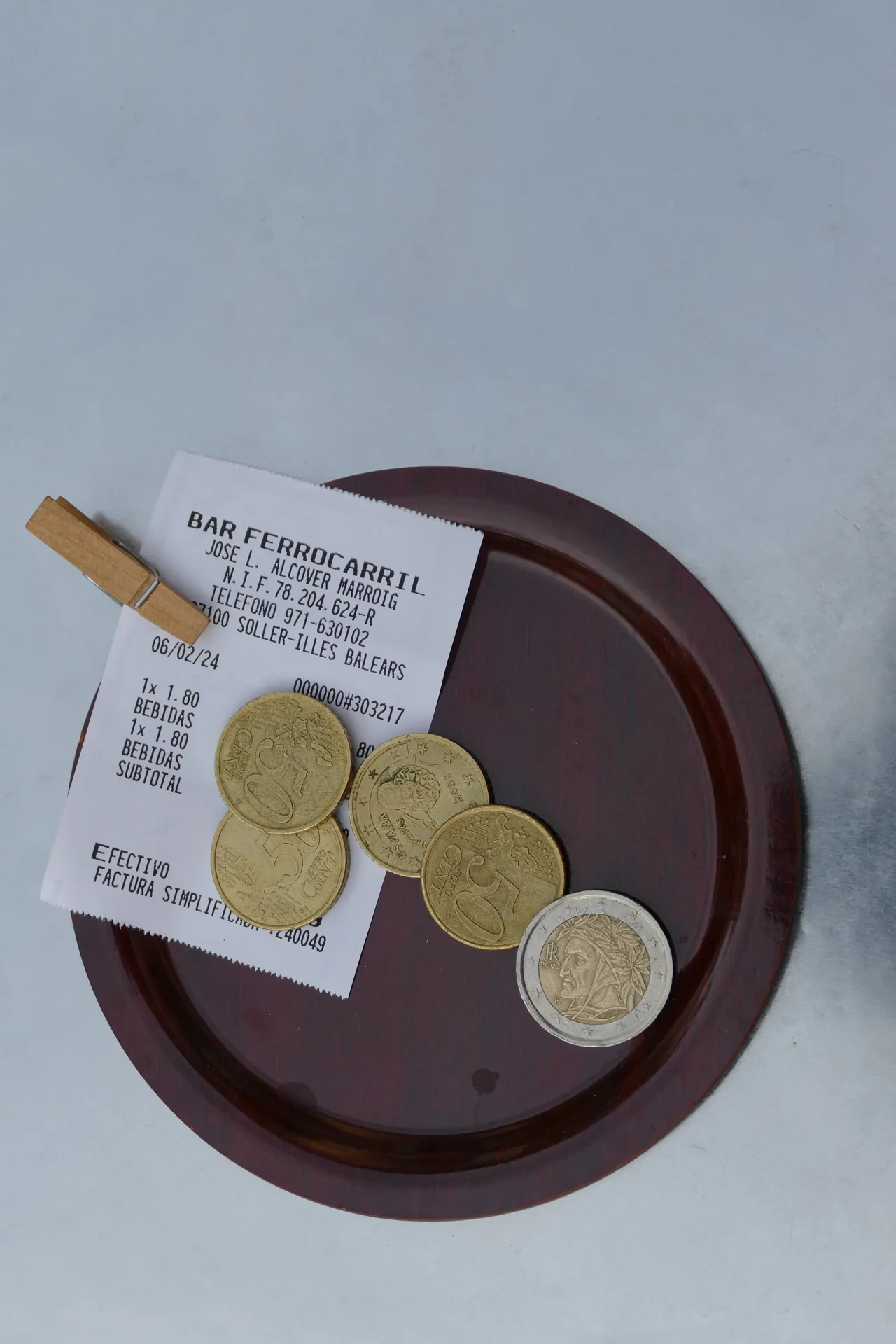
A separate rule applies at the till. According to Your Europe, traders and banks in the EU generally may not charge an extra amount merely because a consumer pays with a standard debit or credit card. The portal lists exceptions, including cards from some three-party schemes such as American Express and Diners Club, and corporate cards. A currency conversion charge is different from a card surcharge. In EU countries that use a currency other than the euro, a card provider may charge for conversion; those charges must be disclosed before you agree to the purchase. The displayed currency and the accompanying conversion information therefore matter alongside the price tag.
At a payment terminal or ATM outside the euro area, you may be offered a choice between paying in the local currency and in your home currency. Your Europe warns that the latter option is often more expensive because of extra conversion charges; the provider must show those charges. A traveller’s own bank or card issuer may also charge a fee. The two displayed amounts and the card terms provide the relevant comparison. An ATM operator may show a separate fee for a cash withdrawal. The final cost can therefore have more than one component; the screen and the card terms complement each other.
A practical combination of payment methods depends on the destination and the type of spending. A card that works locally and a modest amount of suitable cash allow for different habits from place to place. Outside the euro area, the currency selected at a terminal and the card's terms for conversion or withdrawals matter most. The ECB figures provide background on payment behaviour, while Your Europe explains the rules on charges and card payments. An individual shop, transport operator or attraction states its accepted payment methods in its own information or at the till. This keeps national figures separate from the transaction that actually takes place.
Sources and image credits
- https://www.ecb.europa.eu/stats/ecb_surveys/space/html/ecb.space2024~19d46f0f17.en.html
- https://europa.eu/youreurope/citizens/consumers/financial-products-and-services/payments-transfers-cheques/
- https://europa.eu/youreurope/citizens/consumers/financial-products-and-services/payments-transfers-cheques/faq/index_en.htm
- https://europa.eu/youreurope/citizens/consumers/shopping/pricing-payments/index_en.htm
Image credits 1
Photo: Lukasz Kobus / Europese Commissie / Wikimedia Commons · CC BY 4.0 · Image source

Image credits 2
Photo: Kritzolina / Wikimedia Commons · CC BY-SA 4.0 · Image source

Euro Magazine · 26 October 2026
Facts and sources
A cup of coffee, a museum ticket, a hotel room: another European city may have different habits at the till. The European Central Bank studi…
In the ECB study, 22% of payments at physical locations in the Netherlands were made in cash, compared with 67% in Malta. The figure for Fin…
The currency also matters. The EU information portal Your Europe explains that a bank may not charge more for a cross-border euro payment wi… · faq/index_en.htm
A separate rule applies at the till. According to Your Europe, traders and banks in the EU generally may not charge an extra amount merely b…
At a payment terminal or ATM outside the euro area, you may be offered a choice between paying in the local currency and in your home curren…
A practical combination of payment methods depends on the destination and the type of spending. A card that works locally and a modest amoun…