Sleeping in a historic building: three hotels, three kinds of heritage
Amsterdam canal houses, a Victorian railway hotel and a former convent on the Amalfi Coast each offer a different kind of stay in a heritage building.
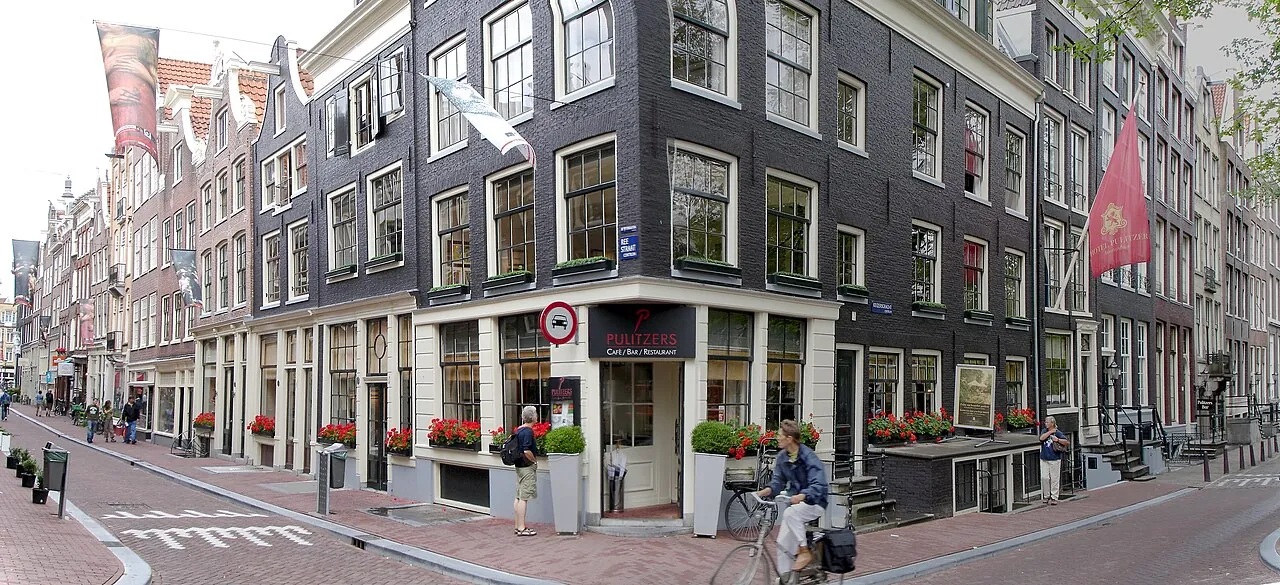
A stay in a historic hotel often begins with an impression of the building: a staircase, facade or passageway that seems older than the rooms. In Amsterdam, London and Amalfi, three hotels tell different stories of reuse. Pulitzer Amsterdam links canal houses into one address. St. Pancras London combines the former Midland Grand Hotel with a contemporary wing. Anantara Convento di Amalfi occupies a complex that has served over the centuries as a monastery, institute and hotel. Original functions shape these places, while later changes give them their present form. History may therefore be in the room, or chiefly in corridors and shared spaces.
According to its own history, Pulitzer Amsterdam comprises 25 restored canal houses on Prinsengracht and Keizersgracht. The buildings date from the seventeenth and eighteenth centuries. Peter Pulitzer first bought twelve houses in 1970; the collection later grew into the present ensemble. The hotel history also records the renovation of 2015 and 2016. Moving through the building thus means passing between former homes that were connected only later. That arrangement explains the variety of rooms, staircases and views better than a uniform hotel floor plan would. The heritage here lies precisely in the series of separate houses beside Amsterdam’s canals.
Pulitzer’s FAQ lists 223 rooms and suites in those 25 houses. Available views differ by room: canal, garden or courtyard. A photograph of the facade therefore says little about the exact view from a booked room. The historic buildings offer a recognisable setting, but the position within the ensemble remains a feature of the room category. For a stay beside the water, that description matters more than the general hotel name. The same applies to a preference for a quiet courtyard garden. Pulitzer’s combination of old fabric and a modern hotel function shows how urban heritage continues to change through daily use.
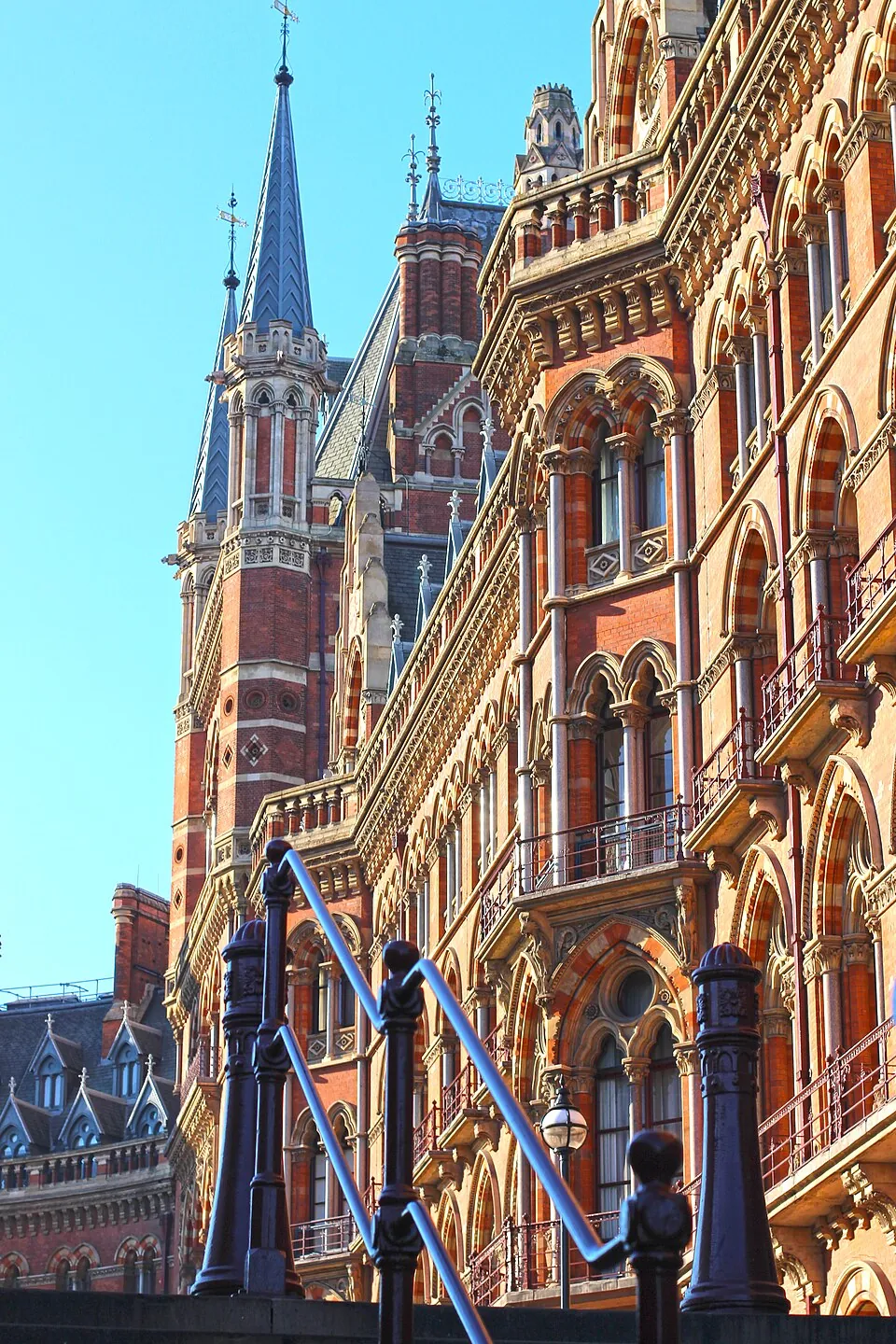
St. Pancras London tells a railway story. The hotel website describes how George Gilbert Scott designed the Midland Grand Hotel beside the station. The east wing opened in 1873; the rest was completed in 1876. The brick facade and Gothic Revival details belong to this Victorian phase. Today the room page distinguishes two wings: the Chambers Wing is in the original building, while the Barlow Wing is contemporary. One hotel name can thus cover two quite different spatial experiences. The old wing foregrounds the railway hotel’s history, while the new wing has a more modern hotel layout.
On the Amalfi Coast, the history of Anantara Convento di Amalfi is older and more layered. According to the hotel’s timeline, a church already stood in a cave in the eleventh century. Cardinal Pietro Capuano had a monastery built beside it in 1212. Cistercians received the site in 1214; from 1583, Capuchins took over and rebuilt the complex. Other uses followed in the nineteenth century, including a nautical institute. The current hotel setting bears traces of these periods. A cloister or chapel recalls religious use, while later facilities support today’s stay. The history is a sequence of adaptations.
The three hotels show how differently a night in an old building can feel. Pulitzer is a network of canal houses; St. Pancras distinguishes a nineteenth-century wing from a modern one; Anantara is a complex with religious and civic building phases. “Historic” therefore describes a different part of the experience at each hotel. Room category, position and view determine where a guest is placed within that history. The hotels’ own descriptions offer concrete points of reference: the number of Amsterdam houses, the London wings and the succession of uses in Amalfi. Heritage becomes visible as a building repeatedly given a new purpose.
Sources and image credits
- https://www.pulitzeramsterdam.com/en/about/history/
- https://www.pulitzeramsterdam.com/en/faq/
- https://www.marriott.com/en-gb/hotels/lonpk-st-pancras-london-autograph-collection/rooms/
- https://www.anantara.com/en/convento-di-amalfi/history
- https://www.anantara.com/en/convento-di-amalfi
Image credits 1
Photo: Jimg944 / Wikimedia Commons · CC BY 2.0 · Image source

Image credits 2
Photo: JSilv99 / Wikimedia Commons · CC BY-SA 4.0 · Image source

Euro Magazine · 26 October 2026
Facts and sources
A stay in a historic hotel often begins with an impression of the building: a staircase, facade or passageway that seems older than the room…
According to its own history, Pulitzer Amsterdam comprises 25 restored canal houses on Prinsengracht and Keizersgracht. The buildings date f…
Pulitzer’s FAQ lists 223 rooms and suites in those 25 houses. Available views differ by room: canal, garden or courtyard. A photograph of th…
St. Pancras London tells a railway story. The hotel website describes how George Gilbert Scott designed the Midland Grand Hotel beside the s…
On the Amalfi Coast, the history of Anantara Convento di Amalfi is older and more layered. According to the hotel’s timeline, a church alrea…
The three hotels show how differently a night in an old building can feel. Pulitzer is a network of canal houses; St. Pancras distinguishes…