City breaks and visitor taxes: Venice, Amsterdam and Barcelona compared
An access charge, a percentage of the room rate and a per-person fee work in different ways. Here is what the official rules say in autumn 2026.
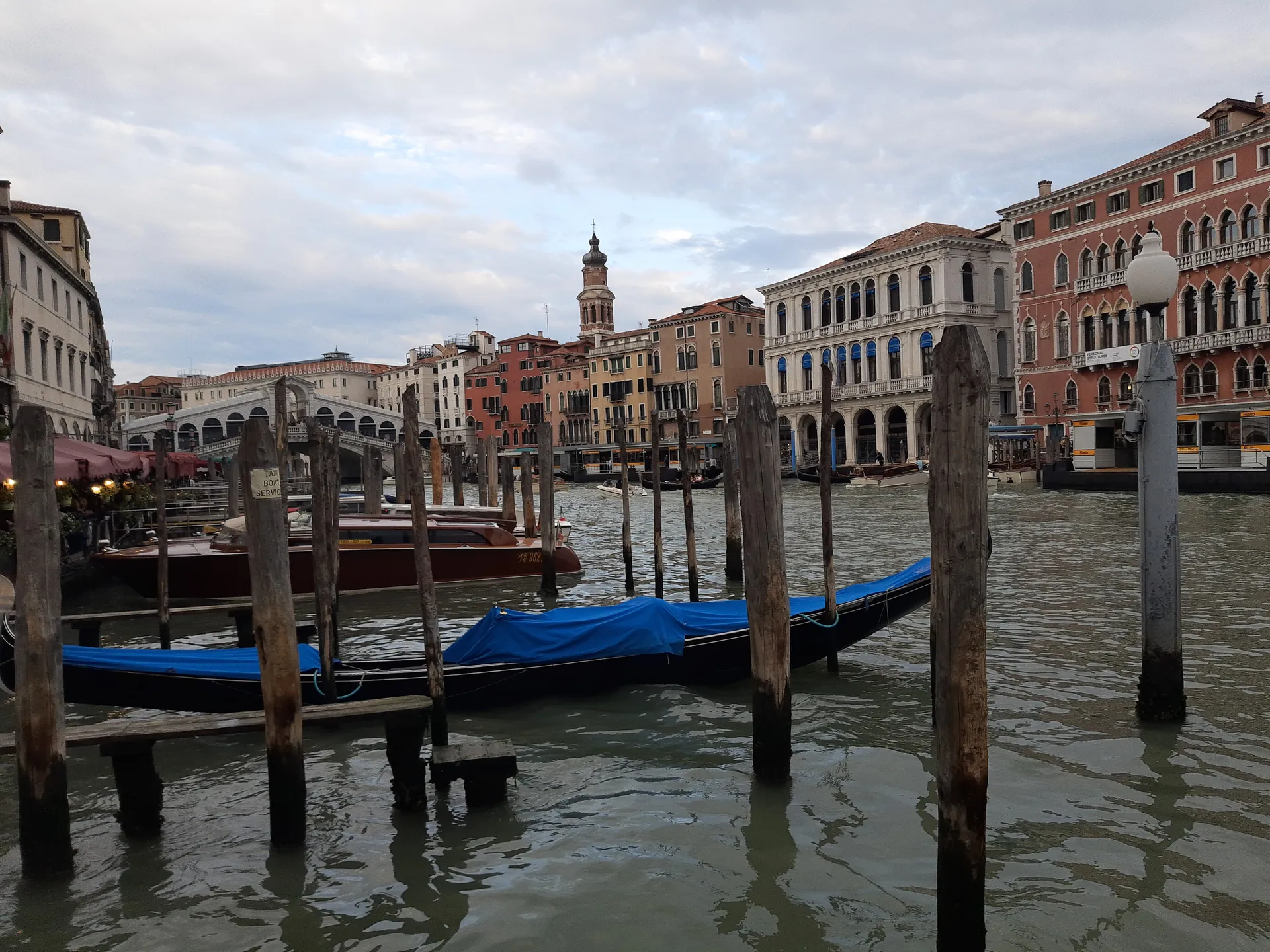
The phrase “tourist tax” covers several different charges. Venice used an access fee for certain day visits in 2026. Amsterdam taxes accommodation and a specific group of cruise passengers. Barcelona combines a Catalan tax on stays with a city surcharge. The charges therefore have different bases: access on designated days, a percentage of the room price, an amount per cruise passenger, or an amount per person and day of stay. A comparison becomes useful only when the type and date of the visit are included.
For Venice, the date is the essential detail. Its official access-fee website says the 2026 trial has ended. From 27 July 2026 the access fee no longer applies, and visitors can enter the city without paying it or applying for an exemption from it. The website still displays the trial prices of five or ten euros, depending on when a booking was made. Those figures applied on designated days before the trial ended, not to an autumn 2026 visit. The municipality’s governing bodies must decide whether the scheme will return in later years. An autumn 2026 day visit thus falls under different rules from a visit during the earlier trial.
Amsterdam uses another basis. The municipality lists a 2026 tourist tax of 12.5 percent of the overnight price excluding VAT. According to the city’s explanation, the accommodation provider charges guests and then remits the tax. Hotels, hostels, guesthouses, apartments, bed and breakfasts and campsites are among the types of accommodation covered. Because the charge is a percentage, two stays need not produce the same tax amount. An overnight price of €160 excluding VAT would, for example, yield €20 at 12.5 percent. The actual amount follows from the price used as the taxable basis in the booking. The Amsterdam charge is therefore a percentage, rather than a fixed sum paid by every visitor per night.
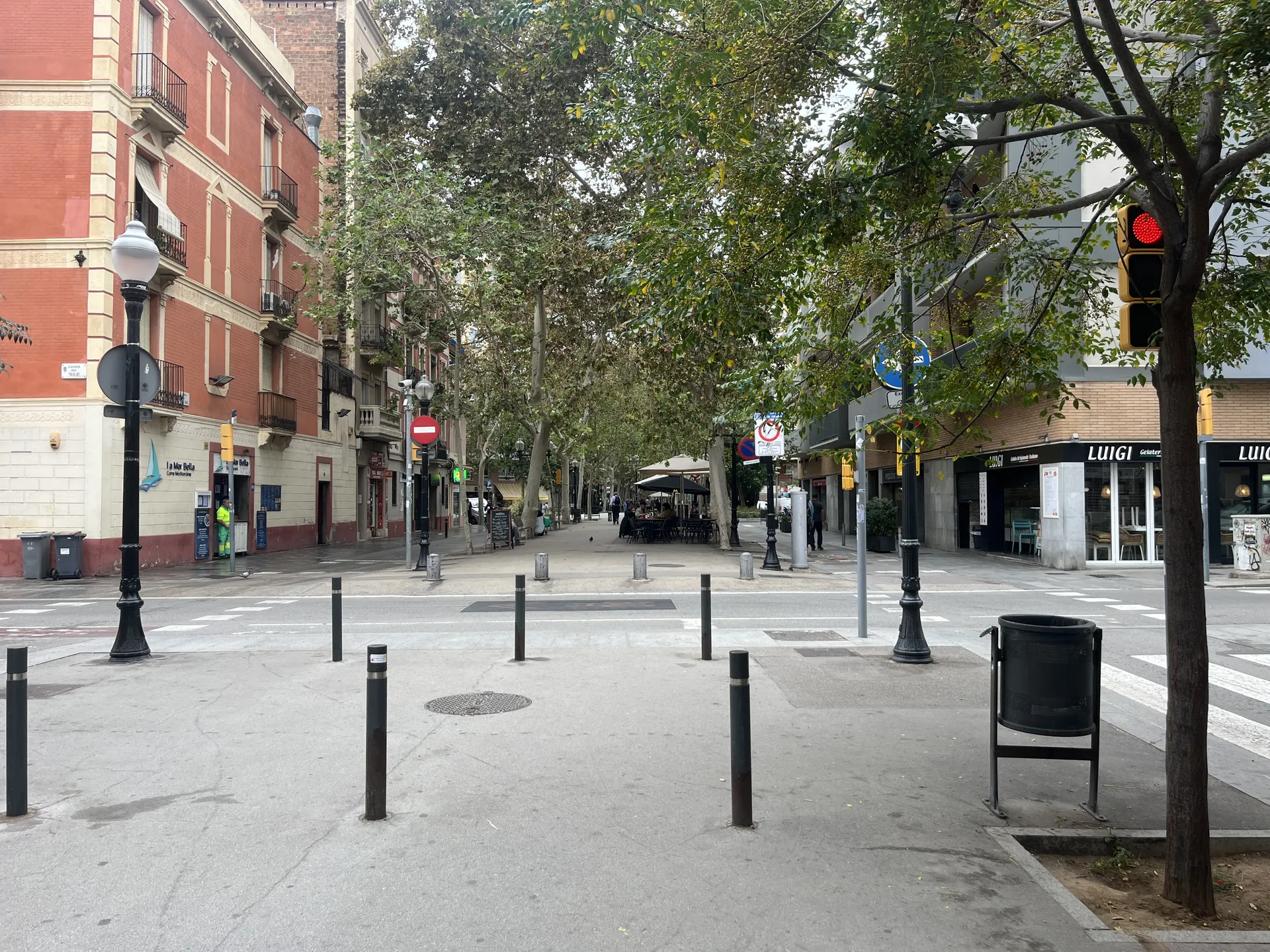
Amsterdam also lists a day tourist tax of €15 per passenger for cruise operators offering a stopover within the municipality. The city says the cruise operator pays this charge. This charge has a narrow scope: a cruise stopover with a day visit. An ordinary rail passenger or someone visiting a museum without arriving by cruise does not fall into this category. The distinction between accommodation and cruise passengers matters more than the short label “day tourist tax”. The charge shown on a bill may therefore differ according to how a person visits the city.
Barcelona’s bill has two components. For the city, the Catalan Tax Agency publishes a general charge per person and day of stay, or part of a day, plus a €5 municipal surcharge from 1 April 2026. Through 31 March 2027 the combined amount depends on accommodation type: €12 for a five-star hotel, €8.40 for a four-star hotel, €9.50 for a tourist dwelling and €6 for a youth hostel. Cruise calls have their own categories. The agency also specifies a rule for advance accommodation bookings: a rate valid when booking can apply when the accommodation price, tax and city surcharge are all paid at that time. The accommodation category and payment date therefore affect the final amount.
For a city break, the three examples point to different details in a reservation. For an autumn day in Venice, the access fee from the completed trial no longer applies. For accommodation in Amsterdam, the price excluding VAT determines the tax, while the separate cruise charge is paid through the operator. In Barcelona, the category, the number of taxable days of stay and any earlier reservation paid in full matter. Official municipal and tax pages describe the rules; the accommodation provider or cruise operator shows how the applicable charge is handled on the specific booking. This keeps the different types of visit and amounts distinct.
Sources and image credits
- https://cda.veneziaunica.it/en/access-fee
- https://www.amsterdam.nl/belastingen/belastingtarieven-2026
- https://www.amsterdam.nl/belastingen/toeristenbelasting/
- https://atc.gencat.cat/es/tributs/ieet/quota-tributaria/
Image credits 1
Photo: Gerda Arendt / Wikimedia Commons · CC0 1.0 · Image source

Image credits 2
Photo: Benoît Prieur / Wikimedia Commons · CC0 1.0 · Image source

Euro Magazine · 26 October 2026
Facts and sources
The phrase “tourist tax” covers several different charges. Venice used an access fee for certain day visits in 2026. Amsterdam taxes accommo…
For Venice, the date is the essential detail. Its official access-fee website says the 2026 trial has ended. From 27 July 2026 the access fe…
Amsterdam uses another basis. The municipality lists a 2026 tourist tax of 12.5 percent of the overnight price excluding VAT. According to t…
Amsterdam also lists a day tourist tax of €15 per passenger for cruise operators offering a stopover within the municipality. The city says…
Barcelona’s bill has two components. For the city, the Catalan Tax Agency publishes a general charge per person and day of stay, or part of…
For a city break, the three examples point to different details in a reservation. For an autumn day in Venice, the access fee from the compl…
· CC0 1.0