Ljubljana and Triglav: from Plečnik's city to protected mountain land
The Slovenian capital shows a human scale in its public space; the national park requires a different preparation.
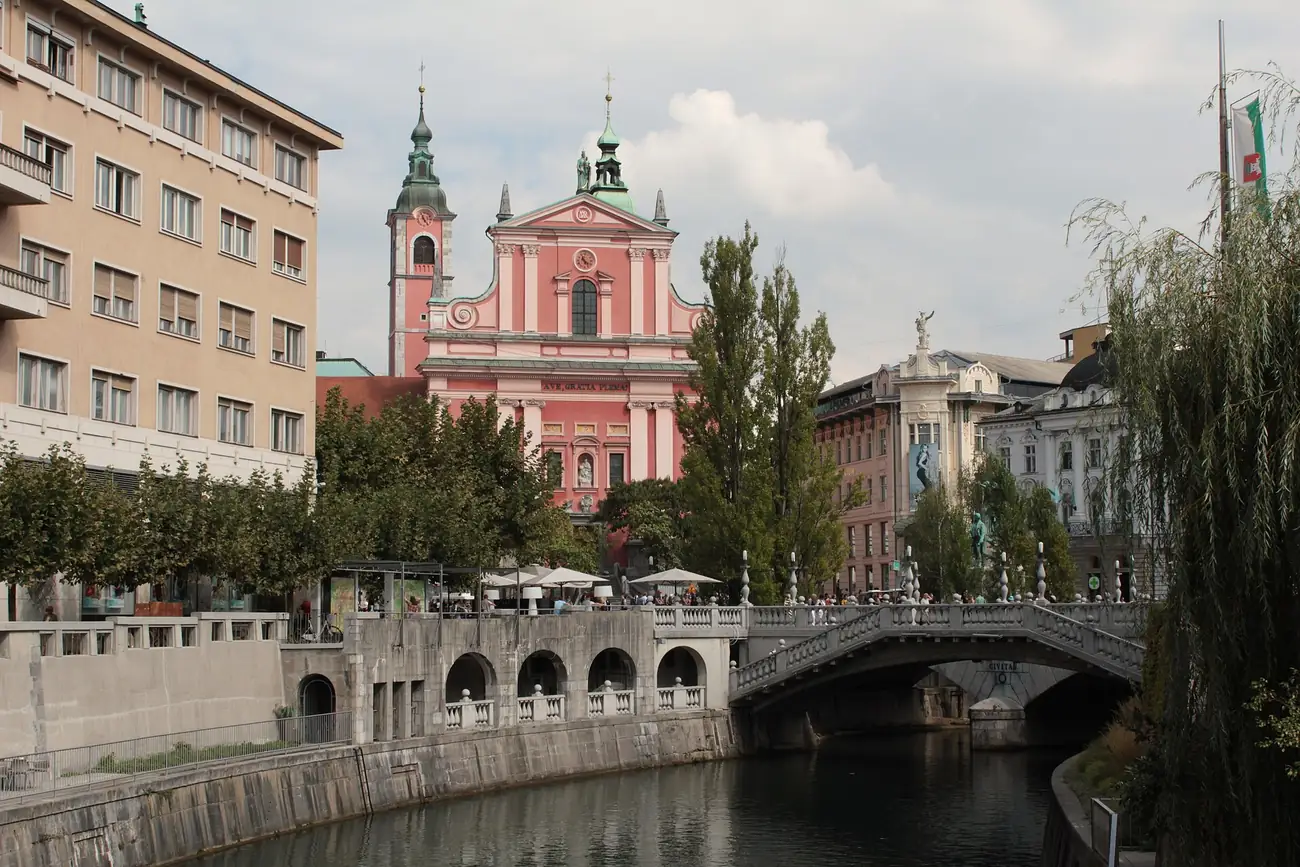
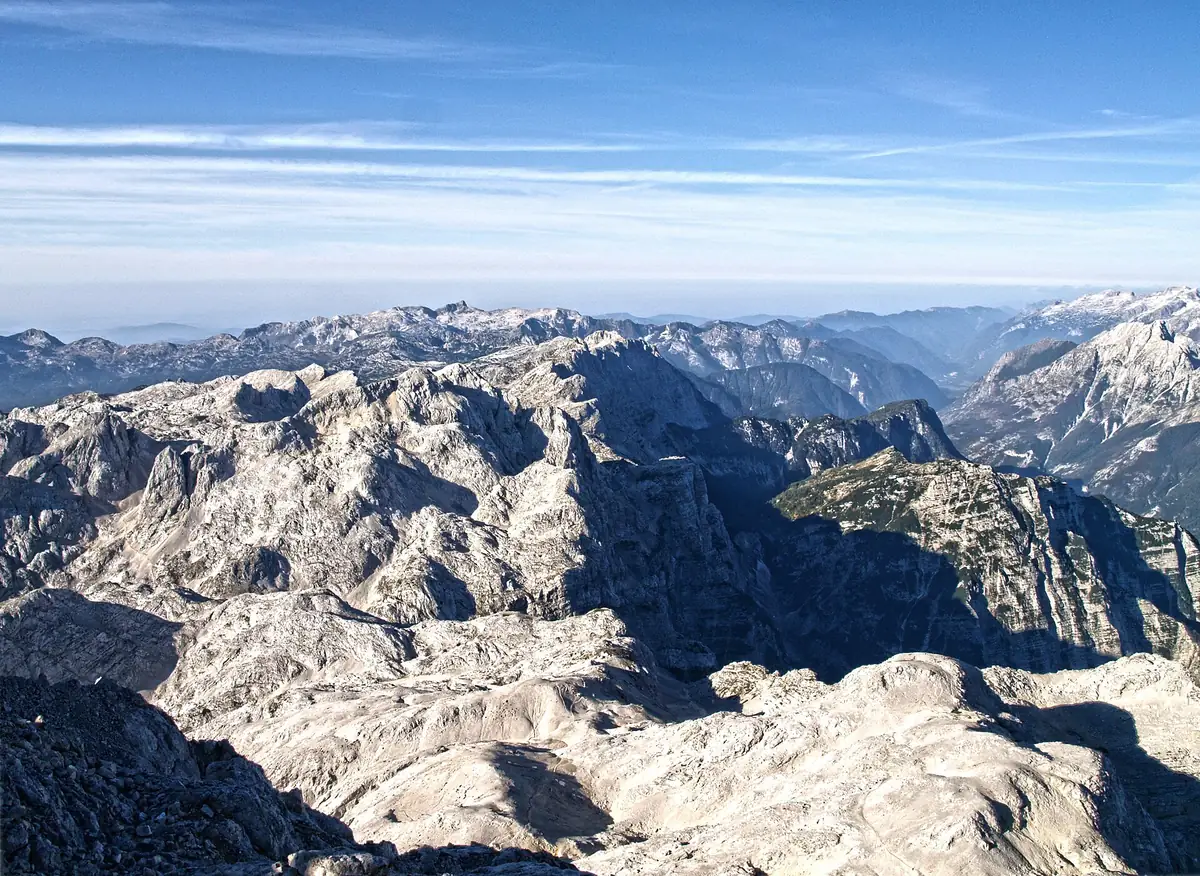
Ljubljana and the Triglav area show two ways to travel through Slovenia. In the capital you can read public space as a design: squares, bridges, markets and parks connect daily routes. Triglav National Park is about protected landscape and activities that depend on location, season and conditions. The two spots are not interchangeable day trips. A visit to the city can start with a walk; for a tour in the park you need more precise information about route, accessibility and current directions from the park manager.
UNESCO describes the work of Jože Plečnik in Ljubljana between the world wars as people-oriented urbanism. The world heritage does not consist of one monument. It includes squares, parks, streets, promenades, bridges and public institutions. This allows you to follow the story of the city by walking from room to room, instead of visiting one building and leaving again. Ljubljana's official tourism site mentions a large pedestrian zone. This makes the city suitable for a walking route, but the exact distance and accessibility depend on your chosen route.
Ljubljanski grad stands on a green hill above the city center. Its own site presents historical and cultural content. The view and position of the castle help to see the relationship between city and river, but visiting the interior spaces is a separate decision. The page consulted for opening hours was not reachable, so a time or ticket price here would be speculative. Current access information is published by the castle itself. A walking route through Plečnik's public spaces can be meaningful even without access to an exhibition in the castle.
Triglav National Park is, according to the park authority, the only national park in Slovenia. That fact says nothing about the safety or suitability of one walk. The park calendar also lists guided walks in Pokljuka Forest. The current event page shows to see whether a walk takes place on your travel date, where it starts and how to register. For an independent route, current trail conditions and weather matter.
If you prefer an indoor activity, the park website also lists information centres and exhibitions. It has mentioned a photography exhibition on the Julian Alps at Dom Trenta and an outdoor botanical exhibition, both with October end dates. Programmes can change. The Triglavska roža information centre in Bled is another starting point for questions about the area. The park publishes current opening times and exhibitions for travellers.
A route works best if you first choose the type of day: city, castle, information center or walk in a protected area. For Ljubljana, UNESCO and the tourism site provide background to the walking route; the castle publishes its own ticket information. For Triglav, the park authority and current route and weather information are leading. Don't take October colors, open paths or a guide for granted for a walk. The appeal of this combination lies precisely in the difference: a designed city where walking shows coherence, and a landscape where preparation is part of the visit.
Sources and image credits
- 1: Visit Ljubljana — official destination site · Triglav National Park — official park information
- UNESCO World Heritage Centre — Plečnik’s Ljubljana
- Ljubljana Castle — official visitor information
- Triglav National Park — official park information
Image credits 1
Photo: Valerio2468 / Wikimedia Commons · CC BY-SA 4.0 · Image source

Image credits 2
Photo: Insphoto / Wikimedia Commons · CC0 · Image source

Euro Magazine · 16 October 2026
Wikimedia Commons: The Triple Bridge in Ljubljana.
Wikimedia Commons: A mountain landscape in the Triglav region.
3: Visit Ljubljana — official destination site · Ljubljana Castle — official visitor information
6: Visit Ljubljana — official destination site · Ljubljana Castle — official visitor information · Triglav National Park — official park information