Luxembourg in October: Vianden Castle and the wine trails on the Moselle
The Luxembourg grape harvest began exceptionally early in 2026. For an autumn trip, a castle visit and a chosen wine walk are more concrete plans than counting on pickers in the vineyard.
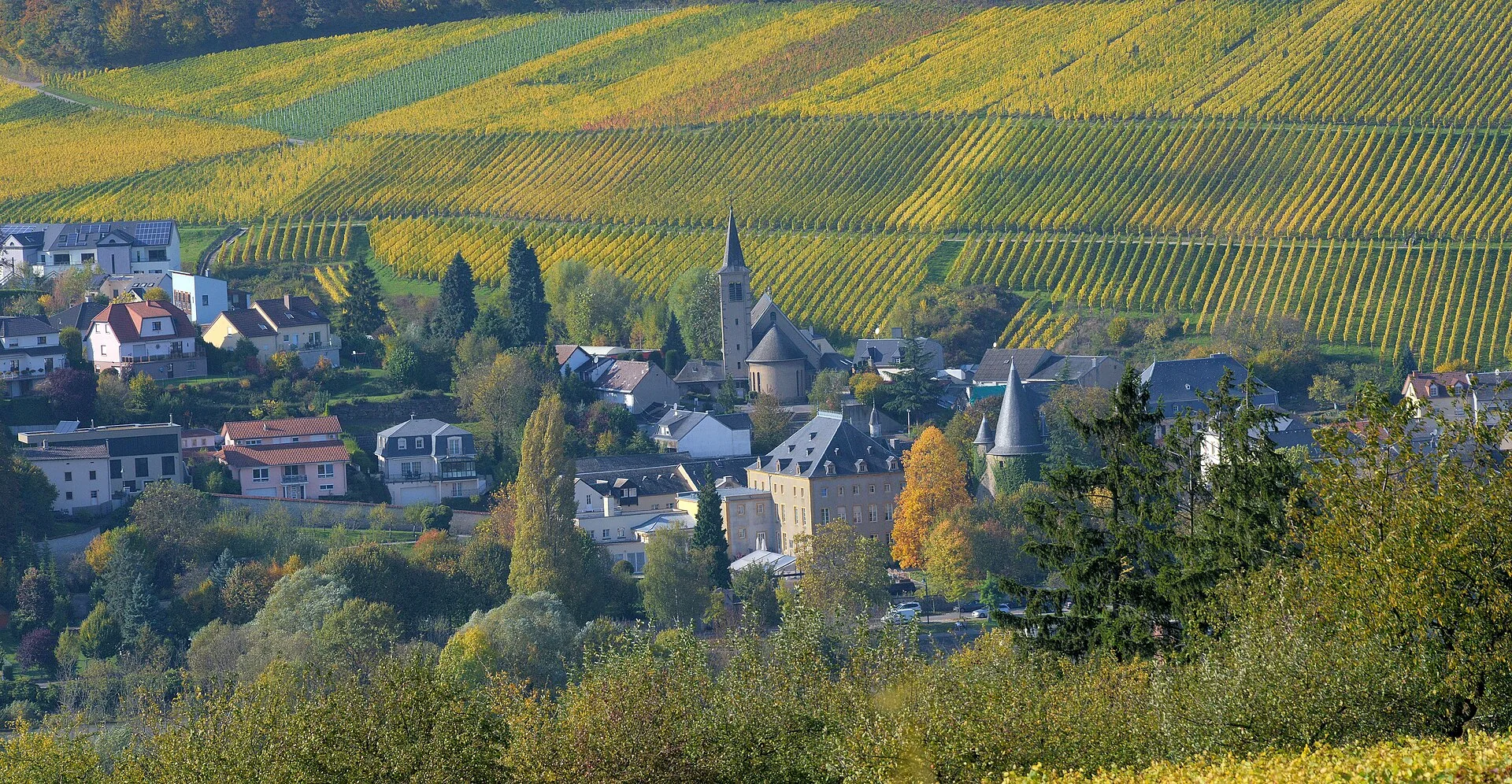
An autumn trip through Luxembourg can combine culture and vineyards, but the one does not automatically lie next to the other. Vianden Castle is in the north of the country; the wine walks belong to the Luxembourg Moselle in the east. For October 2026, the timing of the wine harvest is especially relevant: the Luxembourg government reports that the first grapes were already picked on 17 August in Wintrange, exceptionally early. A walk among the vines remains attractive, but an active harvest cannot be promised in mid-October.
Vianden is the clearest castle destination in this plan. The operator lists opening hours of 10.00 to 16.00 in November and December, with last admission at 15.30. The castle is closed on 2 November and 25 December. No advance reservation is needed for an ordinary visit. The published adult admission price is 13 euros. The operator publishes current visitor details for anyone building the day around transport and a walk. Bear in mind too that, the castle operator states, dogs are not allowed in the historic rooms.
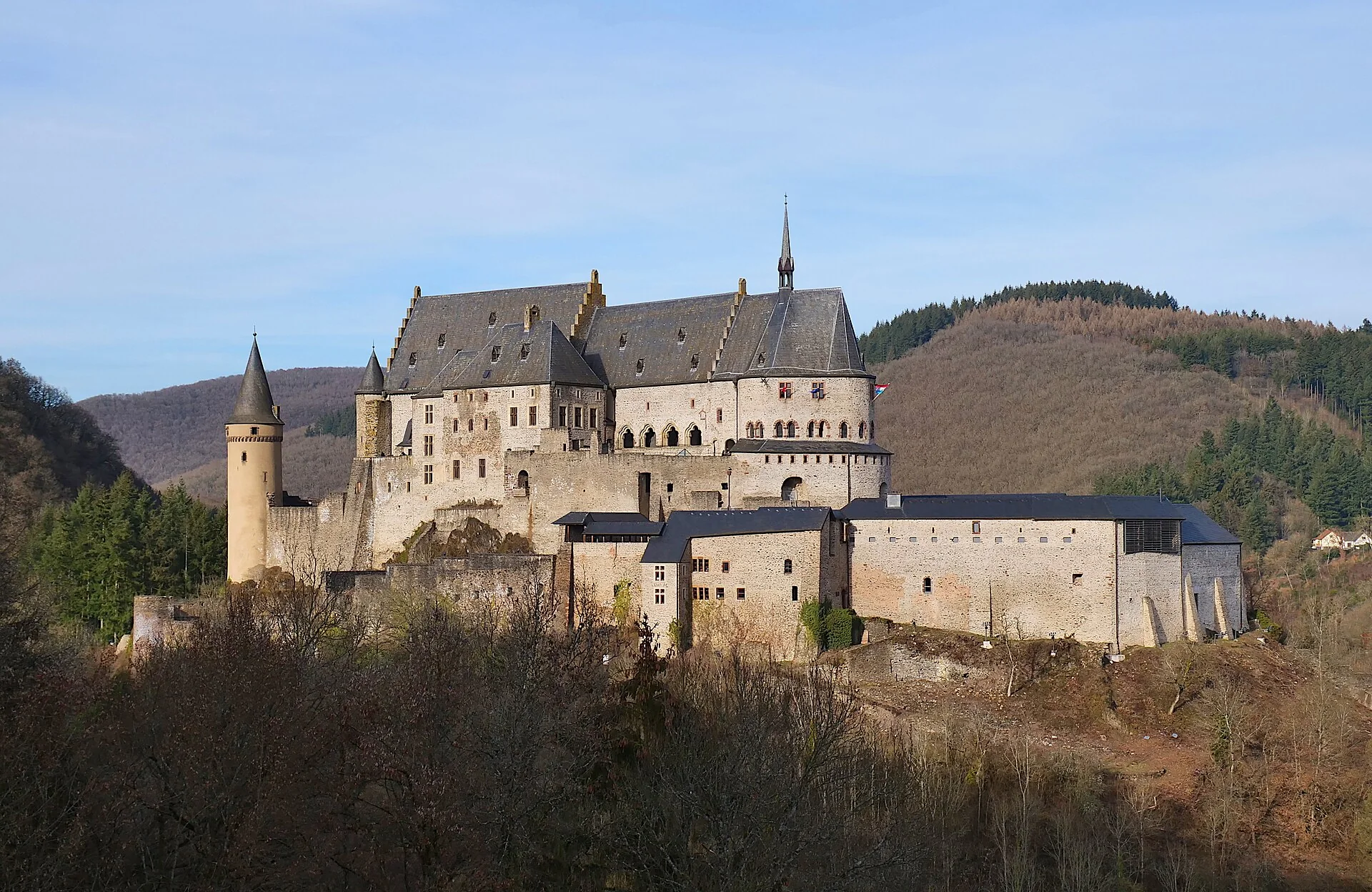
Anyone wanting to walk outdoors after the castle can use the official VI 2 route from Visit Luxembourg. It begins and ends at the tourist information in Vianden, is 5.96 kilometres long and is estimated at about two hours. The route leads from the village to viewpoints where the castle appears in the landscape; you follow the white-and-blue waymarking. The stated 170 metres of ascent makes clear that this is more than a flat promenade along the river. The route description warns that wet ground, ice or wind can make the walk harder. Conditions on the day itself therefore matter.
For the wine side, you travel separately to the Moselle. Visit Moselle calls it Luxembourg’s only wine-growing region and gathers walks through the vineyards. Those routes differ greatly. The regional hiking map lists, near Greiveldange, the theme route ‘Win Kultur & Landschaft pur’ of 6.8 kilometres with 152 metres of ascent, and, near Remich, a comfort walk of 4 kilometres with hardly any difference in height. Those are two very different afternoons. Fitness and the current map or GPX determine which route fits the trip; the times and distances given on a map say nothing about temporary diversions.
A tasting along the way needs separate planning. The regional tourist office writes that the wine walks can be done independently, but that a tasting at a winegrower must be booked in advance. An open vineyard path therefore does not mean you can walk into a producer without an appointment. The early harvest of 2026 also makes the story different from a classic picture of grape pickers in October. In September, the government expected a below-average quantity because of the warm, dry summer. That was an expectation at that moment, not an established final tally of the vintage.
Schengen also has a traditional Hunnefeier around the end of the harvest. The own website of the organiser, Syndicat d’Initiative Schengen, describes wine, regional products and market stalls, but on the visitor page that was read gives only ‘mid-October’ and no confirmed day for the 2026 edition. The festival date is therefore not yet a confirmed appointment in the calendar. The regional events calendar does list a date, but for this story the organiser counts as the decisive source. Its current programme determines whether a trip for the festival makes sense. The photo of the vineyards at Schengen is from 2013; the castle image too is historical, from February 2019.
Practical frame: Vianden combines the castle visit with the marked VI 2 walk, with the castle’s last admission time as a fixed limit. On the Moselle, a short, almost flat route near Remich contrasts with a longer theme route near Greiveldange. Any tasting requires a separate booking. Local route information and the weather are decisive for both days; in October, rain and wind can change a planned walk.
Sources and image credits
- Vianden Castle, visitor information
- Visit Luxembourg, hiking route VI 2 Vianden
- Visit Moselle, wine region
- Visit Moselle, hiking map of the Luxembourg Moselle
- Visit Moselle, wine walks and tastings
- Luxembourg government, early wine harvest 2026
- Syndicat d'Initiative Schengen, Hunnefeier
- Visit Moselle, event listing Hunnefeier
Image credits 1
Photo: Dr. Kerbusch / Wikimedia Commons · CC BY-SA 4.0 · Beeldbron

Image credits 2
Photo: Jeff Croisé / Wikimedia Commons · CC BY-SA 4.0 · Beeldbron

Euro Magazine · 14 October 2026
Wikimedia Commons, vineyards at Schengen (2013)
Wikimedia Commons, Vianden Castle (2019)
1:
2:
3:
4: · fileadmin/visitmoselle/PDF/ORT_Moselle_Hiking_Map.pdf
5:
6:
7: