From the Danube to Tokaj: two landscapes that explain Hungary
In Budapest you can read the city along two banks; in Tokaj, vineyards and cellars tell the story of how a region shaped its wine culture.
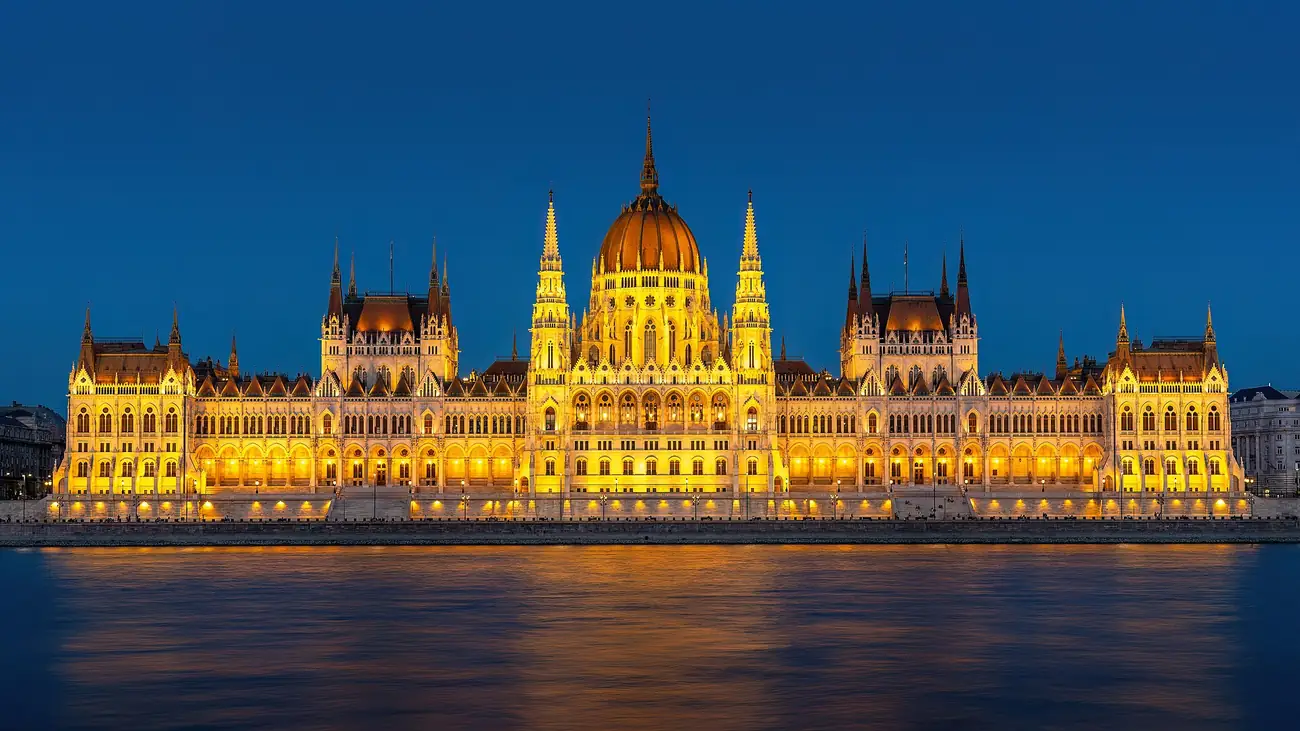
At first glance, Budapest and Tokaj seem like two different trips. In the capital, the large buildings on the Danube take center stage; in the northeast, vineyards follow the hills and rivers. The two UNESCO World Heritage descriptions reveal a common question: how does a place grow around its landscape? In Budapest, the river for a long time divided Buda on the right bank and Pest on the left bank. In Tokaj, the Zemplén Hills, the Bodrog and the junction with the Tisza form the framework of a wine region. Anyone who visits both places will see how geography and history come together in the visible environment.
A walk along the Danube makes the structure of Budapest understandable. The Castle District is located higher on the right bank; the wide, flat city of Pest developed on the other side. UNESCO describes how the Chain Bridge, completed in 1849, symbolized reunification, while the administrative merger did not take place until 1873. The neo-Gothic parliament building, built between 1884 and 1904, represents a later phase in which the capital also showed its role architecturally. The buildings are therefore not decors from one era, but traces of several changes.
Andrássy Avenue also makes this nineteenth-century expansion visible. According to UNESCO, construction from 1872 changed the structure of Pest; one of the earliest underground railways on the European mainland was built under the avenue in the 1890s. It is tempting to only visit the well-known facades, but the combination of street, connections and public buildings tells more. A route from the riverbank to the avenue shows how the city grew outward from the water. Opening times of individual museums or parliament are therefore not given and must be checked separately.
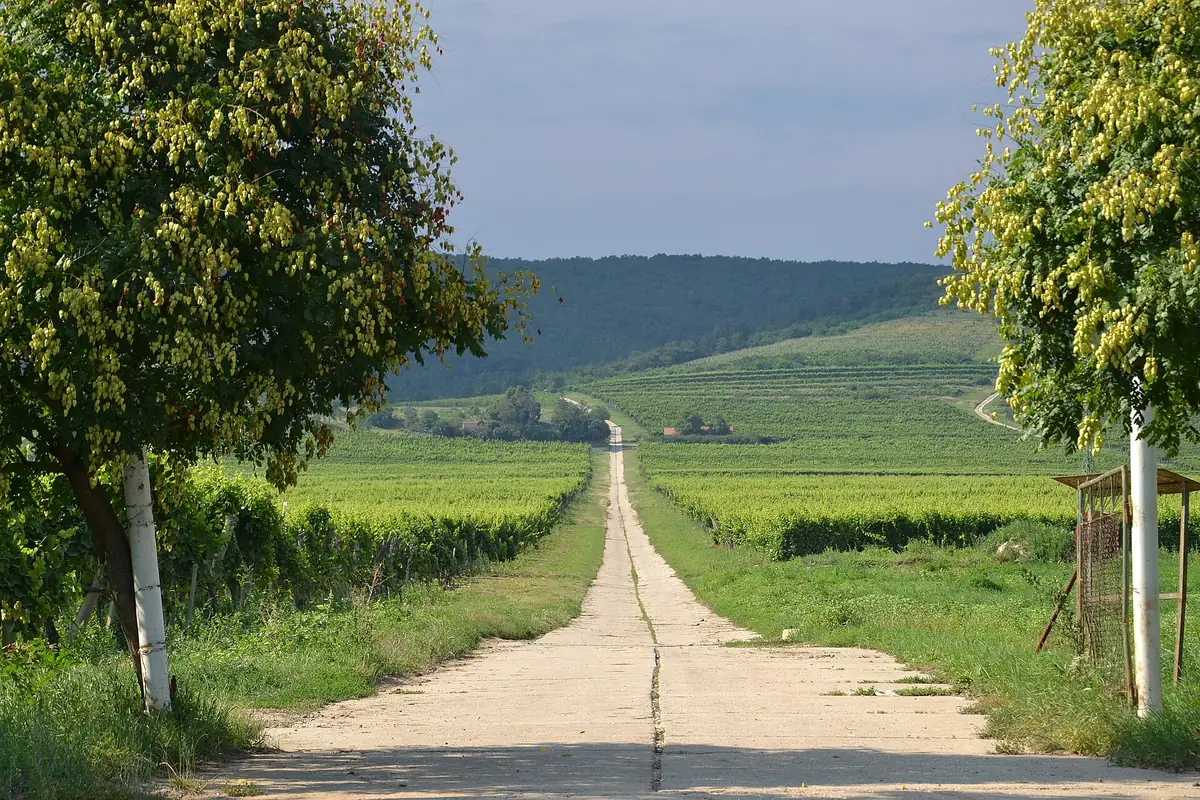
Tokaj asks for a slower look. UNESCO describes a cultural landscape of vineyards, villages, small towns, farms and deep wine cellars. The history of grape growing and aszú wine has been documented since the sixteenth century. In 1737, the region was established by decree as a demarcated wine region; The historic landscape has been on the World Heritage List since 2002. This makes the wine not only a product in the glass, but also a way to understand the layout of the landscape. Visitors can explore the area without assuming a harvest festival date.
The practical choice is which experience you actually want to book. For a city walk, the UNESCO pages are a good map of the historical context, but not a current ticket counter. Those who want to visit the Széchenyi Bathhouse can find the address and service times on the operator's own site: Állatkerti körút 9–11 in Budapest. That site warns that times of individual services may differ. A price or date for an announced party cannot be reliably deduced from the source consulted. The study lacks current visit data from a specific company for a Tokaj wine cellar.
Therefore, first plan the parts that are fixed: Budapest's banks and avenue as an urban route, Tokaj's rivers and villages as a landscape route. The current opening of the bathhouse and the options for a tour of a winery can be found with the providers; the price for the chosen date is also stated there. Autumn can be a reason to combine these places, but this story does not predict weather, harvest day or crowds. The historical sources especially help to see on the spot why these two Hungarian areas are more than a collection of separate attractions.
Sources and image credits
- 6: UNESCO World Heritage Centre — Budapest · UNESCO World Heritage Centre — Tokaj wine region · Széchenyi Baths — official visitor information
- UNESCO World Heritage Centre — Tokaj wine region
- Széchenyi Baths — official visitor information
Image credits 1
Photo: Pierre Blaché / Wikimedia Commons · CC0 · Image source

Image credits 2
Photo: Pudelek / Wikimedia Commons · CC BY-SA 4.0 · Image source

Euro Magazine · 16 October 2026
Wikimedia Commons: The Hungarian Parliament Building on the Danube.
Wikimedia Commons: A vineyard in the Tokaj region.