German Unity Day, 3 October: what Germany celebrates and why in Bremen
Euromagazine · 3 October 2026
Germany · Europa
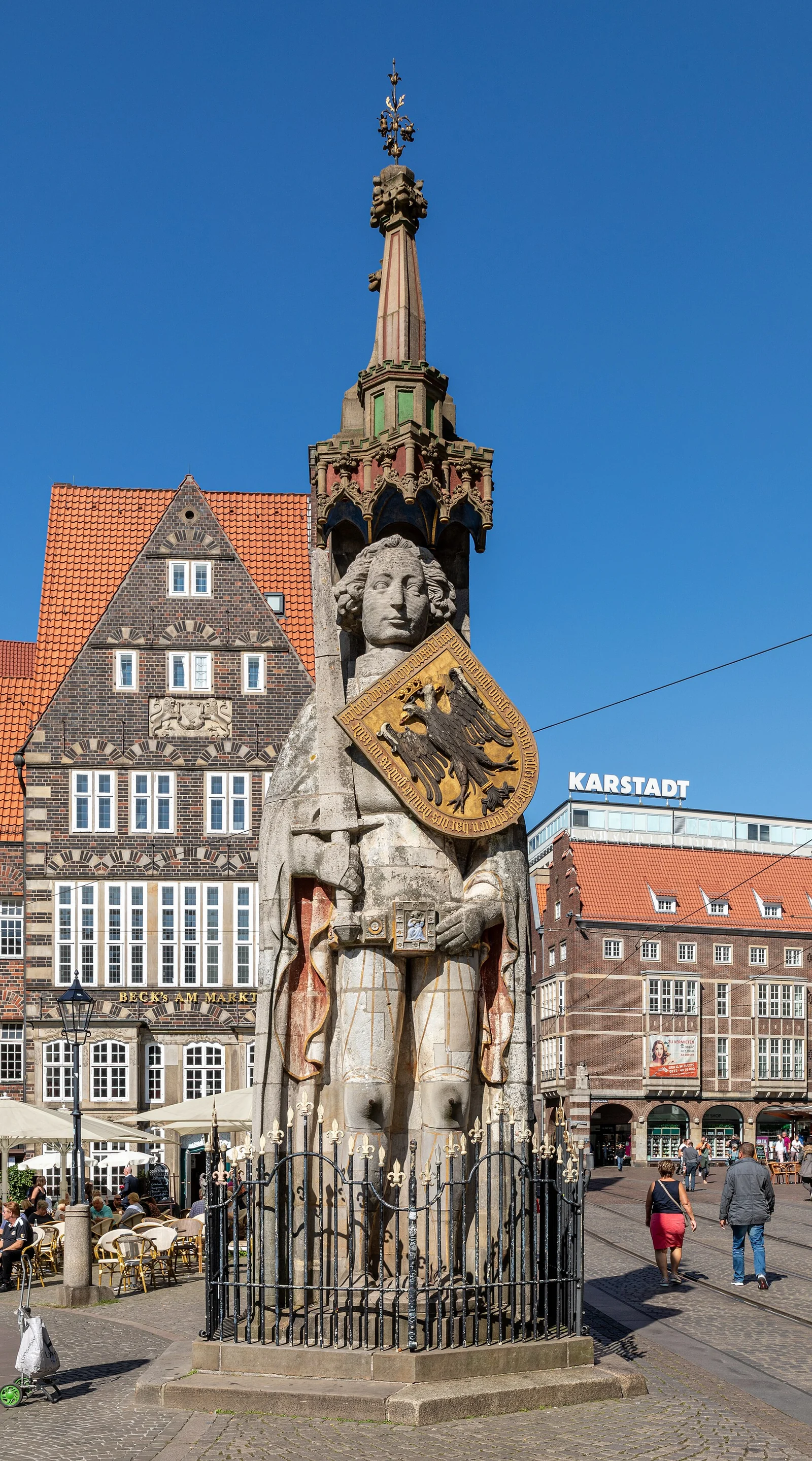
On Saturday 3 October 2026, Germany celebrates 36 years of unity, with the central festivities in Bremen. What happened on 3 October 1990, and why does the celebration move every year?
On Saturday 3 October 2026, Germany celebrates the Tag der Deutschen Einheit, German Unity Day. This year the central celebration is in Bremen, from Friday 2 to Sunday 4 October, under the motto "Viele Stärken – ein Land". The organisers of the Bürgerfest, the public festival, speak of 36 years of German unity.
For someone from the Netherlands, it is a striking public holiday: not a King’s Day, not a Liberation Day, but the day on which one country commemorates the joining of two states. What exactly happened, and why does the celebration travel to a different city every year?
What happened on 3 October 1990
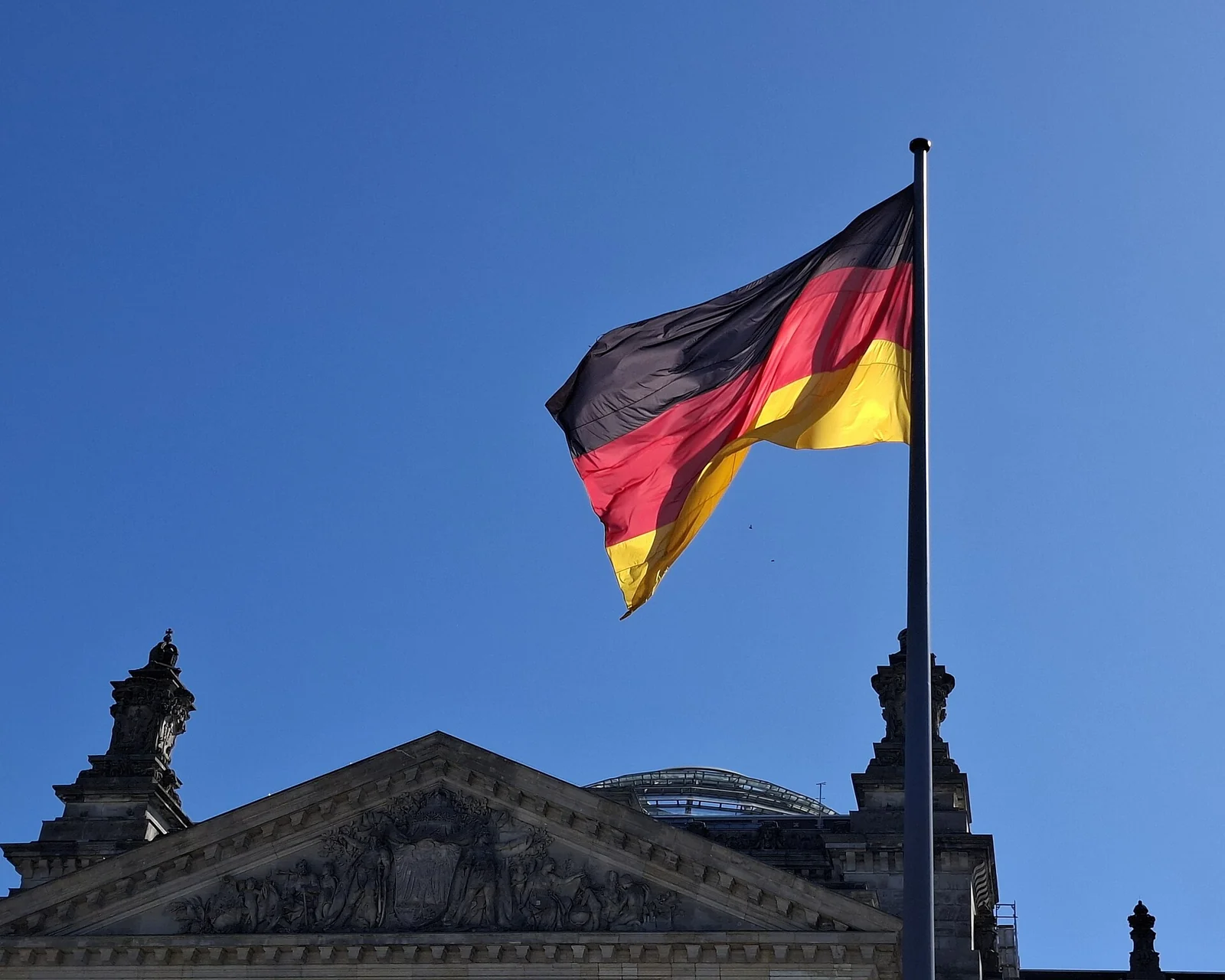
It was not about the fall of a wall, but about an accession. On 3 October 1990, the German Democratic Republic (GDR) acceded to the Federal Republic of Germany. This happened under Article 23 of the Grundgesetz, the German constitution, writes the Bundeszentrale für politische Bildung. The conditions were set out in the Einigungsvertrag, the unification treaty of 31 August 1990. In it, both states settled everything the accession required: amendments to the constitution, the harmonisation of law and the new organisation of government and public assets.
The Berlin Wall fell earlier, on 9 November 1989. After the Wende, that date was discussed as a national holiday, writes the Landeszentrale für politische Bildung Baden-Württemberg. But 9 November 1938 was also the date of the Reichspogromnacht, and so 3 October was chosen instead, the day on which unity was completed. Article 2 of the unification treaty laid this down. According to the same institution, it is the only public holiday in Germany set out in federal law; all other public holidays are a matter for the federal states.
Why a different city every year
The central celebration moves around the country. The official festivities always take place in the federal state that holds the presidency of the Bundesrat, Germany’s upper chamber, at the time, the Bundesrat explains. Bremen took over that presidency from Saarland on 1 November 2025. According to the Bundesrat, the order of the federal states has already been fixed up to and including 2041.
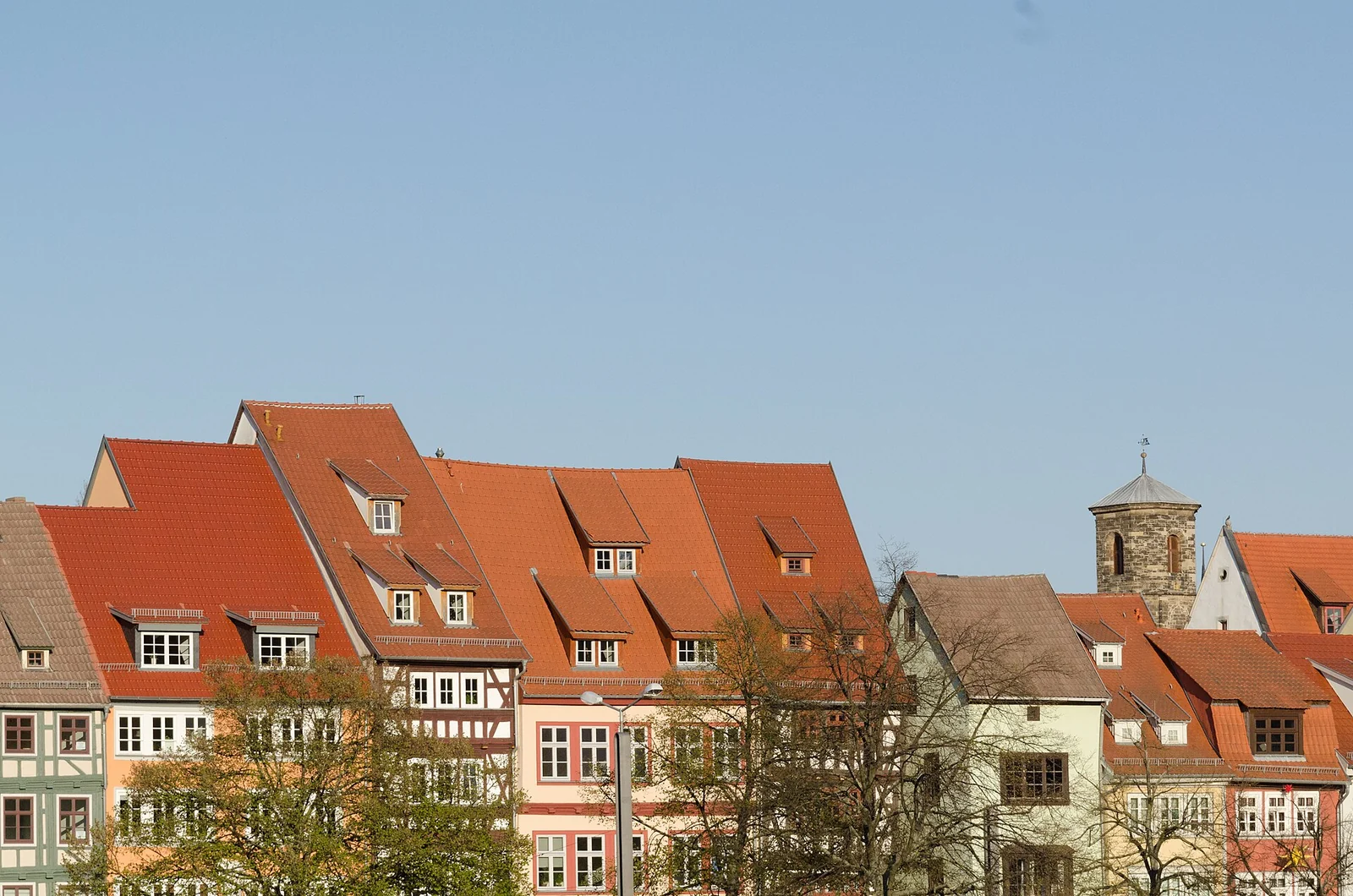
You can see this in the overview on the Bürgerfest website: in 1990 the celebration was in Berlin, in 1991 in Hamburg, in 1992 in Schwerin, in 1993 in Saarbrücken and in 1994 in Bremen for the first time. Bremen was also host in 2010, for the twentieth anniversary. This year, then, it is the Hanseatic city’s turn for the third time.
What there is to see in Bremen
The celebration takes place around the Domshof, the Marktplatz, the Schlachte along the Weser, the Osterdeich and the Weserstadion. According to the organisers, all sixteen federal states present themselves on the Ländermeile, the festival mile along the Osterdeich, with pavilions, regional dishes and culture. The host state of Bremen shows itself in ten themed worlds, from aviation and space travel to marine research. There are concerts on two large stages, on the Domshof and in the stadium.
Around the Weserstadion, Germany’s constitutional bodies also present themselves: the Bundestag, the Bundesrat, the government and the Bundesverfassungsgericht, the constitutional court. The government has four large tents and a dialogue forum where ministers answer questions. According to the Bundesregierung, on Saturday 3 October they include Defence Minister Boris Pistorius, Finance Minister Lars Klingbeil and Justice Minister Stefanie Hubig. There is also a photo exhibition on the road to unity.
On the holiday itself there is an official ceremony. After an ecumenical service in St Petri Cathedral, there is a Festakt in the concert hall Die Glocke. The speakers are Federal President Frank-Walter Steinmeier and Bundesrat President Andreas Bovenschulte, the Bundesrat reports. Das Erste broadcasts it live from 11:45. On 3 October, according to the Bundesrat, Bovenschulte also hands the symbolic baton of the presidency to Hendrik Wüst, Minister-President of North Rhine-Westphalia.
Not just Bremen
Bremen is the central venue, but not the only one. The Bürgerfest website collects the celebrations elsewhere in the country: there are dozens of them, spread across Germany.
A different way of looking
Many public holidays commemorate a battle or a declaration of independence. This day commemorates a vote: the Volkskammer, the parliament of the GDR, declared accession with effect from 3 October 1990 during the night of 22 to 23 August 1990. Of the 363 votes cast, 294 were in favour, writes the Landeszentrale. A parliamentary decision became a public holiday. And because the celebration is hosted by a different federal state each year, a country made up of sixteen parts sees its unity in a different city every time.
Sources and image credits
- einheitsfest.de/
- www.bundesregierung.de/breg-de/schwerpunkte/deutsche-einheit/deutsche-einheit-2026-2452240
- www.bundesrat.de/DE/termine/veranstaltungen-termine/tag-dt-einheit/dt-einheit-node.html
- www.bpb.de/themen/deutsche-einheit/einigungsvertrag/
- www.lpb-bw.de/tag-der-deutschen-einheit
Image credits 1
Photo: Dietmar Rabich / Wikimedia Commons, CC BY-SA 4.0

Image credits 2
Photo: VynedJ / Wikimedia Commons, CC BY 4.0

Image credits 3
Photo: Tilman2007 / Wikimedia Commons, CC BY-SA 3.0

Image rights