Autobahn, péage and vignette: what changes at the border
A German motorway asks something different of a driver than a French toll road or a Swiss motorway. French free-flow tolling and the Swiss annual vignette deserve particular preparation.
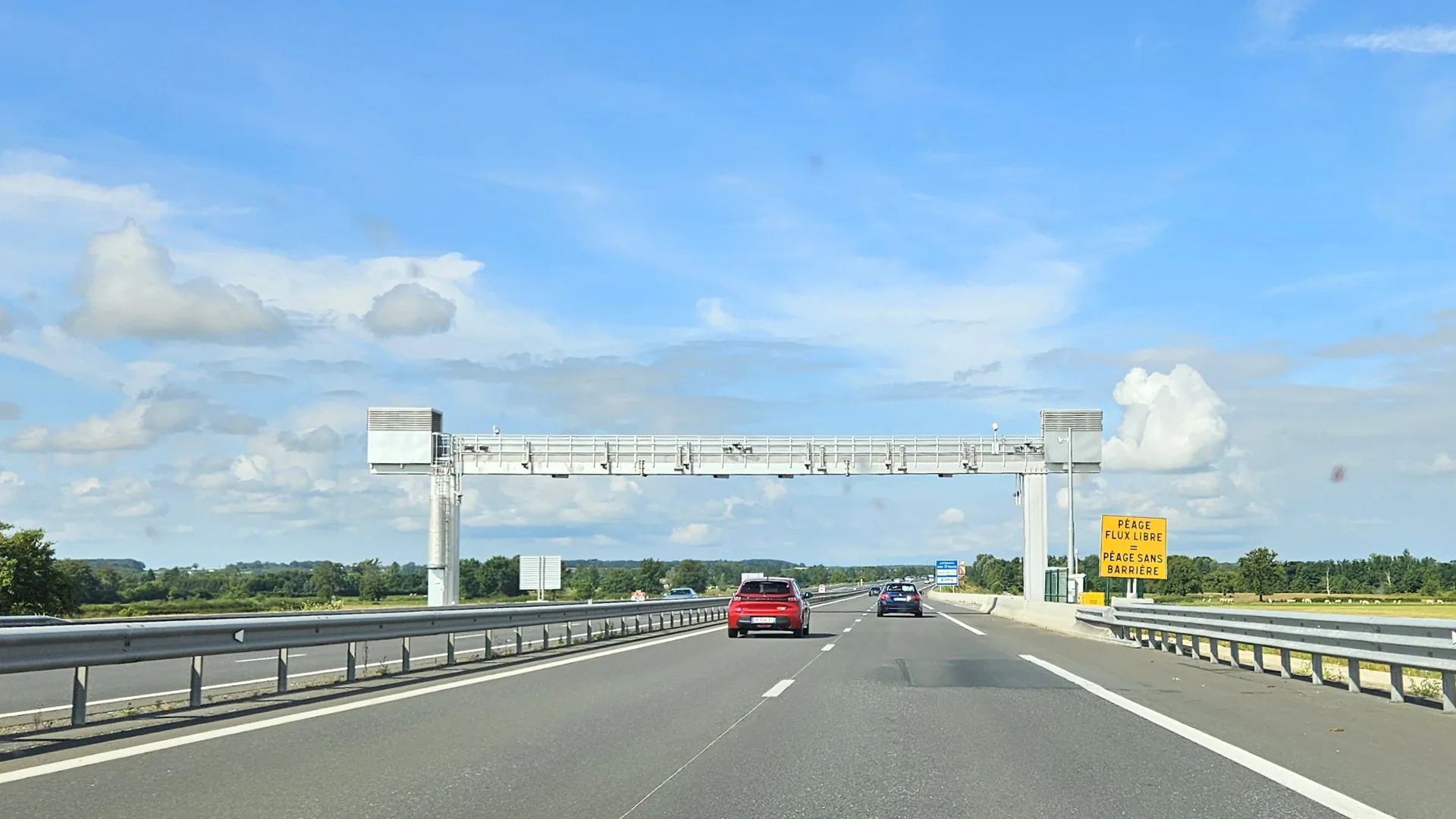
A drive across Europe can look like one continuous route on a map. The way roads are paid for changes along the way. Germany has no general motorway distance charge for an ordinary passenger car. In France, a toll road may have a payment barrier, but on some routes a gantry records your number plate without making you stop. Switzerland requires a vignette for designated motorways and expressways. This difference matters particularly with French barrier-free tolls, where the charge is paid after the journey. A route through the three countries therefore combines three systems, even if it feels like one trip to the driver.
The German transport ministry describes its federal toll as a charge for vehicles intended or used for goods transport with a technically permissible maximum mass of more than 3.5 tonnes. An ordinary passenger car is outside that category. That does not make the Autobahn a road without traffic rules. German law recommends 130 kilometres per hour for passenger cars on motorways even in favourable conditions. Where a speed limit is posted, that limit applies. Signs can differ by stretch; the absence of a general car toll does not mean that one speed rule applies across the Autobahn.
In France, how you pay depends on the route and the motorway operator. The portal of the French motorway companies directs travellers to the operator concerned for payment methods. With the péage en flux libre, there is no barrier. The French transport ministry names the A79 in Allier and the A13–A14 corridor between Paris and Normandy as examples. Gantry cameras read number plates and calculate the amount due. Traffic keeps moving, but use of the road is still charged. This changes when the toll is collected; it does not waive it.
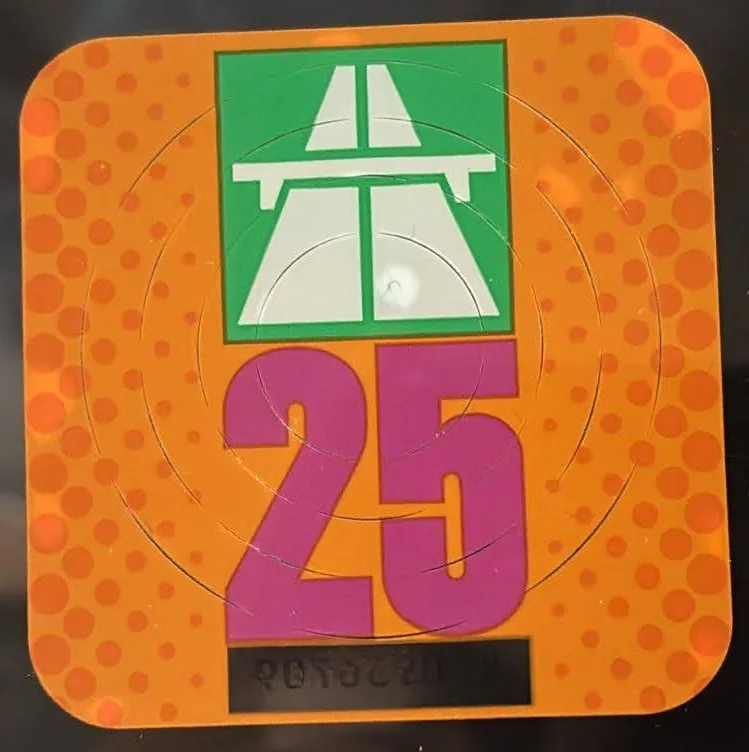
Without an operating electronic toll tag, the driver must pay for such a French passage within 72 hours. Payment is possible on the website of the relevant operator, Sanef or Aliae, or at a participating Nirio outlet. According to the ministry, advance online registration is not required. A properly mounted toll tag can settle the charge automatically. The ministry also warns about false text messages and emails concerning outstanding tolls. Official payment channels are the operator, Nirio or a toll tag; unexpected payment links are not among them. For an occasional trip without a tag, the 72-hour deadline is especially relevant.
Switzerland uses another system. According to the Swiss government portal ch.ch, cars, motorbikes and certain other vehicles up to 3.5 tonnes need a vignette to use the designated motorways and expressways. The 2026 vignette costs CHF 40 and is valid from 1 December 2025 through 31 January 2027. There is no daily, weekly or monthly version. Drivers can choose a windscreen sticker or an electronic vignette linked to the number plate. The portal directs buyers to the official Via Portal for the electronic version and also lists border sales points for the sticker. The Swiss road map marks which roads require the vignette.
For an ordinary passenger car, the practical distinction is clear: no general German Autobahn toll, French tolls paid at a booth or after number-plate capture depending on the route, and a Swiss vignette for designated roads. Other charges may apply to vehicles over 3.5 tonnes. On a French free-flow road, the operator and payment deadline matter most; in Switzerland, the vignette requirement and the correct number plate for the electronic version are decisive. Road signs also govern speed along the way. Payment points and affected routes are listed on the official sites of the relevant government or road operator, allowing preparation to match the route actually driven.
Sources and image credits
- https://www.bmv.de/SharedDocs/DE/Artikel/StV/Strassenverkehr/lkw-maut.htm
- https://www.gesetze-im-internet.de/babrigeschwv_1978/__1.html
- https://www.autoroutes.fr/fr/moyens-de-paiement.htm
- https://www.ecologie.gouv.fr/peage-flux-libre
- https://www.ch.ch/en/vehicles-and-traffic/how-to-behave-in-road-traffic/motorway-vignette/
Image credits 1
Photo: GilPe / Wikimedia Commons · CC BY-SA 4.0 · Image source

Image credits 2
Photo: FlippyFlink / Wikimedia Commons · CC BY 4.0 · Image source

Euro Magazine · 26 October 2026
Facts and sources
A drive across Europe can look like one continuous route on a map. The way roads are paid for changes along the way. Germany has no general…
The German transport ministry describes its federal toll as a charge for vehicles intended or used for goods transport with a technically pe…
In France, how you pay depends on the route and the motorway operator. The portal of the French motorway companies directs travellers to the…
Without an operating electronic toll tag, the driver must pay for such a French passage within 72 hours. Payment is possible on the website…
Switzerland uses another system. According to the Swiss government portal ch.ch, cars, motorbikes and certain other vehicles up to 3.5 tonne…
For an ordinary passenger car, the practical distinction is clear: no general German Autobahn toll, French tolls paid at a booth or after nu…