A palm made from tyres: Frieze Sculpture changes London’s park
Euromagazine · 6 October 2026
United Kingdom · Art
Works by eleven artists occupy the English Gardens in Regent’s Park until 1 November. Rubber, newspaper pulp and a perforated form make this free exhibition more than a row of sculptures on plinths.
A palm tree over seven metres tall stands in London this autumn. Douglas White made Black Palm from steel and rubber taken from discarded lorry tyres. He found the material beside roads in Belize. Frieze describes how he saw palms blackened by burning due to disease, alongside remnants of burst tyres. Those observations prompted a palm made from discarded rubber.
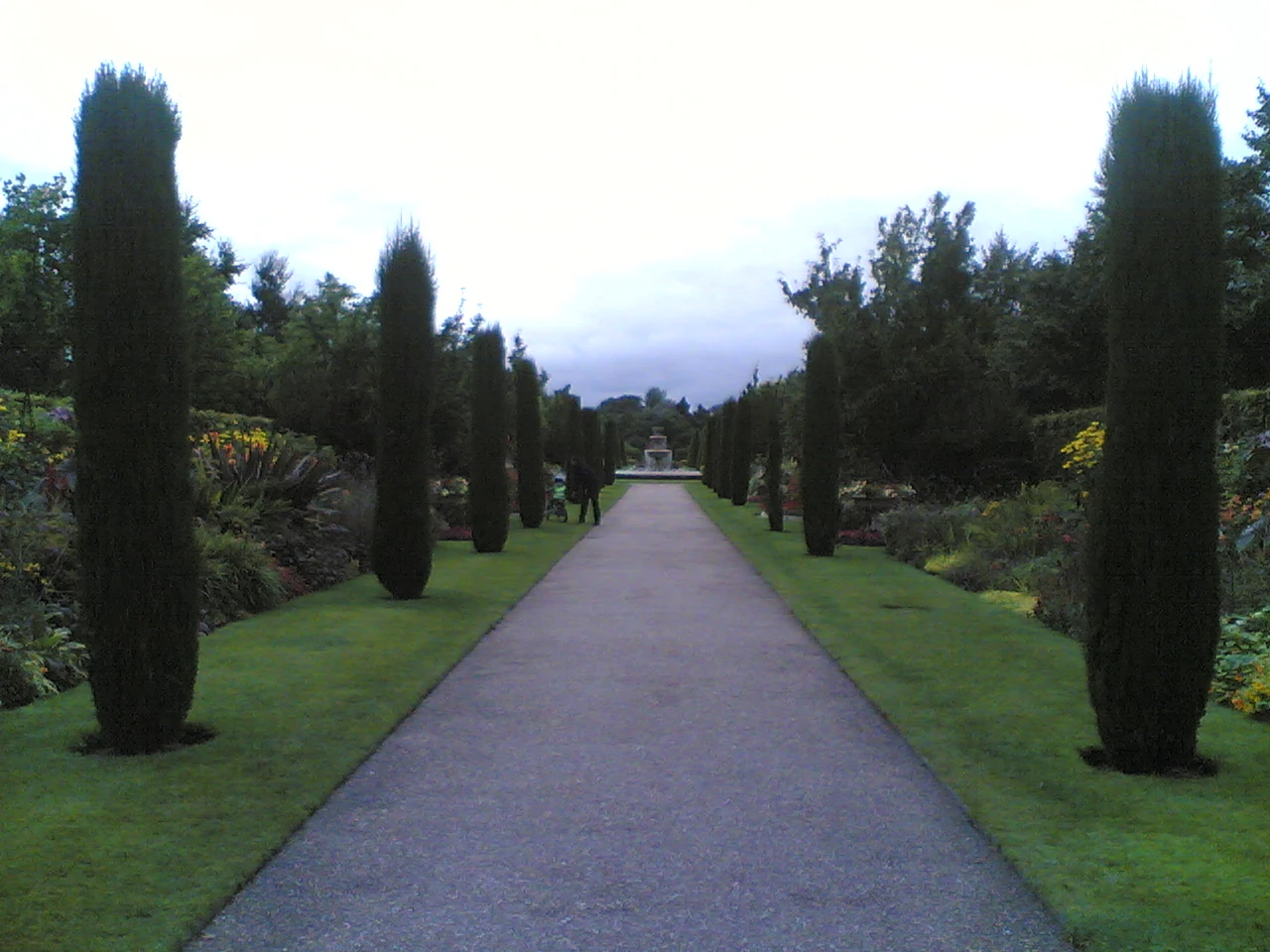
The sculpture is part of Frieze Sculpture 2026. The exhibition runs from 16 September to 1 November in the English Gardens of Regent’s Park. Fatoş Üstek is curator for the fourth year; eleven international artists have been selected for this fourteenth edition. Admission is free, with no reservation required.
Waste takes another shape
In White’s work, rubber remains the material, but the tyre’s original function disappears. Frieze interprets the sculpture in terms of ecology and the industrial city, as well as labour and world trade. Its account also connects colonial exploitation with rubber as a traded commodity. The reference to a tropical tree stands in a landscaped London park: the material’s origins sit alongside the place where the sculpture is shown.
Catriona Robertson also works with remnants from the city. Her installation WYRM consists of large, worm-like forms that seem to move through the ground. Her practice uses materials including timber, textiles, old newspapers and roofing material. One of them is papercrete, a combination of concrete and newspaper pulp.
The accompanying account describes the forms as an imaginary life form that could process industrial waste. The combination of concrete and paper gives that fantasy a tangible starting point: something thrown away can become material for a sculpture.
A clock without a dial
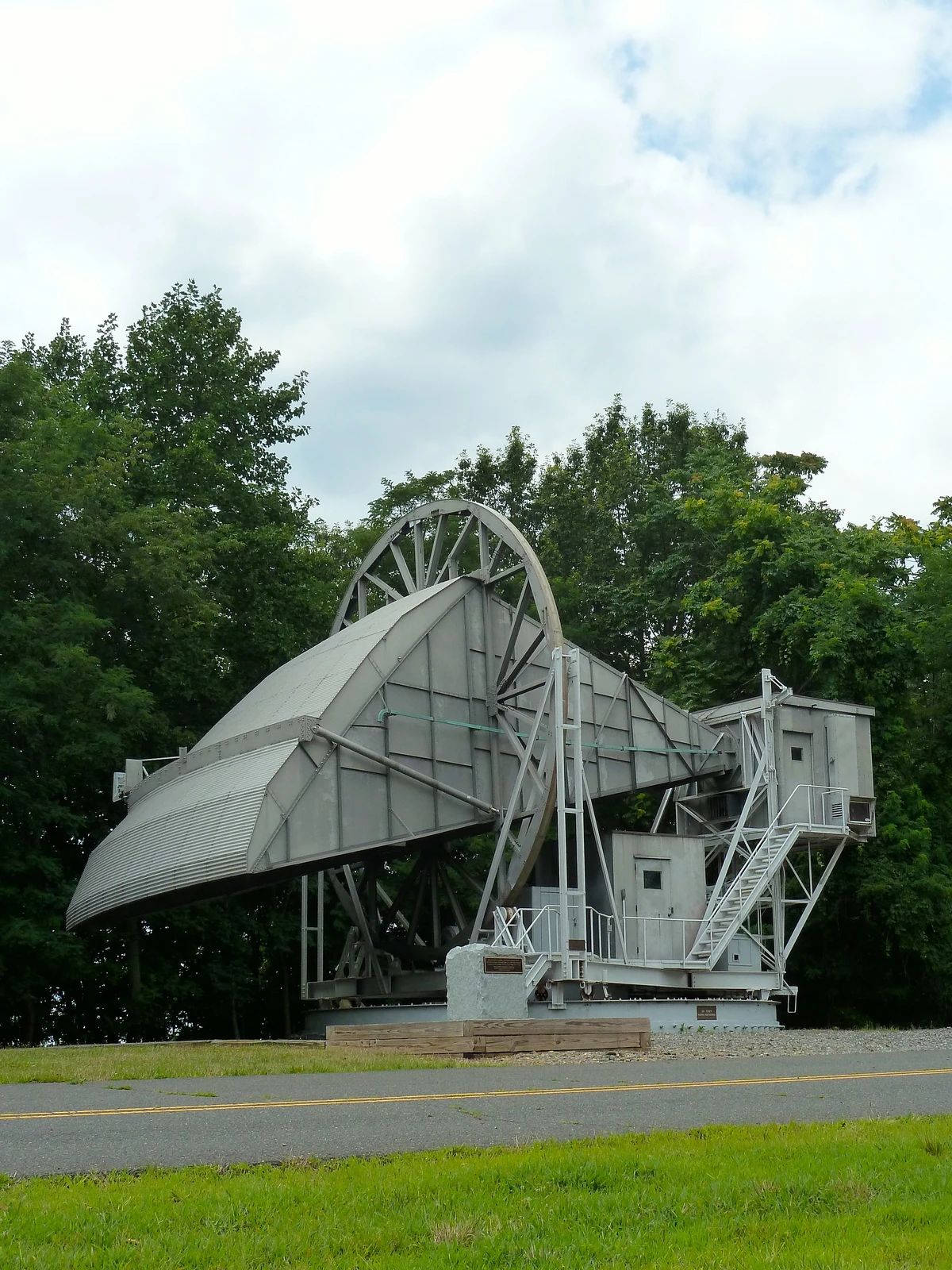
Conrad Shawcross approaches time through a different kind of object. Eye of the Needle (Time Pebble (E30A13)) is an elliptical form with openings through which light and shadow fall. According to Frieze, it was a visit by Shawcross to New Jersey’s Holmdel Horn Antenna in 2008 that directly prompted this work.
The account links the sculpture to his exploration of geometry and how people understand time. It uses a perforated surface rather than a dial marked with hours. That choice reveals a distinction between reading a clock and thinking about time through changing light.
Together, the three works offer different answers to the question of what can give rise to a sculpture. White begins with tyres and a tree shape, Robertson with urban waste and an imaginary organism, Shawcross with geometry.
Practical information
Frieze Sculpture is in the English Gardens of Regent’s Park, London, until 1 November 2026. The outdoor programme is free; no reservation or art fair ticket is needed. Frieze London and Frieze Masters take place separately from 14 to 18 October, with their own tickets.
According to the official 2026 park schedule, Regent’s Park opens at 5am. During British Summer Time in October it closes at 7pm; during the part of October on winter time, at 5.30pm. These are local times. For a later visit, consult the current park schedule.
The free Bloomberg Connects digital guide includes audio commentary by the curator and artists. Programme and visitor information dated 4 October 2026.
Sources and image credits
- https://www.frieze.com/article/frieze-sculpture-2026-douglas-white-black-palm
- https://www.frieze.com/article/frieze-sculpture-2026-catriona-robertson-wyrm
- https://www.frieze.com/article/frieze-sculpture-2026-conrad-shawcross-eye-of-the-needle
- https://www.royalparks.org.uk/sites/default/files/2025-12/Opening%20Times%202026_Regents_A4.pdf
Image credits 1
Photo: Razzairpina / Wikimedia Commons · public domain

Image credits 2
Photo: Erik Dunham / Wikimedia Commons · CC BY-SA 3.0 · resized

Image rights