Chestnuts in Italy: three routes from Cuneo to Campania
An autumn fair in Piedmont, marroni from the Mugello and protected names of origin in Campania show how different Italian chestnut culture is.
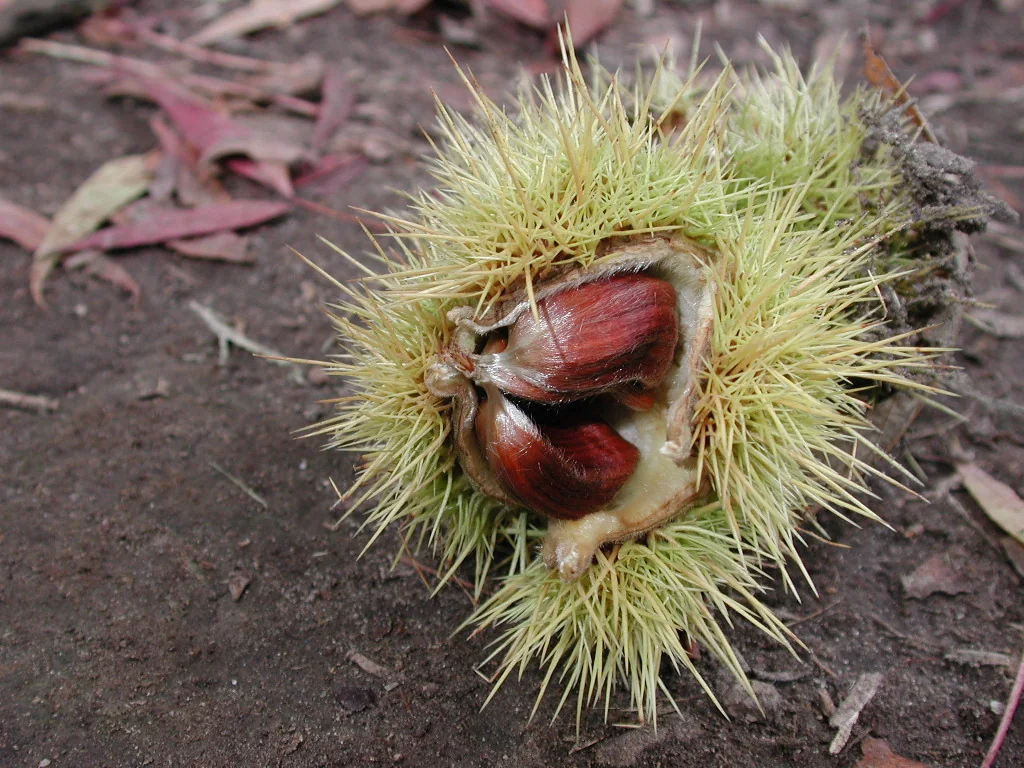
In October the chestnut appears in Italy at once as a forest fruit, a regional product and a reason for an outing. Anyone who wants to get to know its origins can choose three different routes: the chestnut forests of Piedmont, the marroni of Tuscany’s Mugello and the production villages in Campania. The official tourism and agricultural sources each tell a different story. Place, cultivation and preparation shape the story of each area.
Piedmont offers a concrete starting point in Cuneo. The organiser holds the 27th Fiera Nazionale del Marrone there from 16 to 18 October 2026. According to the programme, stalls will stand on Piazza Galimberti, Via Roma and Piazza Virginio, among others. The organiser also mentions cooking and educational activities, talks, performances and concerts. The programme distinguishes the fair days from the times of individual workshops and lectures.
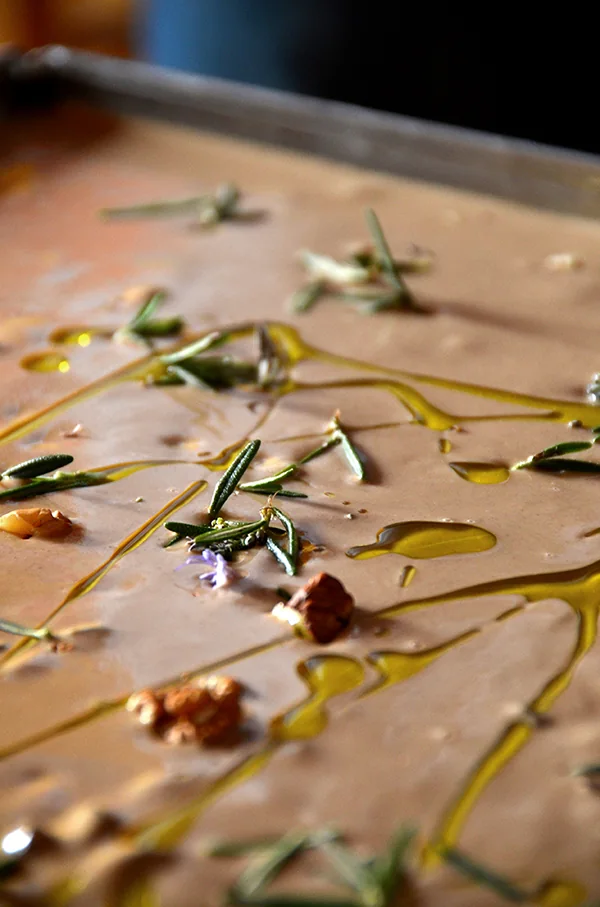
Outside the city, the Sentiero del Castagno runs through the Roero. The Piedmont tourist board describes a walking route past vineyards, orchards, old chestnut forests and small chapels. The route touches Canale, Montà and Cisterna d’Asti. Along the route, old chestnut forests are part of the landscape. The route description gives no permission to gather fruit in private chestnut woods.
In Tuscany, the regional tourist board points to the Strada del Marrone di Marradi in the Mugello and to chestnut festivals in the Monte Amiata area. The Marrone del Mugello carries a protected geographical indication. Visit Tuscany describes how the product is eaten both roasted and boiled, but also ends up in castagnaccio and marrons glacés. At markets, alongside fresh marroni, chestnut flour and pastries from the same production chain appear.
The Tuscan source also distinguishes between a marrone from cultivated trees and chestnuts from non-cultivated trees. At regional markets, the words are therefore more than culinary decoration. The name of origin on a product says something about the defined production region; a village festival, by contrast, is an occasion to taste preparations on the spot. A walking path or festival calendar says nothing about the availability of an individual harvest.
Campania shows how many regional names hide behind the general word chestnut. The agricultural authority mentions the Castagna di Montella IGP from the Terminio-Cervialto area, including around Montella and Bagnoli Irpino. According to the region, the fruit is used fresh and dried, sold as caldarroste and processed into purée, jam or sweets. The same source mentions the local Castagna del Prete, a chestnut prepared in the oven. That is a different product from a fresh chestnut in its husk.
The Marrone/Castagna di Serino IGP and the Marrone di Roccadaspide IGP are also among Campania’s recognised names. The regional product page describes Serino as suitable for fresh consumption, roasted chestnuts and marrons glacés. For Roccadaspide it mentions, besides the fresh market, mainly processing into marrons glacés, jam and purée, among other things. Anyone who sees a name on a label in a shop or at a market can thus work out whether it is a regional product or a preparation, without lumping all Italian chestnuts together.
The fair in Cuneo has fixed days; the Roero route is a walk, not a foraging excursion. In Tuscany the name of origin and local preparations offer something to hold on to, in Campania the separate IGP products. The two images with this story show an opened chestnut husk and a dish made of chestnut flour from Tuscany; they illustrate the products and are not a report on the 2026 harvest.
Sources and image credits
- Fiera del Marrone, 2026 edition
- Fiera del Marrone, 2026 programme
- Visit Piemonte, Sentiero del Castagno
- Visit Tuscany, autumn in Tuscany
- Visit Tuscany, Marrone del Mugello IGP
- Visit Tuscany, chestnuts and traditions
- Regione Campania, Castagna di Montella IGP
- Regione Campania, Marrone/Castagna di Serino IGP
- Regione Campania, Marrone di Roccadaspide IGP
Image credits 1
Photo: Pseudopanax / Wikimedia Commons · Public domain · Beeldbron

Image credits 2
Photo: Sara Varlani / Wikimedia Commons · CC BY-SA 2.0 · Beeldbron

Euro Magazine · 13 October 2026
1:
2:
3:
4:
5:
6:
7:
8: