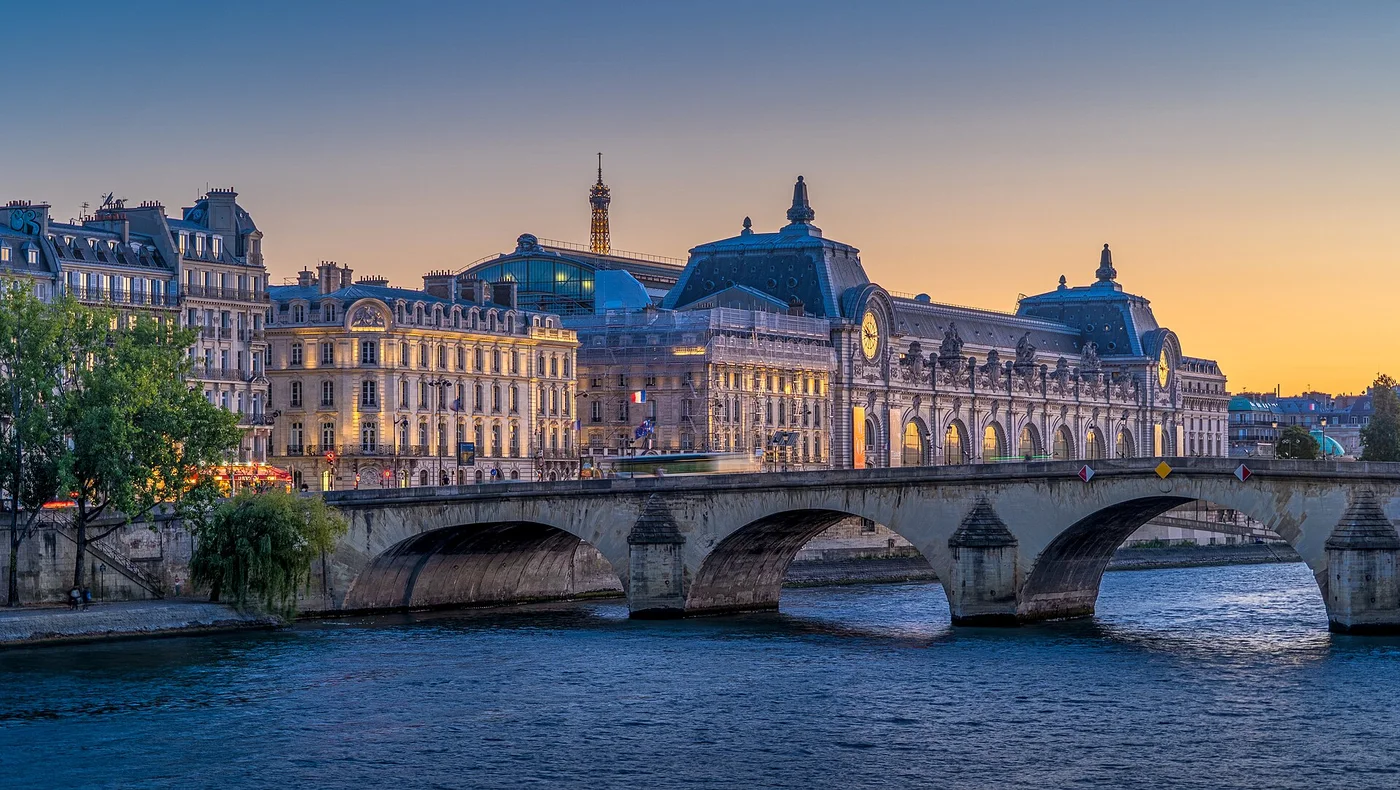
Musee d'Orsay: a station too short for the train
The building went up for the 1900 World's Fair and within a few decades was unusable. That very failure saved it.
On the left bank of the Seine stands a building that from the outside is still a station. Great arches, a clock in the facade, a hall with a spanning roof. It is just that no train has run into it for a very long time.
The Gare d'Orsay was built between 1898 and 1900, in Beaux-Arts style, in the run-up to the World's Fair. It was intended as a terminus in the middle of the city.
Why it did not work
A station in a city centre has a fixed limitation: the platforms are as long as the space available, and that space does not grow.
Trains became longer in the twentieth century. The platforms at Orsay stayed the same. What had been built as a modern station became, within a few decades, too short for the rolling stock that had to use it.
That is not a design error in the usual sense. The building did what it had to do; the requirements shifted underneath it.
What happened to it next
A large, empty, dated station building on an expensive site is normally a candidate for demolition. In many European cities that is the way things went.
Not here. In 1986 a museum opened in the building, devoted mainly to French art from the period between 1848 and 1914: painting, sculpture, furniture and photography. It houses the largest collection of its kind.
Why the building suits the collection
That is not chance but a happy coincidence, and it deserves an explanation.
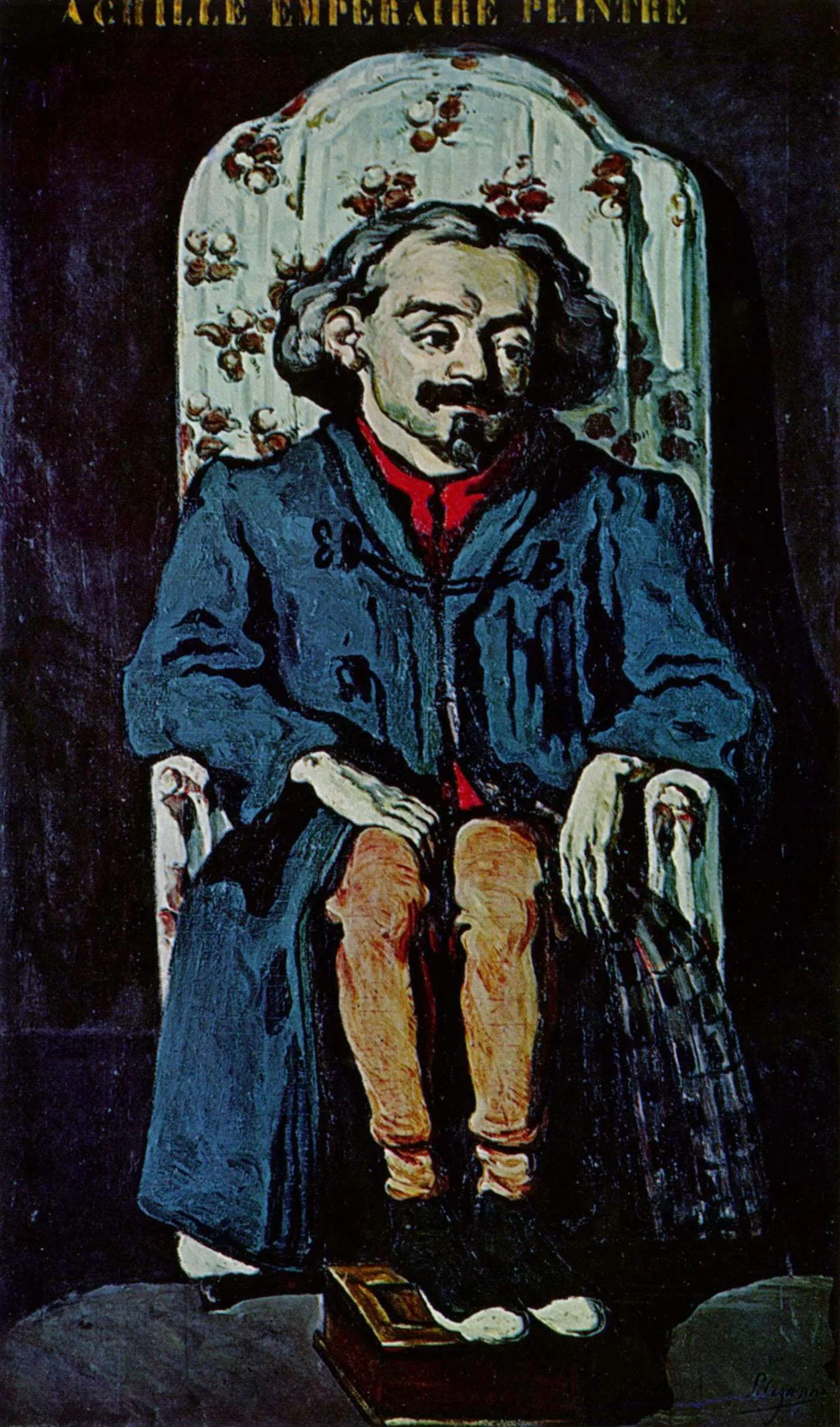
The period 1848 to 1914 is exactly the time in which stations like this were built. The building is a contemporary of the art that hangs in it. The iron structure, the glass roof, the scale: that is the same nineteenth century that is on the canvases.
There is also something practical. A station hall is one large space with daylight from above. That is more useful for a museum than it sounds, because painting from that period was made for daylight, not for spotlights.
What it says about reuse
Orsay is often cited as an example of successful reuse, and it is one. But the lesson usually drawn from it, that old buildings should be given a new function, is too general to be worth much.
It worked here for a specific reason: the new function called for exactly the qualities that had made the building useless for its old one. A platform hall that is too short is a disaster for a railway company and a gift for a museum.
So anyone wanting to reuse an empty building should not look for something that could also fit inside, but for something for which the limitation is an advantage.
And the clock
The best-known image of the museum is the view through the great station clock, from inside, with Paris behind it.
That is not a museum intervention. The clock was in the facade because travellers needed to know the time. That visitors now look through it towards the Sacre-Coeur is the chance result of a building that outlived its original purpose.