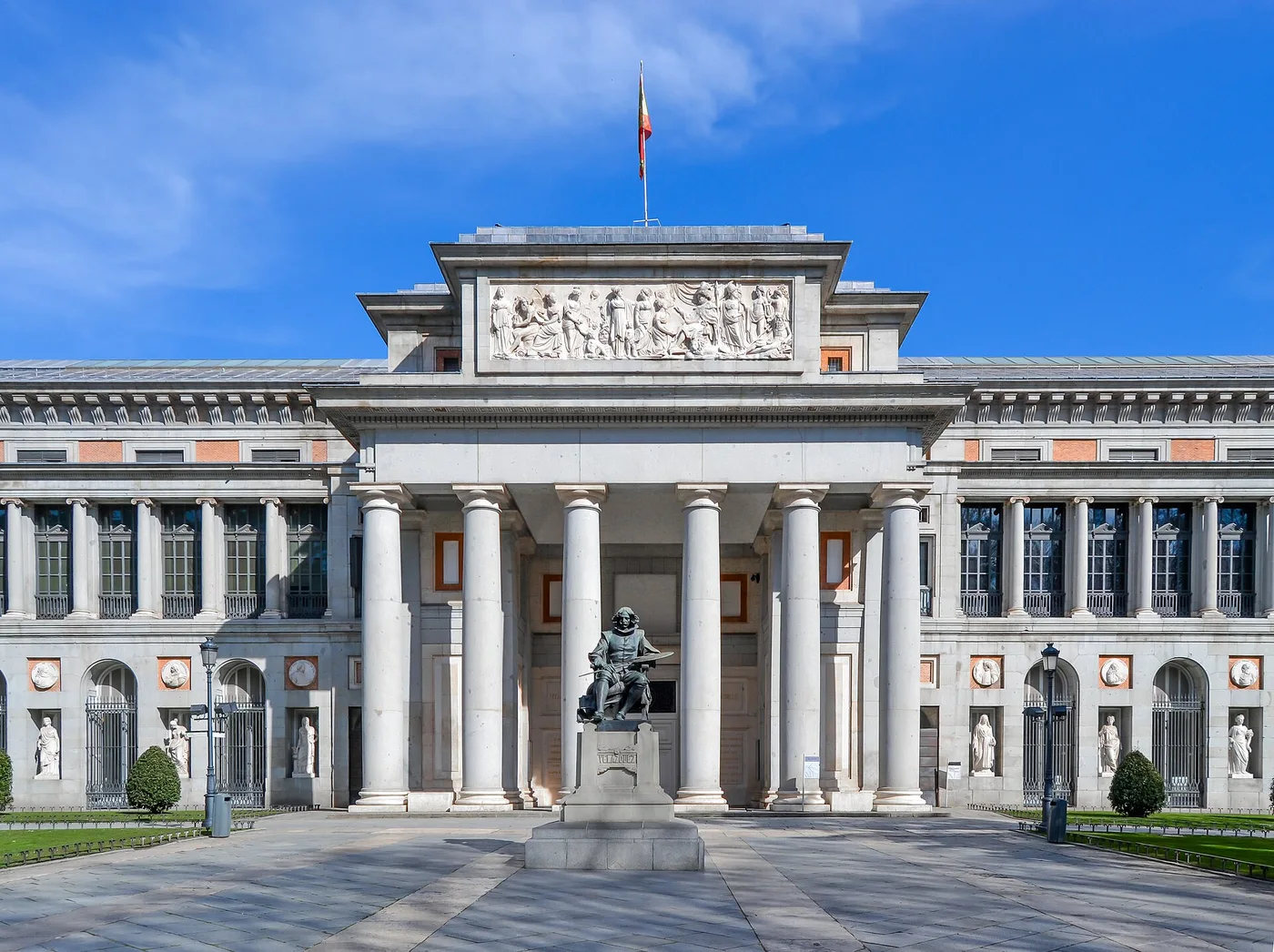
The Prado: a court painter who bought his own museum
The collection in Madrid is built on what the Spanish crown owned. A large part of it was acquired by the man who hangs on its walls himself.
The Museo Nacional del Prado was founded on 19 November 1819 as a museum of painting and sculpture. The building was designed by Juan de Villanueva, and the collection came from the former Spanish royal collection.
That last fact determines everything about this museum: what hangs there, what does not, and why on a number of points it is stronger than larger museums.
What makes a court collection different
A museum built from purchases reflects the taste of collectors and the market of their time. A court collection reflects something else: what a dynasty wanted to own, and what it could get.
For Spain in the sixteenth and seventeenth centuries that meant a great deal. The empire reached into the Low Countries and Italy, and that is directly visible: beside Spanish masters hang Flemish, Venetian and German painters, because those regions lay within the same political sphere.
The collection covers European art from the twelfth century to the early twentieth, and is regarded as the finest collection of Spanish art there is.
The role of Velazquez
Here lies the detail that sets the Prado apart. Diego Velazquez was court painter, but his task was broader than painting.
He was partly responsible for acquiring a large part of the collection. He travelled, bought, advised on what the crown should have, and so decided which works ended up in Madrid.
That is an unusual coincidence: one of the museum's most important painters helped decide what else would hang there. Walking through the Prado, you see not only his work but also his eye.
The great names
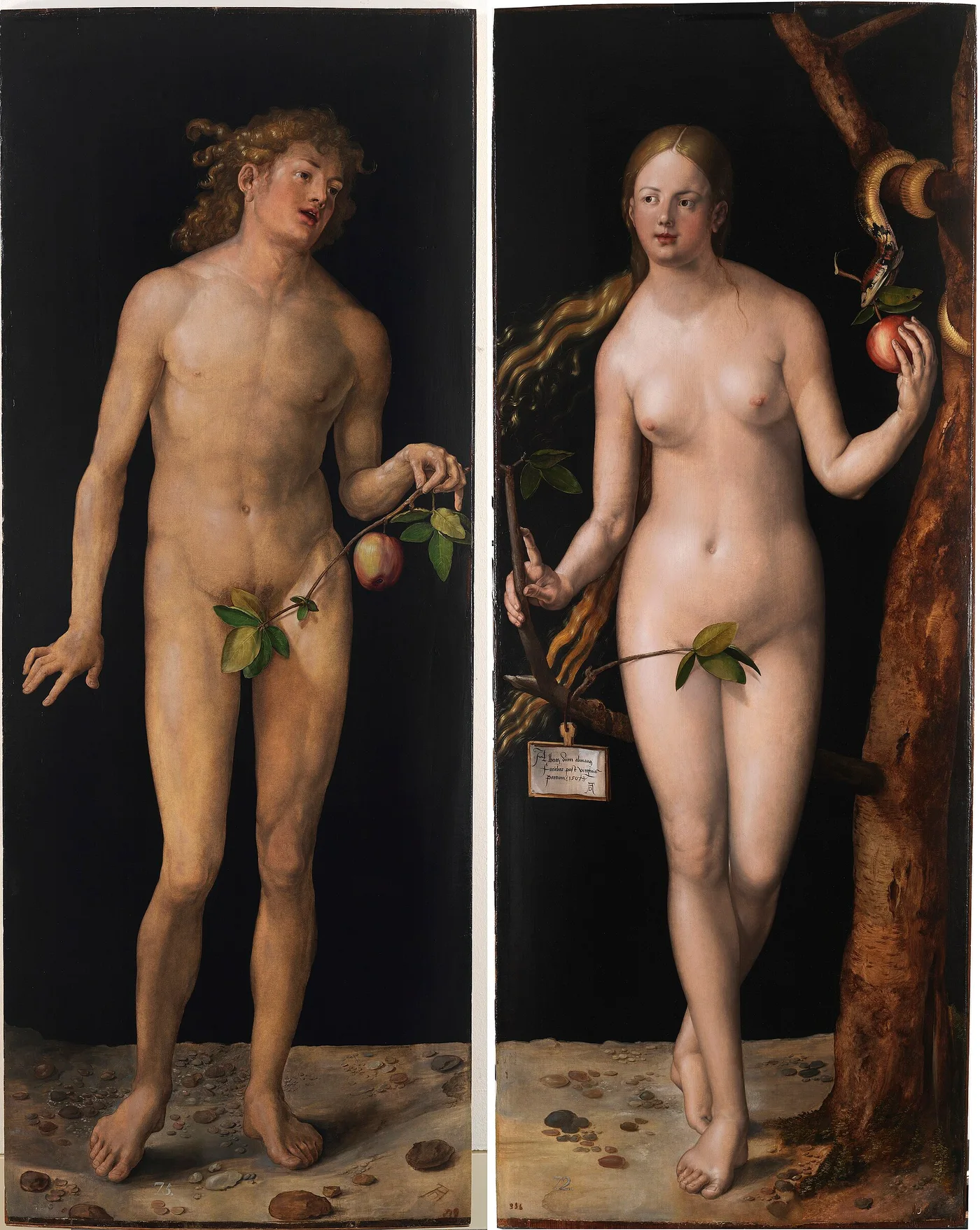
Goya is the most extensively represented artist in the museum. Alongside him hang Hieronymus Bosch, El Greco, Rubens, Titian and Velazquez himself.
That Bosch is so strongly present here surprises visitors who think of him mainly as Dutch. The explanation is again political: Spanish monarchs collected his work, and the Low Countries belonged to the empire.
With Goya it is different. He was not bought as a foreign trophy but was there himself, as court painter, and the museum therefore holds his development in its full breadth, from courtly portraits to the late, dark works.
What the museum is not
In 2023 it received 3,337,550 visitors, placing it thirteenth worldwide. That is considerable, and it is a fraction of what the Louvre draws.
That difference says little about quality and a lot about what kind of museum this is. The Prado is deep rather than broad: it does not cover world history but one period and one sphere, and it does so with works that have largely stayed in one place since they were made or bought.
Anyone used to a large museum being an encyclopaedia should expect something else here. This is not an overview of everything, but the entire possessions of one court, opened to the public.