Europe wants uniform methane reporting. What is actually being measured?
A new draft from the European Commission concerns reporting forms for the energy sector. The measuring requirement already exists in law; the same table is not yet a sealed leak.
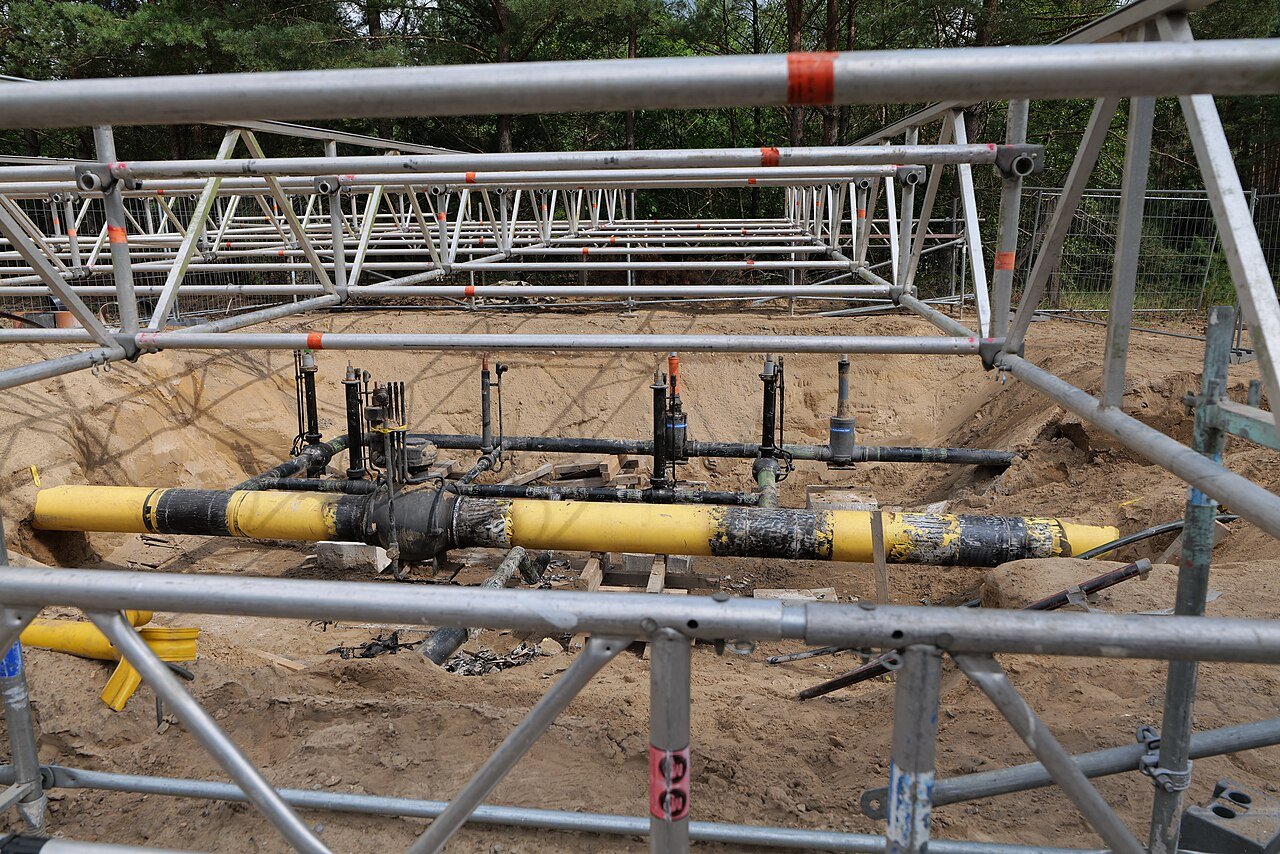
A natural gas pipeline can lose methane without anyone noticing. To reduce such emissions, it must first be clear where and how much gas escapes. Since 2024, the European Union has had rules for measurement, monitoring, reporting and leak detection in the energy sector. The European Commission has now published a draft for common reporting forms. That sounds administrative, but the choice of fields determines which figures can later be compared side by side.
The core of the draft is a single way of submitting reports. Operators and companies must, under the existing methane regulation, report emissions data to the competent authorities in the country of an installation. The proposed implementing act provides templates for the reports that the law requires in various articles. The Commission wants to prevent comparable data from arriving in widely differing national formats. A uniform form makes a figure easier to understand and verify, but it does not retroactively change what an installation has emitted.
The consultation is still open. Stakeholders could respond for four weeks from the announcement, with 6 November 2026 as the closing date. The Commission plans to adopt the implementing act by the end of 2026. On 15 October, then, it is a draft, not a final new obligation with forms already filled in. The underlying EU regulation from 2024 is in force. That distinction matters: a company may already have measurement and repair obligations while the detailed form of a report is still being worked out.
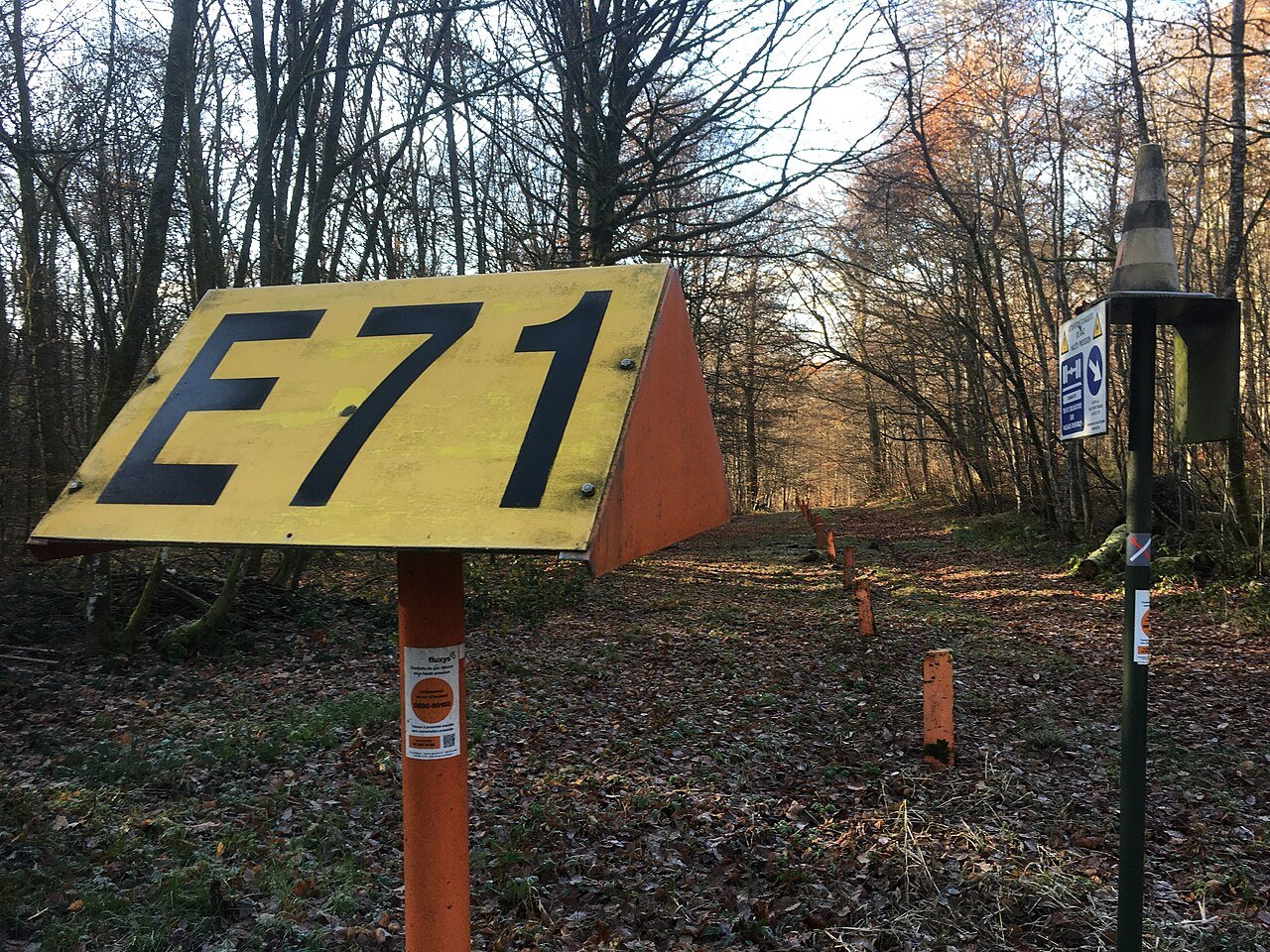
The proposals take existing national inventories and technical guidelines into account. They also align with the reporting models of the Oil and Gas Methane Partnership 2.0. In this way, the Commission is trying to bring data from multiple sources into a single system. The planned transparency database is then meant to make information more accessible to regulators and the public. How useful that database becomes depends on the quality of the underlying measurements, on verification and on how differences between installations are explained.
Methane has a strongly warming effect. The Commission describes it as an important contributor to climate change after carbon dioxide. The existing EU rules therefore go further than forms: oil and gas companies must inspect equipment for leaks and repair the leaks they find. Routine venting and flaring of methane are also subject to restrictions. The new draft concerns the reporting of such emissions and actions, not a sudden new ban on every emission from the moment the consultation closes.
A well-completed report can make a leak visible and make later measures verifiable. The report itself, however, does not prevent any emissions. For a real reduction, measurements must be reliable, leaks must be fixed and authorities must be able to assess compliance. That is why the proposal is relevant both technically and politically: it determines how an existing climate rule is translated into comparable data. On 15 October, the main question is how that draft will be tightened after responses.
Sources and image credits
- Europese Commissie — ontwerp methaanrapportage, 12 oktober 2026
- Europese Commissie — methaanregels energiesector
Image credits 1
Photo: Leonhard Lenz / Wikimedia Commons · CC0 1.0 · Image source

Image credits 2
Photo: Hombre del rio / Wikimedia Commons · CC0 1.0 · Image source

Euro Magazine · 15 October 2026
1
2
3
4
5
6