Galleria dell'Accademia in Florence: how the museum of the David protects its heritage
During the European Heritage Days on 26 and 27 September 2026, the Florentine museums of GAMB show how they protect their collections. From the David to the instruments of the Medici and two bronze grand dukes.
On Saturday 26 and Sunday 27 September 2026, the Florentine museums of GAMB are taking part in the European Heritage Days. The Galleria dell'Accademia di Firenze announced this in its programme. Besides the Accademia, they include the Museo Nazionale del Bargello, the Museo delle Cappelle Medicee and the Museo di Palazzo Davanzati. Together they offer twelve themed half-hour tours, given by the museums' art historians together with the gallery staff.
The theme ties in with this year's national and European theme. The Italian Ministry of Culture, which coordinates the Heritage Days in Italy, sums it up as "Proteggere il patrimonio. Rinnovare, resistere, reinventare": protecting heritage by renewing, resisting and reinventing. The ministry describes the Heritage Days as an initiative of the Council of Europe and the European Commission. On the European website the theme is "Heritage at Risk: Revive, Resist, Reimagine".
A museum built around the David
The Galleria dell'Accademia grew out of an art academy. In 1784 Grand Duke Pietro Leopoldo of Tuscany reformed the Accademia delle Arti del Disegno, which Cosimo I de' Medici had founded in 1563, into a modern Academy of Fine Arts, the museum explains. The collection grew when churches and monasteries were suppressed, in 1786 on the orders of Pietro Leopoldo and in 1810 on the orders of Napoleon.
The decisive moment was the arrival of Michelangelo's David. The marble statue, made between 1501 and 1504, stood on the Piazza della Signoria. The sculptor Lorenzo Bartolini warned as early as 1842 that the statue was deteriorating in the wind and weather, writes the Tuscany region on its portal intoscana. In 1866 a commission established that moving it was urgent.
Between 30 July and 8 August 1873 the statue travelled on rails to the Accademia on a wooden and iron frame, writes intoscana. There the David waited another nine years in a wooden crate until the Tribuna was ready, the hall that the architect Emilio De Fabris designed for the statue. The present Galleria dell'Accademia was founded in 1882, the museum reports.
Protecting also means keeping up
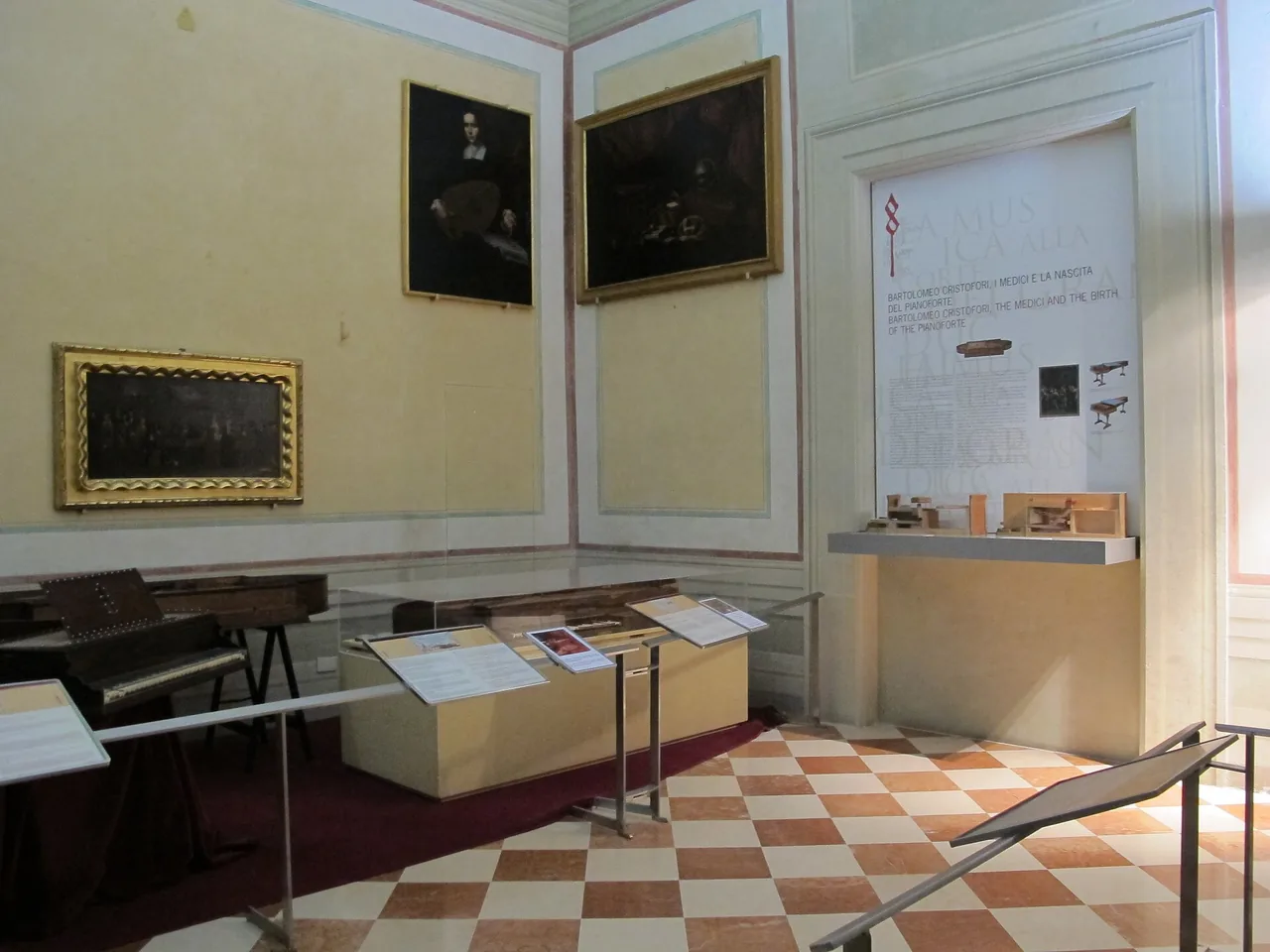
What protection means in practice is shown by the rest of the programme. At the Accademia, Elvira Altiero looks at the collection between museum display and restorations. Alessandra Nardi explains how the museum keeps and restores musical instruments, and Silvia De Luca follows polyptychs from the church to the museum.
Those instruments are special. The museum displays around fifty musical instruments from the collections of the grand dukes of the Medici and Lorena families, gathered between the second half of the seventeenth and the first half of the nineteenth century. They include a viola and a cello by Antonio Stradivari, from a quintet he made in 1690 for Grand Prince Ferdinando de' Medici, and an oval spinet by Bartolomeo Cristofori.
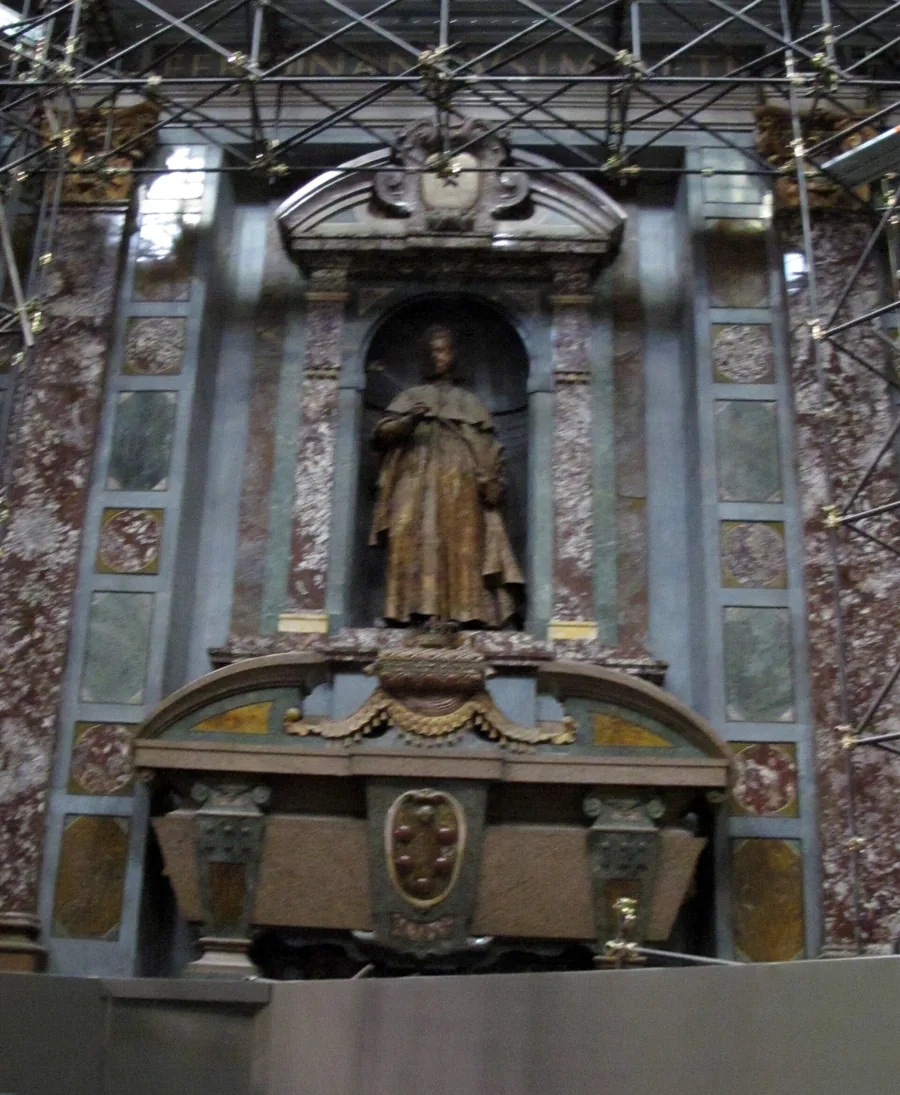
In the Cappelle Medicee, Federica Franci talks about the restoration history of two bronze statues: Grand Duke Ferdinando I and his son Cosimo II in the Cappella dei Principi. These statues have just been treated. Dust and fine pollution had dulled the colour of the bronze, GAMB reports. On Ferdinando I the surfaces were cleaned, partly with controlled jets of steam. To be able to clean properly, the crown was temporarily removed, and conservators saw that the fixing of the head had sagged slightly. It has been secured. Cosimo II, already restored in 2015, was mainly dusted and checked.
The statues are more than three metres tall. Pietro Tacca worked on them between 1626 and 1634. Cosimo II was finished in 1631; Ferdinando I was only completed in 1646 by Tacca's son Ferdinando. "Intervening on works of this importance means taking full responsibility for their preservation and their transmission to future generations," said GAMB director Andreina Contessa at the presentation.
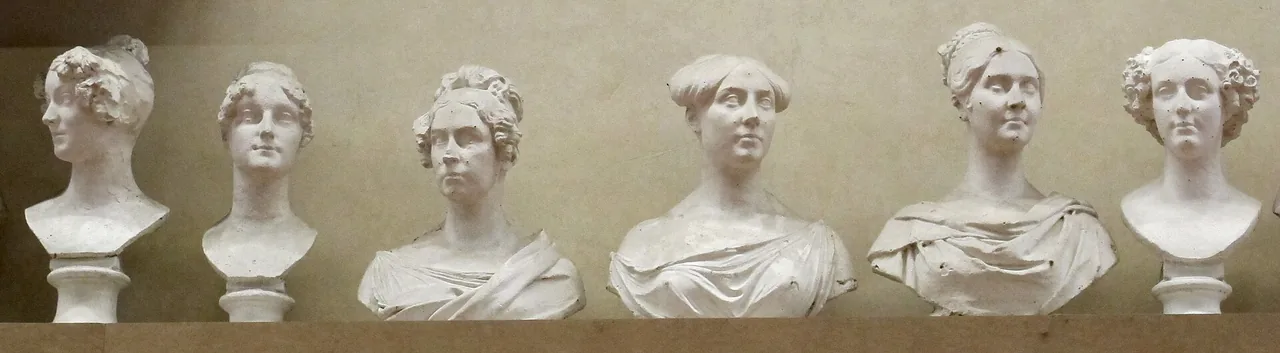
A row of white plaster busts of women on a shelf in the Gipsoteca Bartolini of the Galleria dell'Accademia in Florence. · Francesco Bini, CC BY-SA 4.0