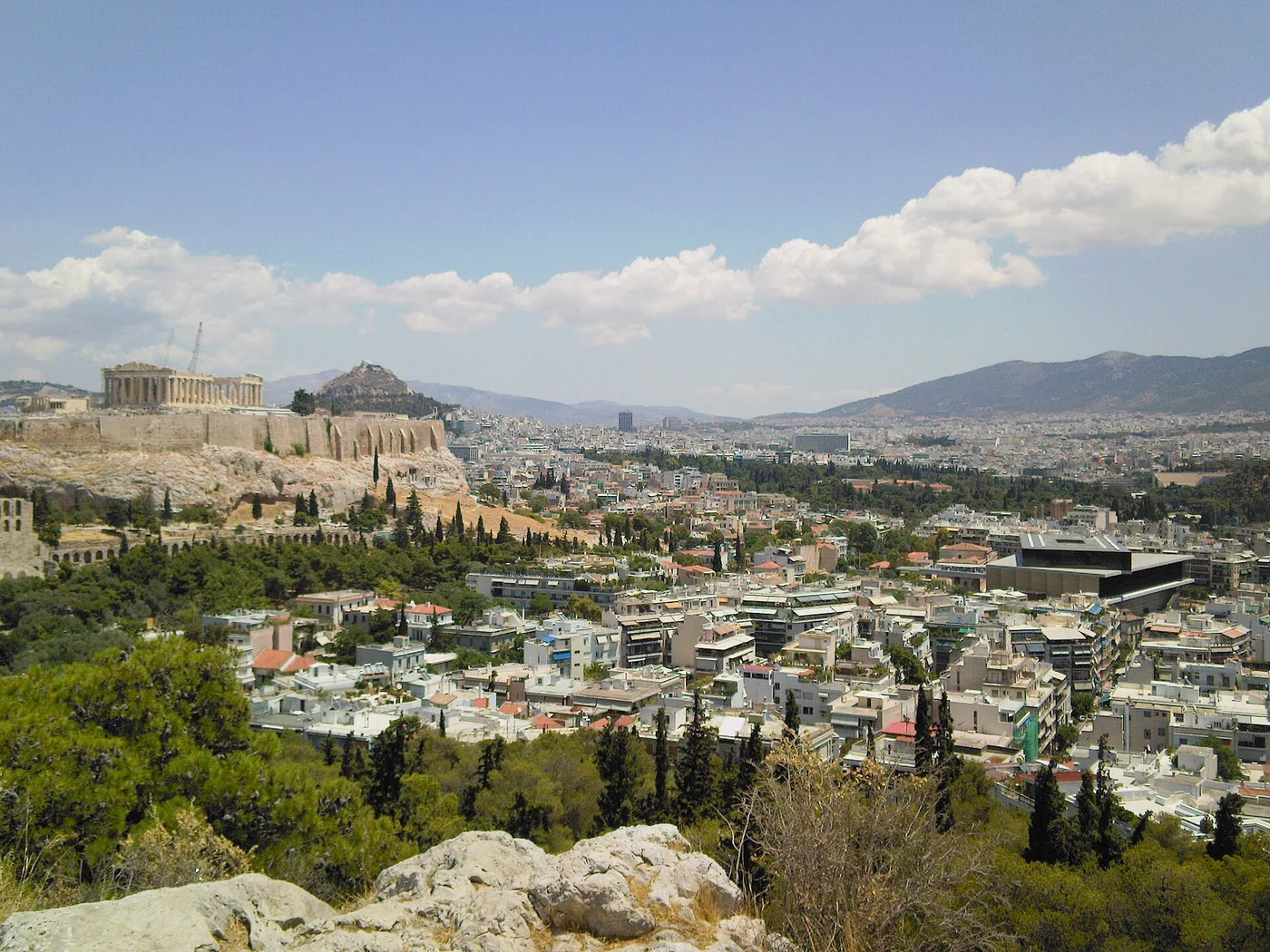
The Acropolis Museum: a building as an argument
This museum was not built just to show sculpture. It was built to refute an objection, and that intent can be read in every room.
The Acropolis Museum in Athens opened on 20 June 2009. It is a museum with a double brief, and the second is unusual: it had to demolish an argument.
The objection
The Parthenon Marbles, the sculptures taken from the Parthenon that are largely in London, have long been fought over.
One of the objections to their return was that Greece had no suitable place to display them. That is an argument about conservation conditions, climate control and presentation, and as an argument it is hard to refute with words.
You can, however, refute it with a building. Creating a gallery for those sculptures was therefore decisive for all recent design proposals for a new museum.
How it turned out
The limited competition was won by the New York-based architect Bernard Tschumi, together with the Greek architect Michael Photiadis.
The top floor is the heart of the answer. With its form and proportions that hall echoes the Parthenon, follows the temple's orientation, and lies within sight of the Acropolis. The sculptures stand there in the positions and order in which they were on the building, with daylight coming through glass walls.
Where a piece is missing because it is elsewhere, there is a cast, or the space is left open. That is the sharpest sentence a museum can speak without saying anything. You see the gap.
What turned out to lie beneath the floor
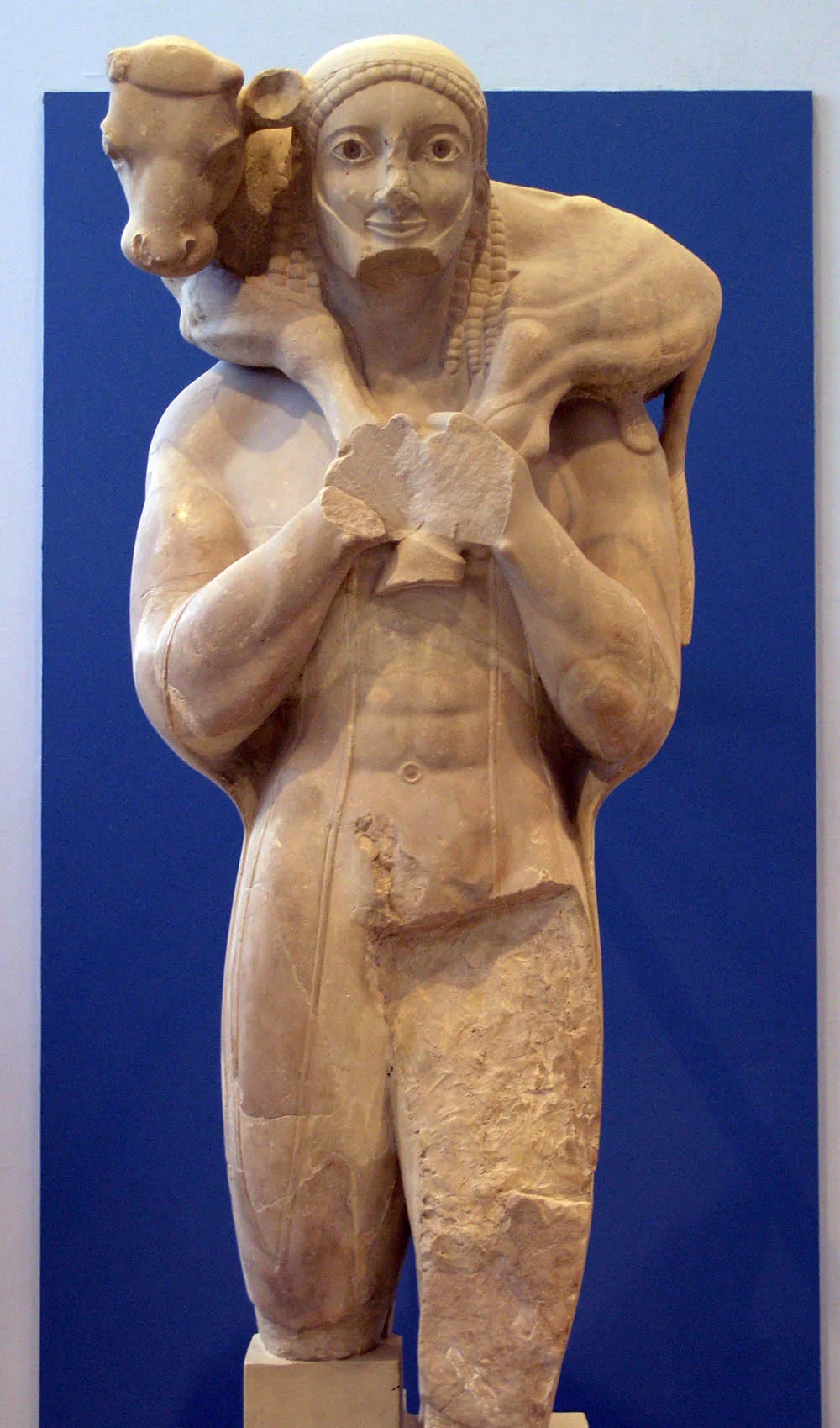
During construction a problem surfaced that rarely fails to appear in Athens: something was already there.
Excavations uncovered two layers of modest houses and workshops along a road, one of them from the early Byzantine period. No temples or palaces, but ordinary houses of ordinary people.
That could have become a debate about demolition or relocation. Instead the museum was set over it, on pillars, with glass floor panels through which you look down on it as you walk in.
In doing so the building does something it did not have to do. It shows the sculptures of the Acropolis and the street where daily life went on, and lets the visitor literally walk over the second on the way to the first.
Why this museum is different from others
Most museums are neutral in their conception: a collection has to go somewhere, and a building is put around it.
Here it is the other way round. The building takes a position and the collection proves it. Every design choice, the dimensions of the top hall, the view of the Acropolis, the daylight, the empty spaces, can be read as a sentence in a case that has been argued for two centuries.
That makes it unusually purposeful as architecture, and it also explains why visitors who care nothing about the issue still pick something up from it. You do not need to know the dispute to notice that something is missing.