Ceuta lies in Africa. Why is the city outside the European customs territory?
A visit by the Spanish royal couple has put Ceuta back in the spotlight. Here, Spain’s border is also a special trade border.
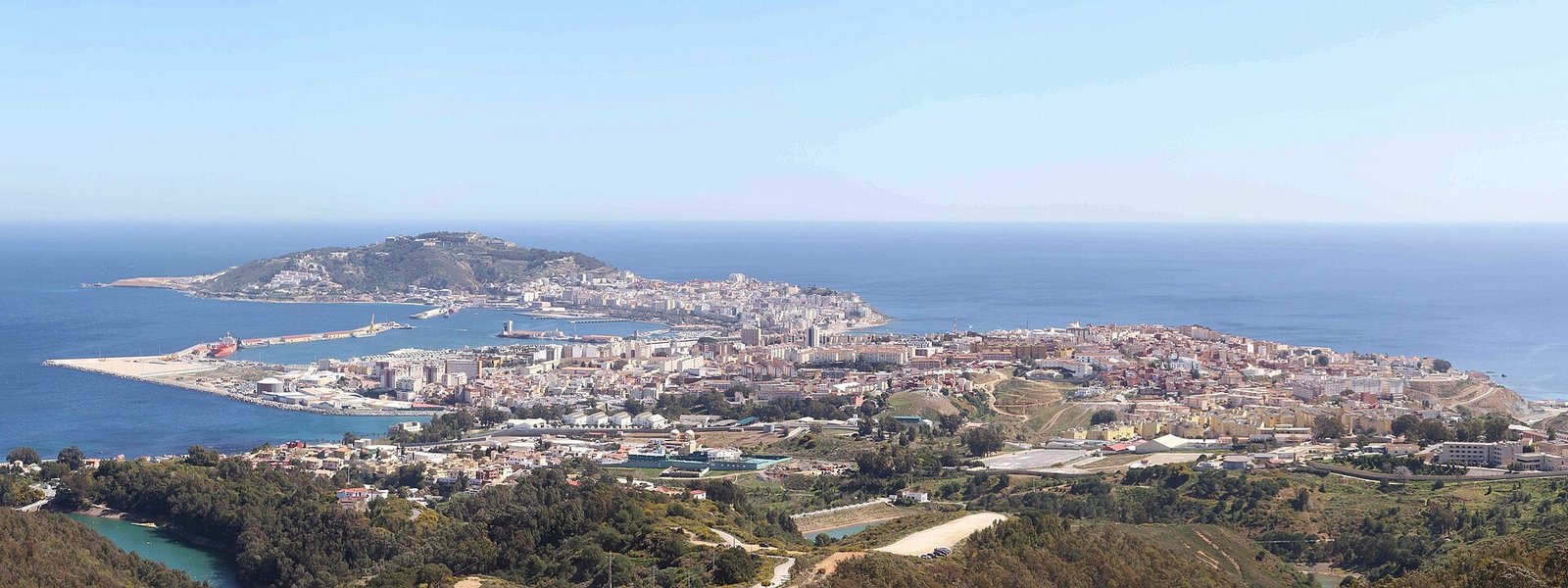
Anyone running a finger across a map of Europe will not find Ceuta between Madrid and the Mediterranean. The Spanish city lies on the North African coast, next to Morocco. Yet it is part of Spain. King Felipe and Queen Letizia visited the city on 14 October, more than two months after a major border crisis. NOS reports that attention to the city on the Spanish mainland then faded. Its location also raises a practical question: which rules apply to goods travelling from here to Europe?
Ceuta is Spanish territory, but it does not belong to the customs territory of the European Union. That is not a geographical mistake, nor does it suggest that the city falls outside Spain. It is a separate legal choice within European trade rules. The European Commission therefore describes separately which rules of origin apply to trade between Ceuta, Melilla and the EU customs territory. The origin of a product can determine whether it qualifies for an exemption from customs duties.
At the same time, the European Commission describes an important exception. Products originating in Ceuta or Melilla are exempt from customs duties when imported into the EU customs territory. The same applies in reverse to products of EU origin going to the two cities. The word origin does real work here: the place a product is shipped from is not automatically the place where, under the rules, it was made. To establish that origin, the Commission refers to separate preferential rules.
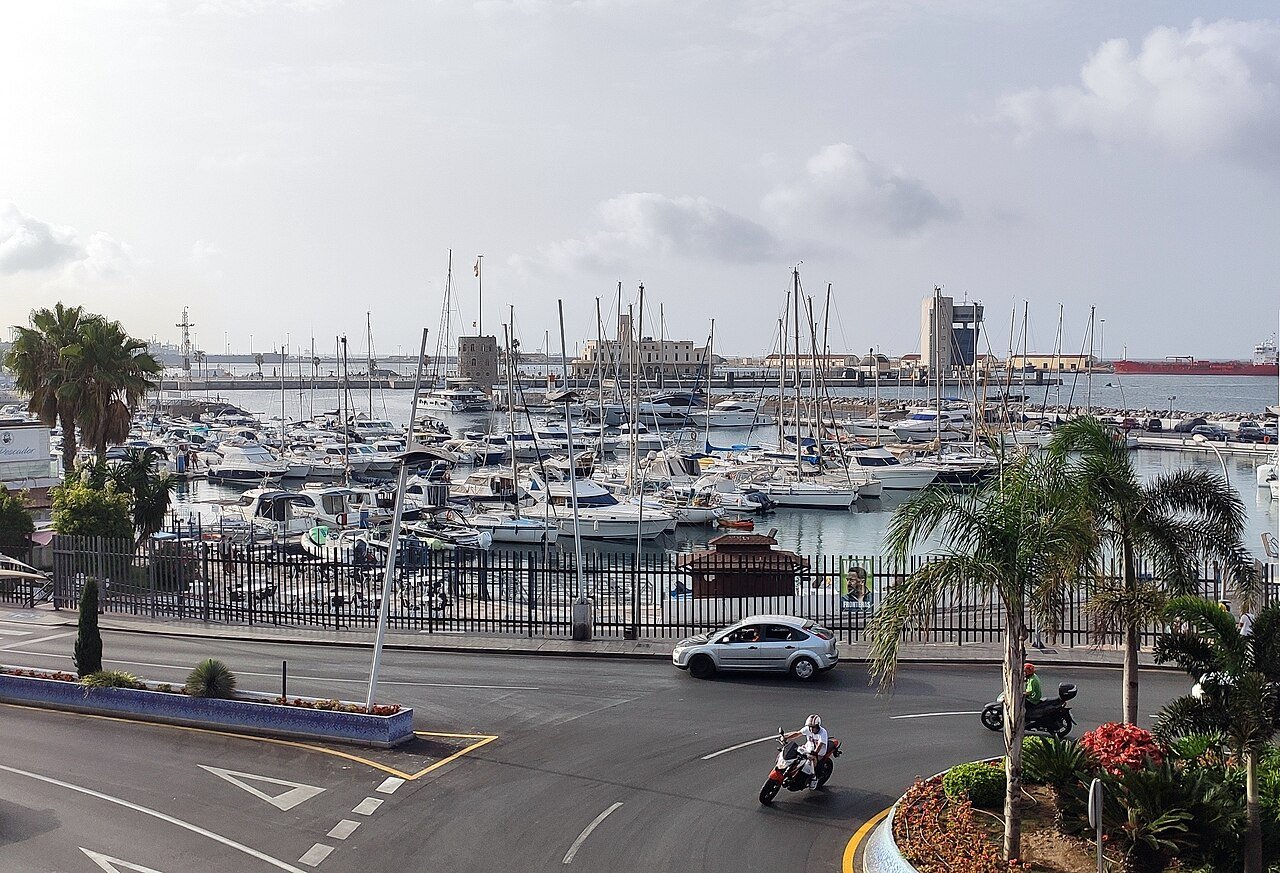
Trade with countries outside the Union also has its own arrangements. According to the Commission, most of the EU’s reciprocal free trade agreements provide that goods from Ceuta and Melilla receive the same treatment in partner countries as goods originating in the EU customs territory. Conversely, in Ceuta and Melilla, goods from such partner countries are subject to the same customs arrangements as EU goods. The Commission also points to cumulation: materials from different countries can, under certain conditions, count towards origin. Only one cumulation system can be used per product.
That special position does not tell the whole story of the city. During the visit, the royal couple spoke with residents and officials about the border crisis of late July. According to NOS, more than 70,000 people entered Ceuta from Morocco at that time. According to NOS, residents were angry because they felt the Spanish mainland had not supported them enough. The trade regime does not explain the causes of the border crossing. The border is also a place where residents, officials and the Spanish state are dealing with the consequences of that crisis.
During the visit, according to NOS, the king and queen spoke with residents and officials about the events of late July. They also visited a school and an Islamic cemetery. There they commemorated 141 people who died trying to reach Ceuta; according to NOS, aid organisations believe there were more victims. The next day, the royal couple was due to travel on to Melilla, the other Spanish city on the North African coast.
Sources and image credits
- NOS — Spaans koningspaar bezoekt Ceuta, 14 oktober 2026
- Europese Commissie — Douanestatus Ceuta en Melilla
Image credits 1
Photo: Mario Sánchez Bueno / Wikimedia Commons · CC BY-SA 2.0 · Image source

Image credits 2
Photo: Américo Toledano / Wikimedia Commons · CC BY-SA 4.0 · Image source

Euro Magazine · 15 October 2026
1
2
3
4
5
6