Paris protests: why does it not stop at the school gate?
Pupils and students started out with concerns about education. The demonstrations now also draw people with other grievances. No single figure captures this movement.
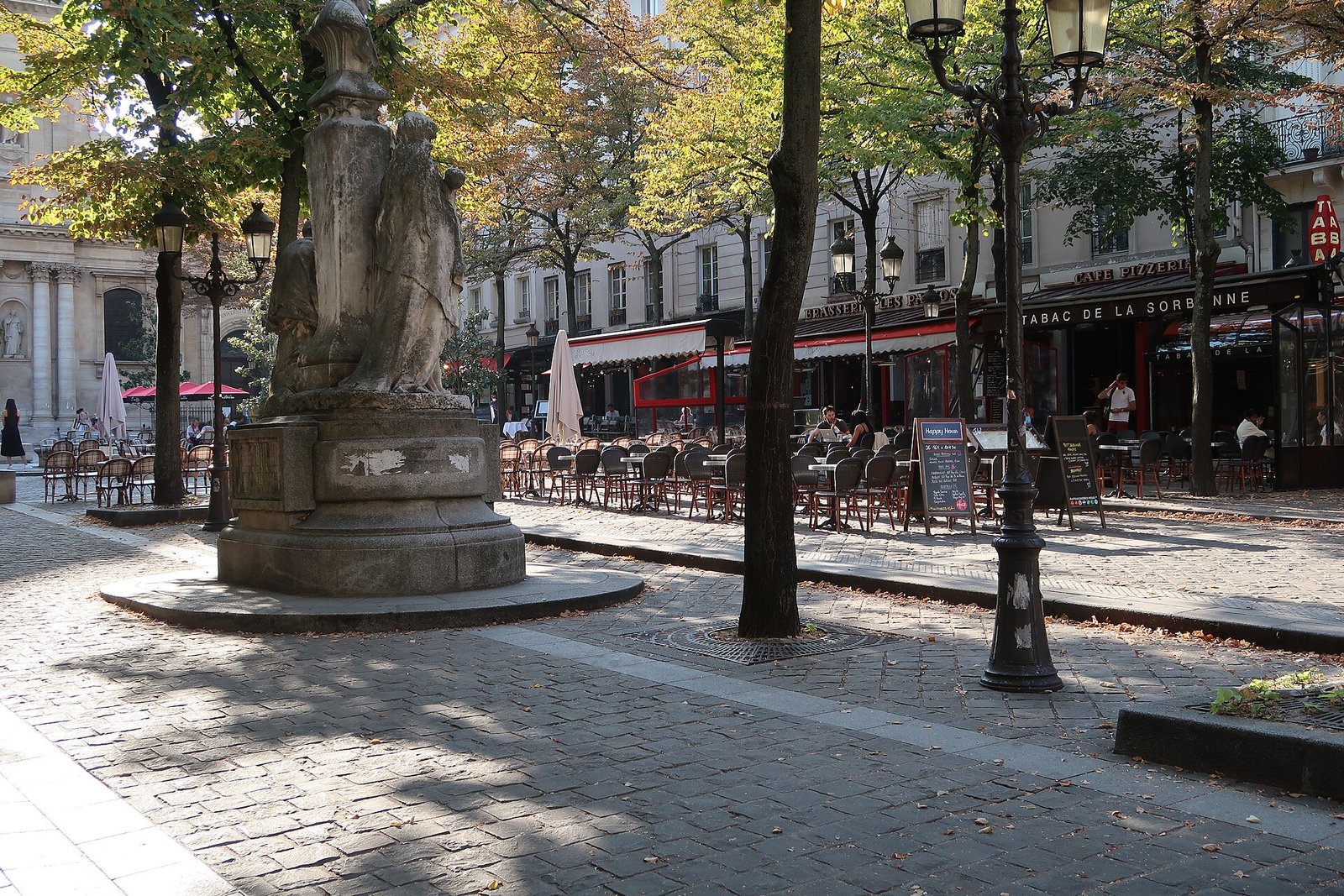
Early in the morning, a blockade was already in place at a Paris university. Later, students and teachers marched to the official residence of the French prime minister. The actions of 13 October are part of a protest movement that, according to NOS, began among school pupils and then broadened. Education remains the starting point, but rising housing costs, fuel prices and discontent with government policy have been added. As a result, a demonstration no longer has one obvious demand, let alone one organisation speaking on behalf of everyone.
Student unions have presented the Ministry of Education with ten demands, including more investment. That is a formal route alongside blockades and marches. According to NOS, politicians from La France Insoumise also joined the protests, and yellow vests called on people to take part. NOS also describes how Greta Thunberg joined a protest at a secondary school in Saint-Denis. Trade unions announced a large-scale protest for Saturday, with broader discontent at its centre.
According to the French education ministry, the weighted average participation in the day of action among education staff was 3.71%. For teachers it gave 4.52%; among school life staff the reported share was 10.31%. The ministry says the figures at that point came from most of the academies; Toulouse and a few overseas territories were still missing. These percentages measure work stoppages among staff within that count. They do not measure how many pupils, students or other citizens were out on the streets.
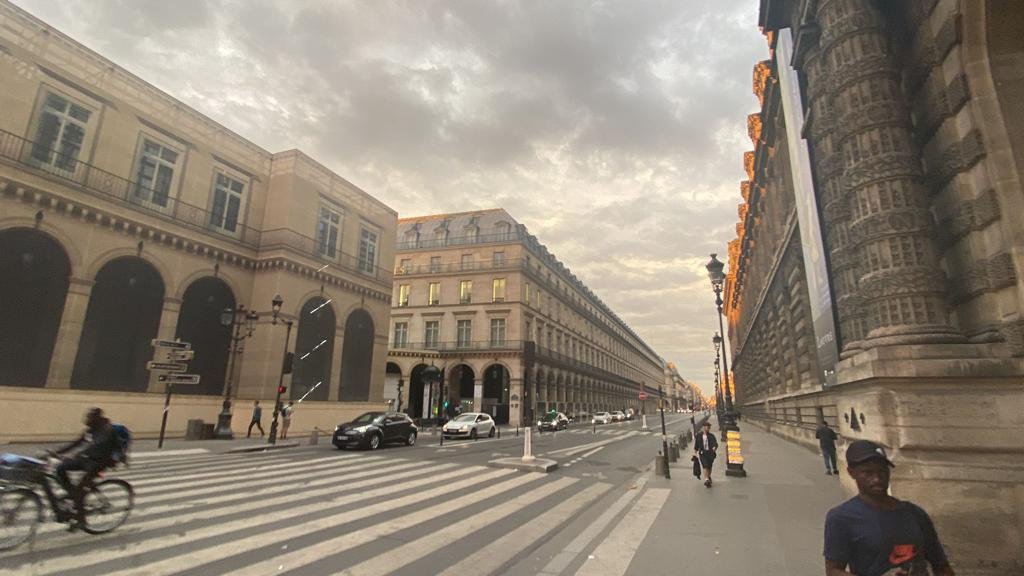
The difference between street and statistic matters. A busy square can give the impression in a picture that almost everyone is taking part; a low strike percentage can give the impression that the movement is small. Both images can exist at the same time because they count different things. On 13 October, NOS described a march and gatherings in several places. A national estimate of all demonstrators would require a separate, verifiable counting method. The education ministry does not provide one for the street demonstrations.
There are also differences of opinion within the movement about its form. A student who spoke to NOS supports the demands but expressed difficulty with blockades whose purpose is not always clear. That is the view of one participant, not a verdict from all students. According to NOS, a politician from La France Insoumise accused the police of heavy-handed action. Such an accusation must be attributed to the speaker; on its own it does not prove how each police intervention went.
The student unions have submitted ten demands to the ministry. According to NOS, on 13 October the ministry had not yet responded substantively to those demands. The same day, however, the ministry did publish participation figures for its own staff in most academies. That left two different documents on the table: demands about education policy and a count of strikers. Neither gives a total of all the people who demonstrated in Paris or elsewhere.
Sources and image credits
- NOS — Frans scholierenprotest groeit uit, 13 oktober 2026
- Frans ministerie van Onderwijs — deelnamecijfers 13 oktober 2026
Image credits 1
Photo: Polymagou / Wikimedia Commons · CC BY-SA 4.0 · Image source

Image credits 2
Photo: Mz.Akosua / Wikimedia Commons · CC BY-SA 4.0 · Image source

Euro Magazine · 15 October 2026
1
2
3
4
5
6