Pompeii: what archaeologists and conservators are doing now in the excavated city
On Friday 25 September 2026, researchers from the Archaeological Park of Pompeii talk about their work. How you maintain a city that has been excavated since the eighteenth century, and where digging is still going on.
On Friday 25 September 2026, the Archaeological Park of Pompeii is taking part in European Researchers' Night. In the park's Giuseppe Fiorelli library, archaeologists, conservators, anthropologists, engineers and architects will talk about their ongoing projects in short, continuous conversations, the Parco archeologico di Pompei reported on 22 September. The park calls the ancient city an open-air research laboratory.
If you read the list of topics, you see what actually goes on in Pompeii, far from the famous frescoes: mapping excavations, combing through archives, maintaining walls, protecting paintings.
A city that has been excavated for centuries
The eruption of Vesuvius in the year 79 buried the Roman cities of Pompeii and Herculaneum. Since the middle of the eighteenth century they have been excavated step by step and opened to the public, writes the Italian Ministry of Culture. In Pompeii, according to the ministry, the excavated area covers 44 hectares. Since 1997, according to the ministry, Pompeii, Herculaneum and the villas of Torre Annunziata have together been on the World Heritage List.
All those excavations have a history of their own. At the research evening, Pia Kastenmeier and Fiona Proto will use a new digital atlas of the park to show when each part of the city was excavated. Rosanna De Simone will talk about the papers of earlier Pompeii researchers in the park's historical archive.
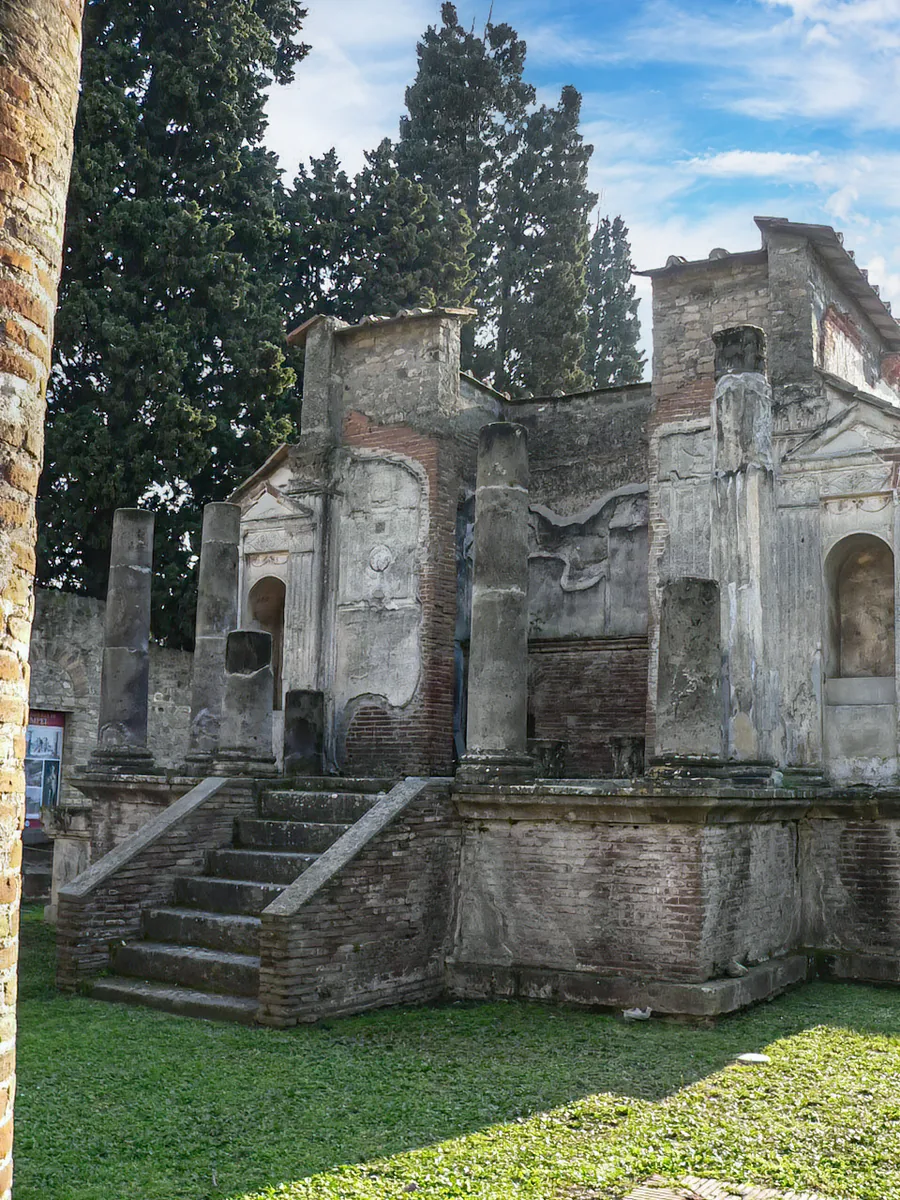
A good example of such an old excavation is the Temple of Isis. It came to light in 1764 and was the first religious building to be excavated in Pompeii, writes the National Archaeological Museum of Naples. The wall paintings were exceptionally well preserved. That museum displays the finds from the sanctuary together in a room of their own. In Pompeii itself, Ilaria Cangiano presents the phases of research, excavation, restoration and accessibility of the temple.
Maintenance instead of rescue
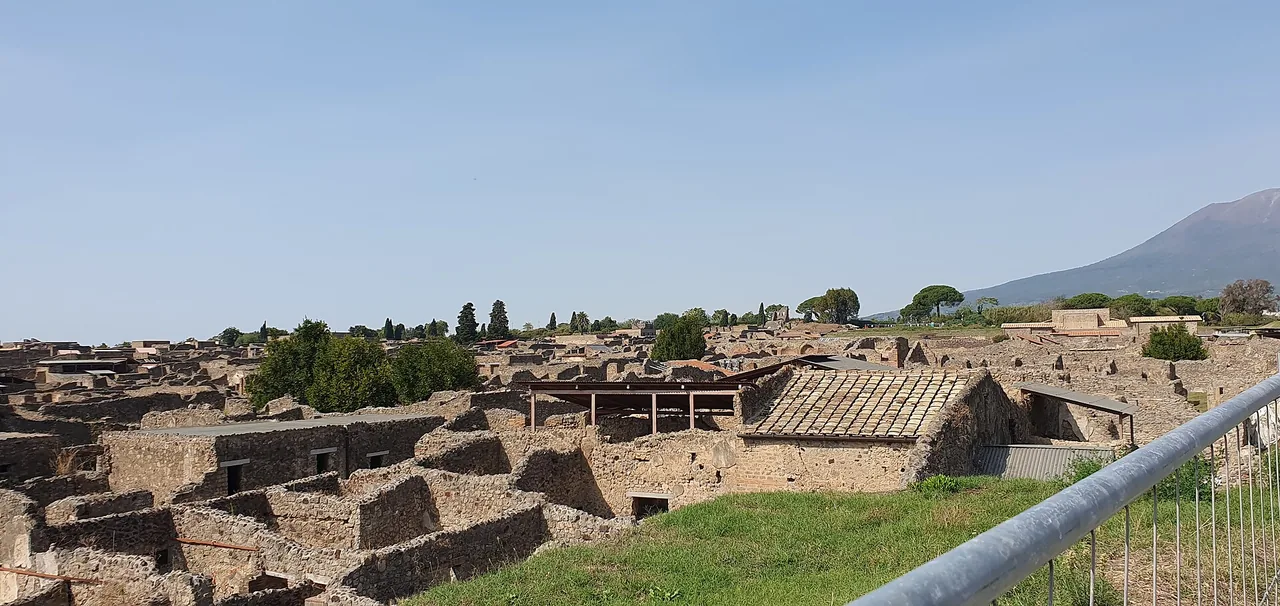
An excavated city is fragile. Weather and visitors pose a constant risk to walls and paintings. According to its own description, the park therefore works with a fixed system of monitoring and maintenance. A team of archaeologists, architects, conservators and craftspeople inspects, plans and intervenes in emergencies.
The emphasis is on prevention. The park checks the drainage of rainwater, lays covers over unroofed floors in certain seasons, manages visitor crowds and builds walkways. Walls and painted surfaces are cleaned, stabilised and protected according to fixed protocols. The idea is simple: if you maintain constantly, you need major and costly restoration less often. On 25 September, Teresa Virtuoso and Giandomenico Facella will talk about this planned maintenance, and Rosaria Cefariello and Vittoria Cutolo about the protection of the paintings and decorations.
In addition, there was a large programme. With a legislative decree from 2011, according to the park, the Italian government set up the Grande Progetto Pompei, a programme of conservation, prevention, maintenance and restoration. Among other things, it focused on making the still unexcavated earth banks safer, securing the blocks of houses, strengthening walls and painted surfaces and protecting buildings from the weather.
Crowds remain a concern. The park works with named tickets and a daily limit of twenty thousand visitors.
The digging goes on
Pompeii is not finished yet. At the research evening, Gennaro Iovino will talk about the excavation of the Casa del Tiaso in Regio IX. According to the park, the talks are meant to show which different disciplines are needed to understand and protect Pompeii. Alessandra Zambrano will speak about digitisation and new techniques.
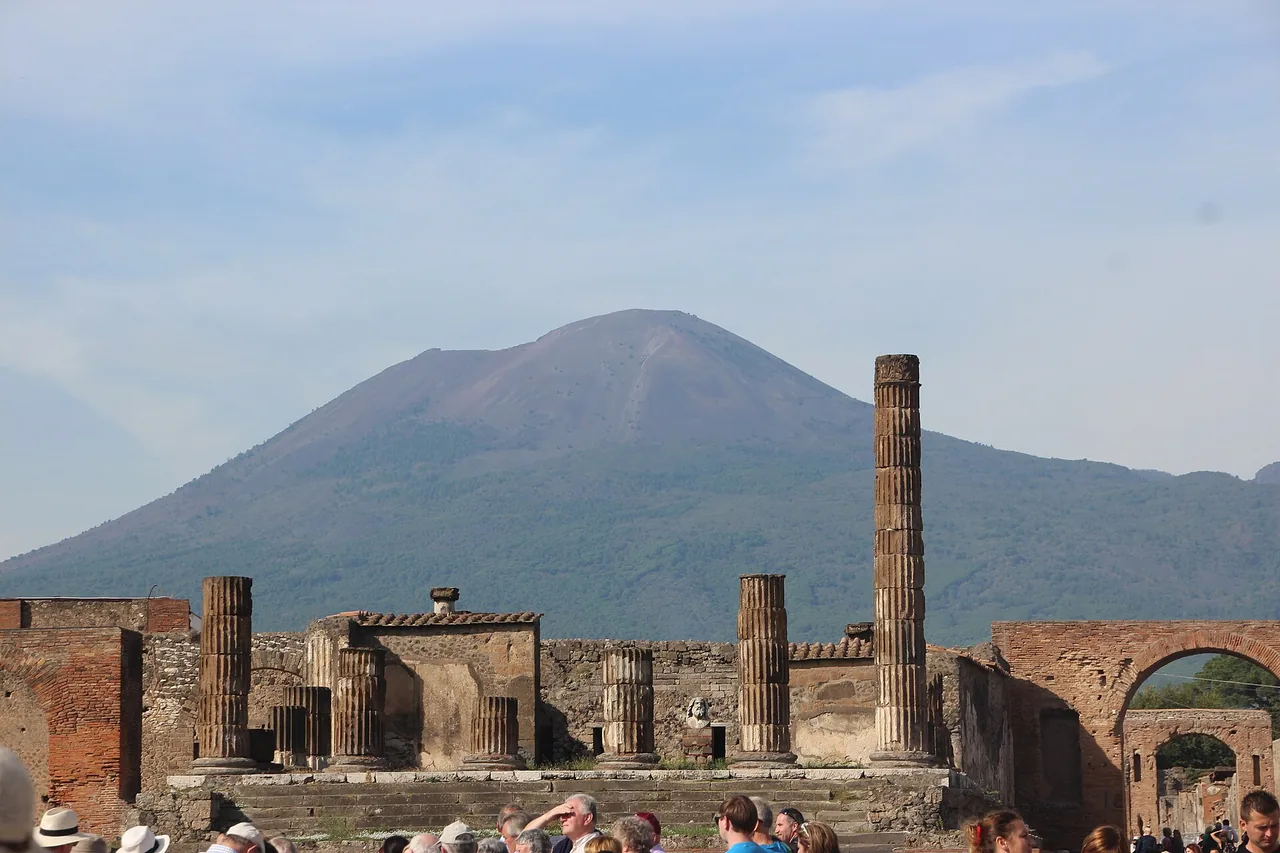
Columns and walls at the Forum of Pompeii, with Vesuvius behind under a light sky; visitors walk at the bottom of the picture. · Takver from Australia, CC BY-SA 2.0