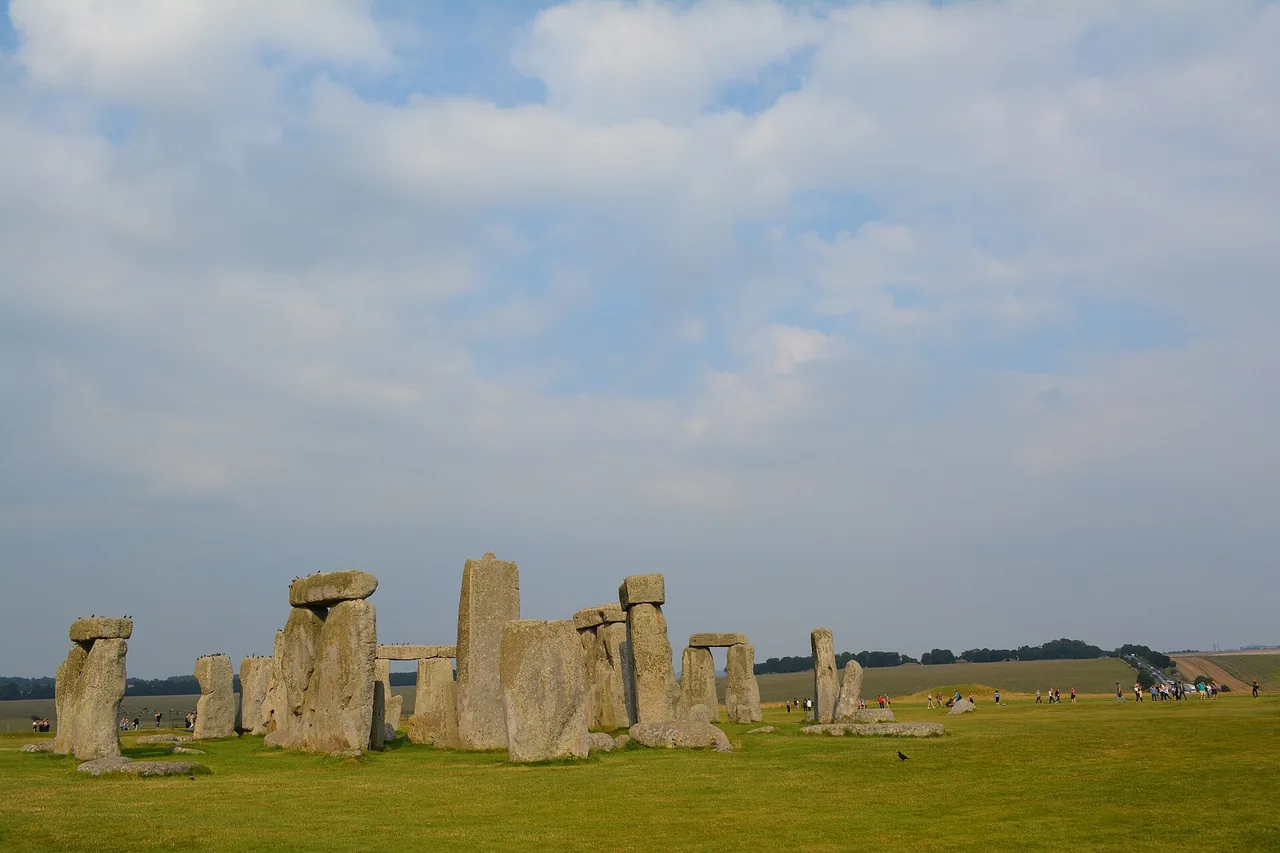
Stonehenge at the equinox: why the stones are not aligned on the autumn equinox
On 23 September 2026 English Heritage opened the stone circle at Stonehenge at sunrise for the autumn equinox. What an equinox is, what the builders did align the monument on, and why the equinox draws visitors all the same.
For Wednesday 23 September 2026, English Heritage, which manages the monument, had promised visitors access to the field with the stone circle as soon as the light allowed. It did ask visitors not to touch or climb on the stones: touching damages the surface and the rare lichens that grow on it.
It is a special day. Yet the equinox is not the day for which Stonehenge was once built. That story begins with the sun itself.
What an equinox actually is
The Earth's axis is tilted. As a result, the sun lights one hemisphere more than the other, depending on where the Earth is in its orbit. At two moments a year, the sun lights the northern and southern hemispheres equally. Those are the equinoxes, the Royal Observatory Greenwich explains. The sun is then directly above the equator, and day and night last roughly the same length of time, writes the British weather service, the Met Office. The word comes from Latin and means "equal night".
In 2026, according to the Royal Observatory Greenwich, the autumn equinox fell in the early hours of 23 September, British time. Because it is a single moment worldwide, the date can differ from one time zone to another.
Whether autumn then begins is a matter of convention. Some see the equinox as the start of the season, others as its middle, writes the Royal Observatory. For the Met Office, the autumn equinox marks the start of autumn: from then on, the nights are longer than the days.
Built on the solstices
Stonehenge was built in phases. The first monument was an earthen bank with a ditch from about 5,000 years ago. The stone circle followed in the late Neolithic, around 2500 BC. Together with Avebury, Stonehenge forms the heart of a World Heritage Site known for its dense concentration of prehistoric monuments.
The stones are not placed at random. Stonehenge and a number of other monuments in the area are aligned on the sunrise at midsummer and the sunset at midwinter, writes the World Heritage Site's coordination unit. English Heritage describes how this works. If you stand in the middle of the circle at midsummer, you see the sun rise just to the left of the Heel Stone, a single stone to the north-east of the circle. At midwinter the sun originally set between the two uprights of the tallest trilithon, two upright stones with a lintel on top. That effect has been lost, because half of that trilithon has fallen.
Perhaps the site was even chosen for that reason. Beneath the Avenue, the bank that connects Stonehenge with the River Avon, run natural ridges and gullies from the Ice Age. They happen to lie on the line of the solstice. The National Trust, which manages the surrounding landscape, writes that this natural phenomenon probably first made the place special.
English Heritage thinks that midwinter may have been more important to the builders than midsummer. If you walk along the Avenue towards the stones, you have the line to the setting midwinter sun straight ahead of you.
Why the equinox, then?
This is where honesty comes in. There is no evidence that the builders of Stonehenge marked the moments halfway between the solstices, in spring and autumn, writes English Heritage. Archaeoastronomers consider it unlikely that the equinoxes meant anything to people in prehistory. People do, however, gather there nowadays at the spring and autumn equinoxes to watch the sun rise.
The equinox at Stonehenge is therefore mainly a modern custom at an ancient place. For many visitors Stonehenge is a sacred place, writes English Heritage, and it asks them to respect the stones and each other.
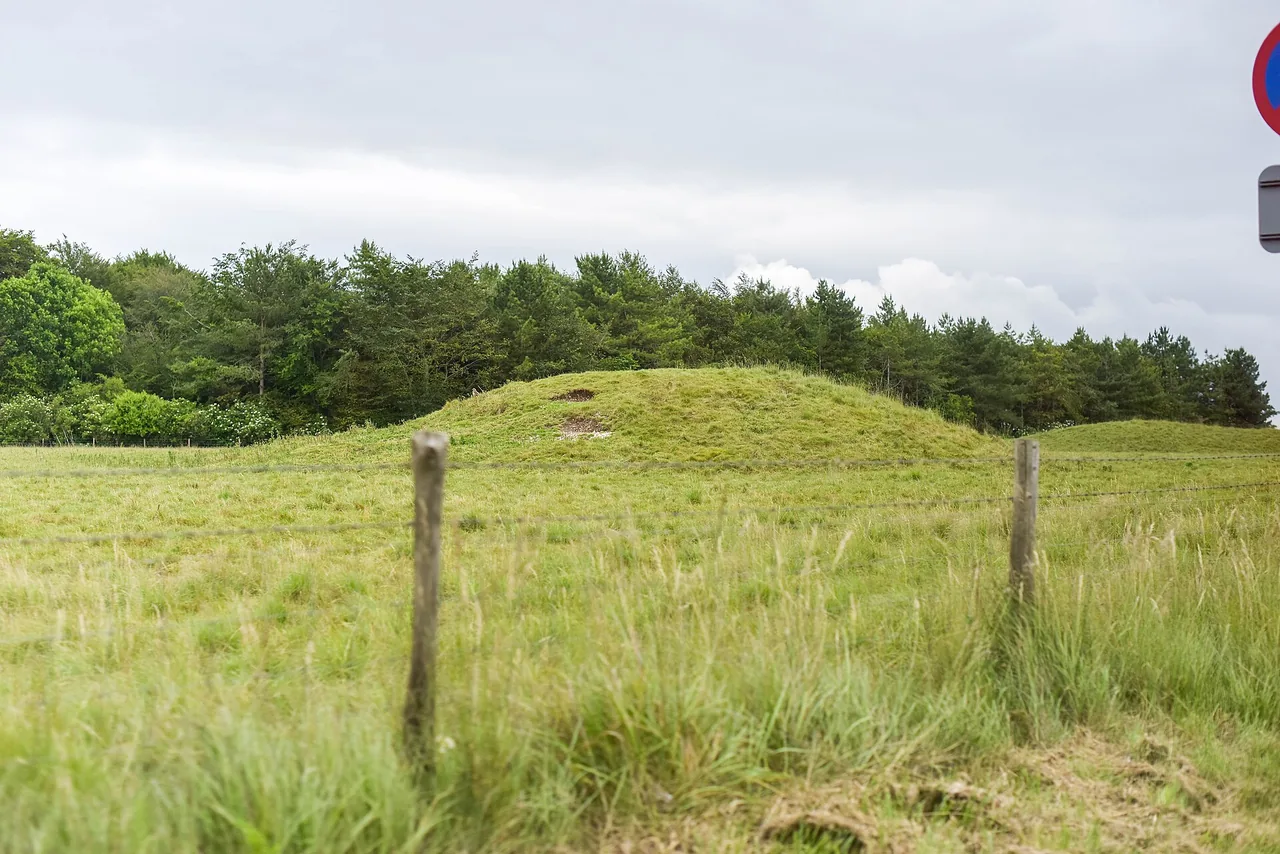
Anyone walking to the stones also crosses a much larger ancient landscape. The walk from the visitor centre goes over downland belonging to the National Trust, which manages 827 hectares of chalk grassland around the circle. Among other things, the Avenue and Bronze Age burial mounds lie there.
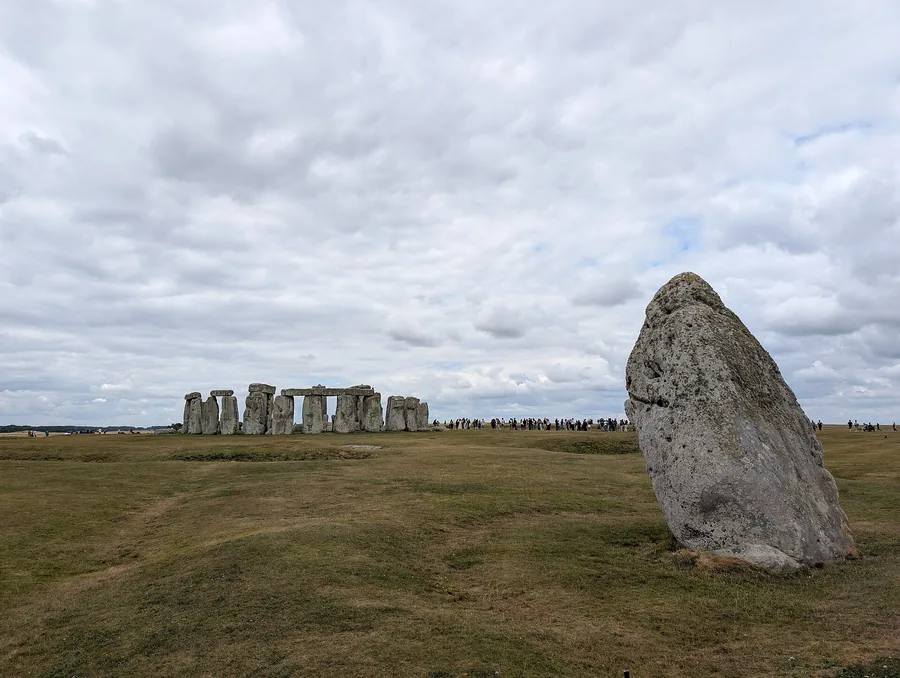
The stone circle of Stonehenge under a large, light cloudy sky, seen from the south-west; in the distance visitors walk across the grassland. · TobyEditor, CC BY 4.0