The sirocco: the wind that brings the Sahara to Europe
Warm air with dust in it comes up from the south, sometimes at hurricane force. Anyone who sees orange snow in the Alps is looking at desert.
Most winds in this part of the world come off the sea or down from the mountains. The sirocco comes out of the desert.
It is a Mediterranean wind that comes from the Sahara and can reach hurricane force in North Africa and southern Europe.
What it carries
Wind over a desert has little to hold it back. There is no vegetation fixing the surface, and there is fine material that goes into the air once the force is sufficient.
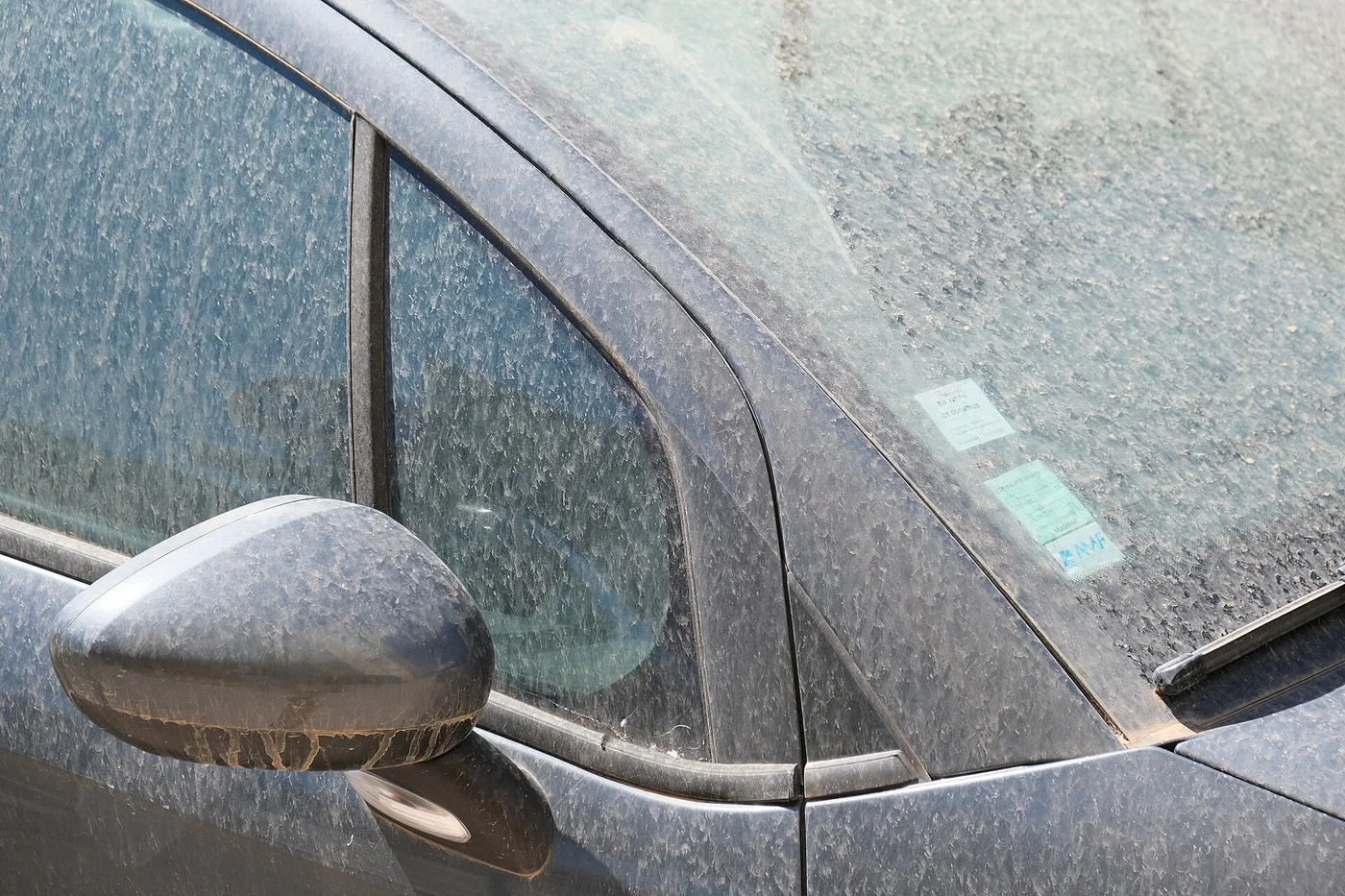
The sirocco is therefore not only warm but visible. It transports dust, and that dust settles where the air loses its load: on cars, on windows, on facades, and in the mountains on the snow. An orange or reddish haze over an Alpine ski slope is Sahara that has blown across.
That is not a curiosity but a transport line. Mineral material moves thousands of kilometres, and what disappears from the surface in North Africa comes down in Europe.
Why it feels so oppressive
The sirocco leaves dry and rarely arrives dry. On the way it crosses the Mediterranean, and over that warm water it takes up moisture.
The result is air that is warm and humid at once. That is exactly the combination people experience as stifling: the body cools by evaporation, and evaporation goes badly in air already full of moisture.
Add the force to that. A storm that cools you is bearable; a storm that is warm and leaves you sticky is exhausting. In the countries it passes, the sirocco is not the wind anyone looks forward to.
Its place in the series
That completes the fourth type in this series. The mistral descends and stays cold. The foehn descends and turns warm. The bora pours down cold at hurricane force. And the sirocco arrives horizontally, warm, humid and dirty.
What they share is that all four have been named, and that is no accident. A wind only gets a name of its own when it returns regularly, is recognisable, and has consequences people must reckon with.
The name sirocco goes back to the Arabic šurūq, which has to do with the rising of the sun, and therefore with the east. Here too the wind is named after where it comes from.
What you can do with it
For a traveller the sirocco is above all a warning in advance. It announces itself with a sky that turns milky instead of clear, with visibility dropping although there is no cloud, and with a temperature that rises while it does not get sunnier.
Anyone who sees that on a Mediterranean island can count on ferries having a harder time. And anyone with a car parked outside can expect a thin layer of desert on it the next morning.