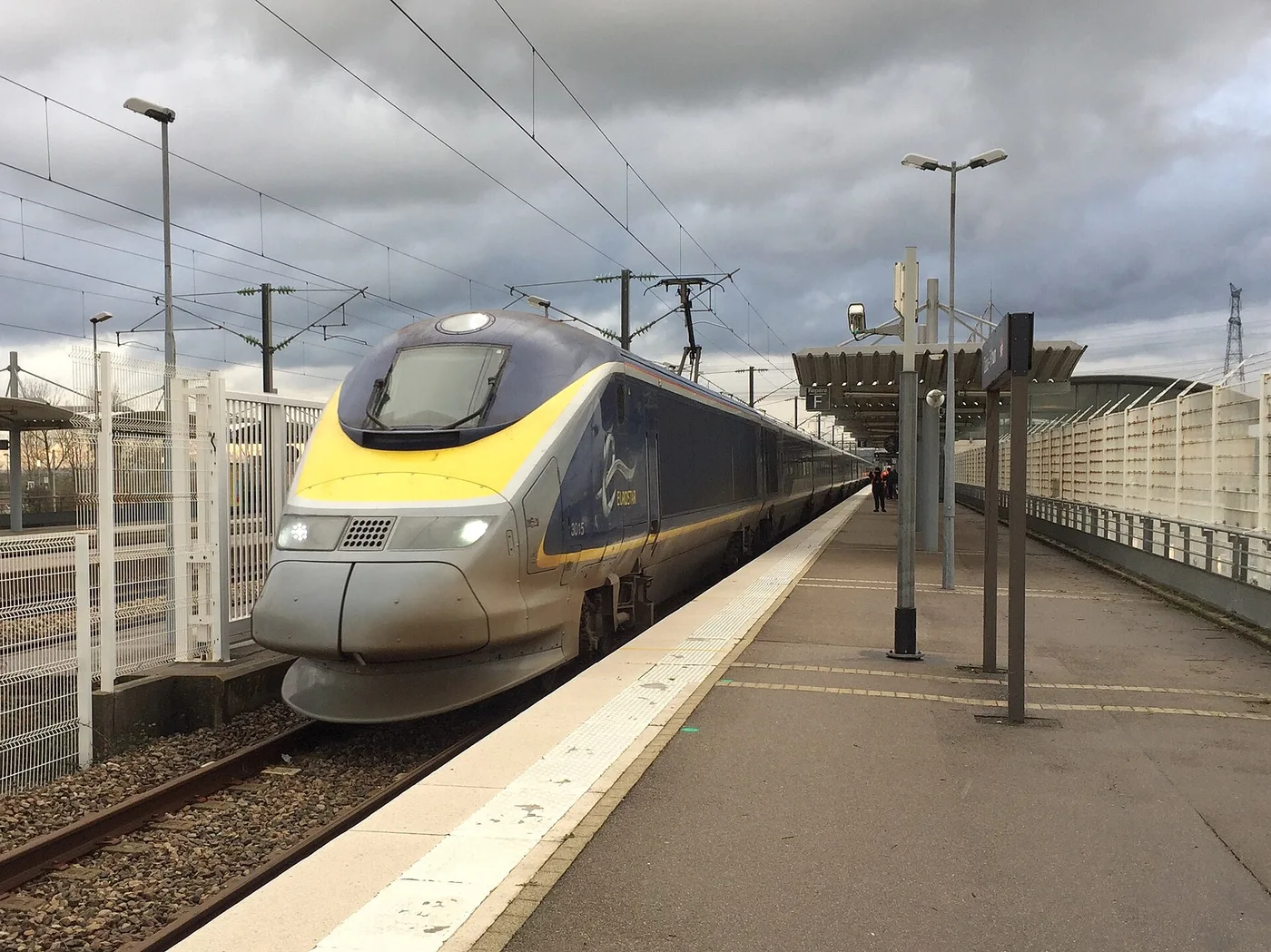
The Channel Tunnel: a hundred and ninety years of plans, centimetres apart
The first proposal dates from 1802. What held the tunnel up all that time was not engineering but fear of invasion.
On 1 December 1990 two crews broke a hole in the last wall between them. On one side stood the Englishman Graham Fagg, on the other the Frenchman Philippe Cozette, with the cameras watching. A BBC commentator called Fagg the first man to cross the Channel by land in eight thousand years.
The first object to pass through the hole to the French side was a Paddington Bear soft toy. The British tunnellers had chosen it.
How accurate that was
Two crews spent years boring towards each other from different coasts, under the sea. At the first borehole connection in October 1990, the alignment differed by 358 millimetres horizontally and 58 millimetres vertically, according to the Institution of Civil Engineers.
Think about that: a difference of centimetres to decimetres after kilometres of boring without daylight.
What had held it up all that time
Albert Mathieu proposed a Channel tunnel as early as 1802. Trial borings also took place in the nineteenth century. The idea was therefore much older than the tunnel that eventually opened.
There it stopped. Not because it could not be done, but because Britain saw a tunnel as a hole in its principal defence work. An island is an island for as long as nobody walks underneath it. Concerns over national security held the project up for more than a century.
Even in the twentieth century it went wrong again. In 1974 the British and French governments started a joint scheme; in January 1975 it was cancelled.
What finally happened
In 1988 the boring began in earnest. Eleven tunnel boring machines worked from both coasts through chalk marl, a rock that bores well and keeps water out. Two single-track rail tunnels were driven, with a service tunnel between them.
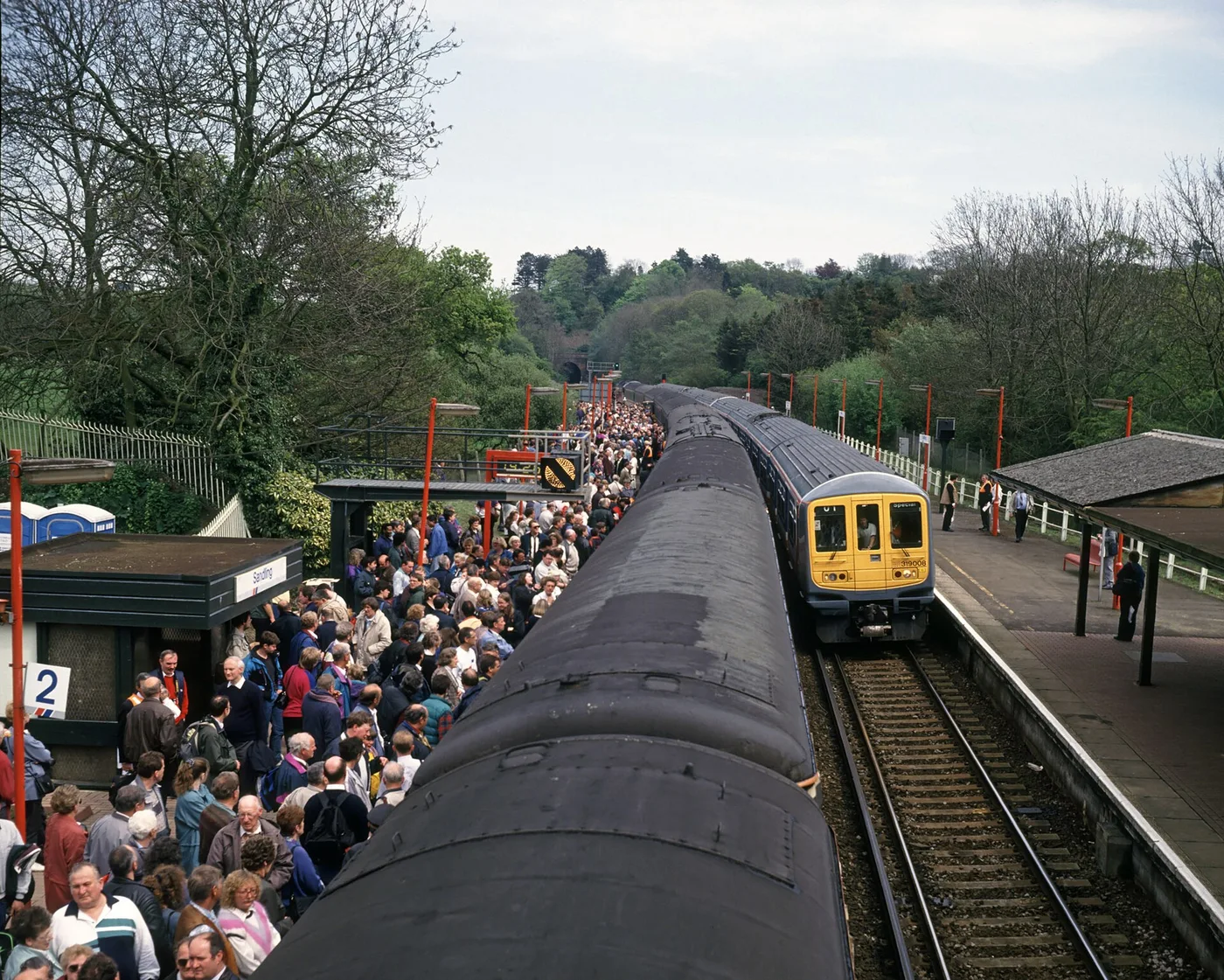
At peak, fifteen thousand people were working on it, with daily expenditure above three million pounds. The tunnel entered service in 1994; the opening was on 6 May of that year.
The total length is fifty point four six kilometres. The terminals are at Cheriton, part of Folkestone, and at Coquelles, connected to the British M20 and the French A16.
What it cost
At 1985 prices the budget was two point six billion pounds. It came to four point six five billion: an overrun of eighty per cent. Financing costs alone were a hundred and forty per cent above forecast.
There was also a price not counted in pounds. Between 1987 and 1993 ten workers died, eight of them British, most in the first months of boring, when the machines and the procedures were still bedding in.
Why those centimetres matter
Boring a tunnel from both ends is not a matter of going straight ahead. You have to know where you are without being able to look out anywhere, on an alignment that is neither straight nor level, under water.
The closeness of the two drives shows how accurately both crews knew their position over tens of kilometres, in three dimensions. That is the real engineering achievement, not just the length.
The traveller today sees little of that boring work. You enter one terminal and later leave another. Behind that unremarkable crossing lie almost two centuries of plans, political hesitation and two crews that found each other beneath the sea.