The Dolomites: mountains of a rock that once grew in shallow water
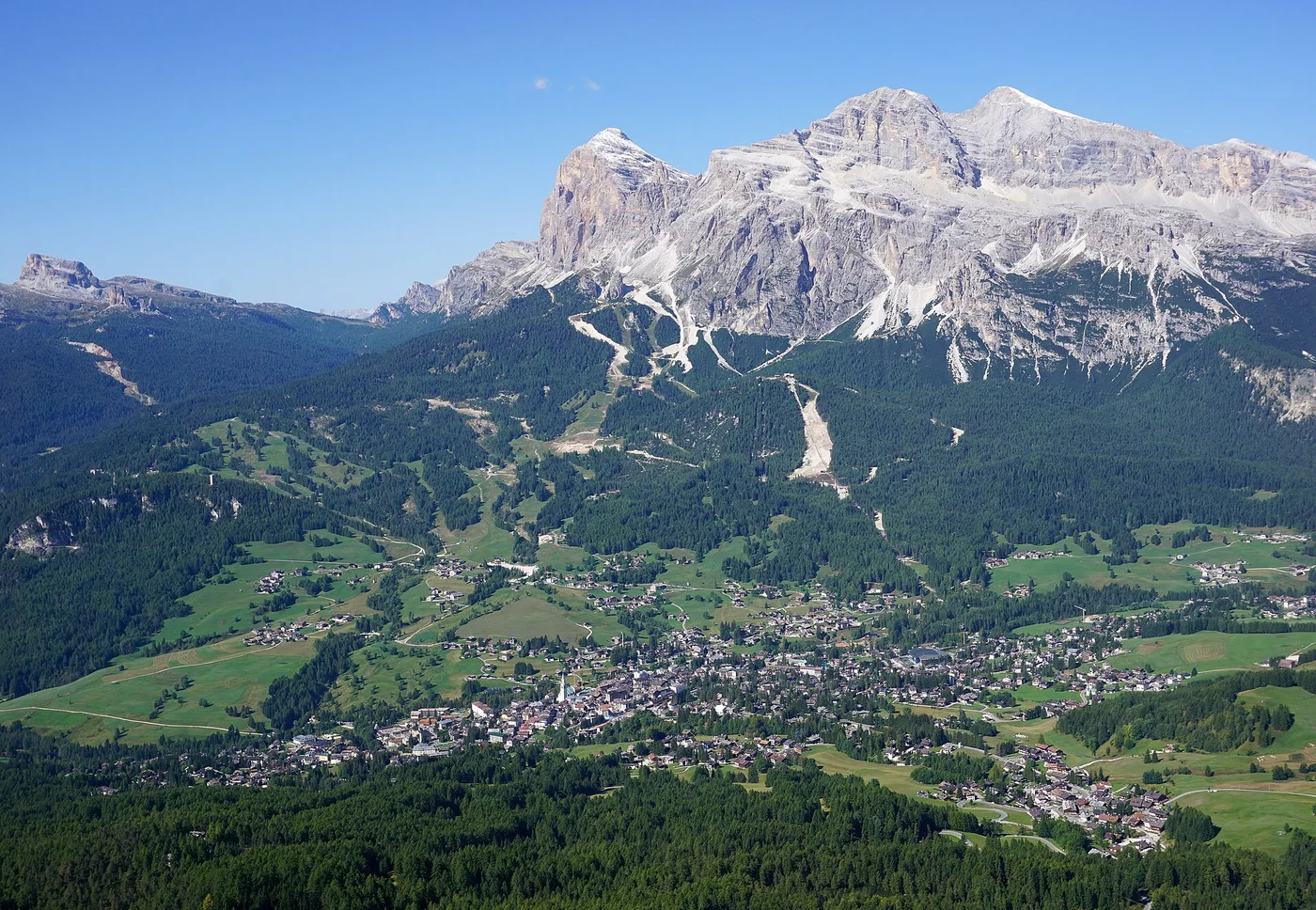
The pale towers above South Tyrol consist of dolomite. The material is largely Triassic and belongs more to a warm sea than to an Alpine summit.
The Dolomites look different from the rest of the Alps, and that is not a matter of shape alone. It is the material.
Where many Alpine summits consist of dark, layered rock, here stand pale, almost white massifs with vertical walls and flat tops. They colour rose-red at sunrise and sunset, and that phenomenon has acquired a name of its own.
Where that rock comes from
The geology of the area consists of sedimentary rock, namely dolomite, alongside volcanic rock. The material is largely from the Triassic.
Sedimentary rock is deposited rock: it was laid down somewhere, layer by layer, usually under water. Dolomite forms in shallow, warm seas, often in connection with reefs and with lime deposited by organisms.
That means these mountains come from below. What now stands three thousand metres above sea level was formed on the floor of a shallow sea, in a climate that had nothing to do with snow.
How it came up
The range was formed during the Alpine orogeny: the collision between the African and European plates that pushed up the whole Alpine system.
The remarkable part is that these massifs largely stayed intact in the process. In many places in the Alps the layers are folded, tilted and thrust over one another until they can barely be followed. Here they still stand strikingly horizontal in many places.
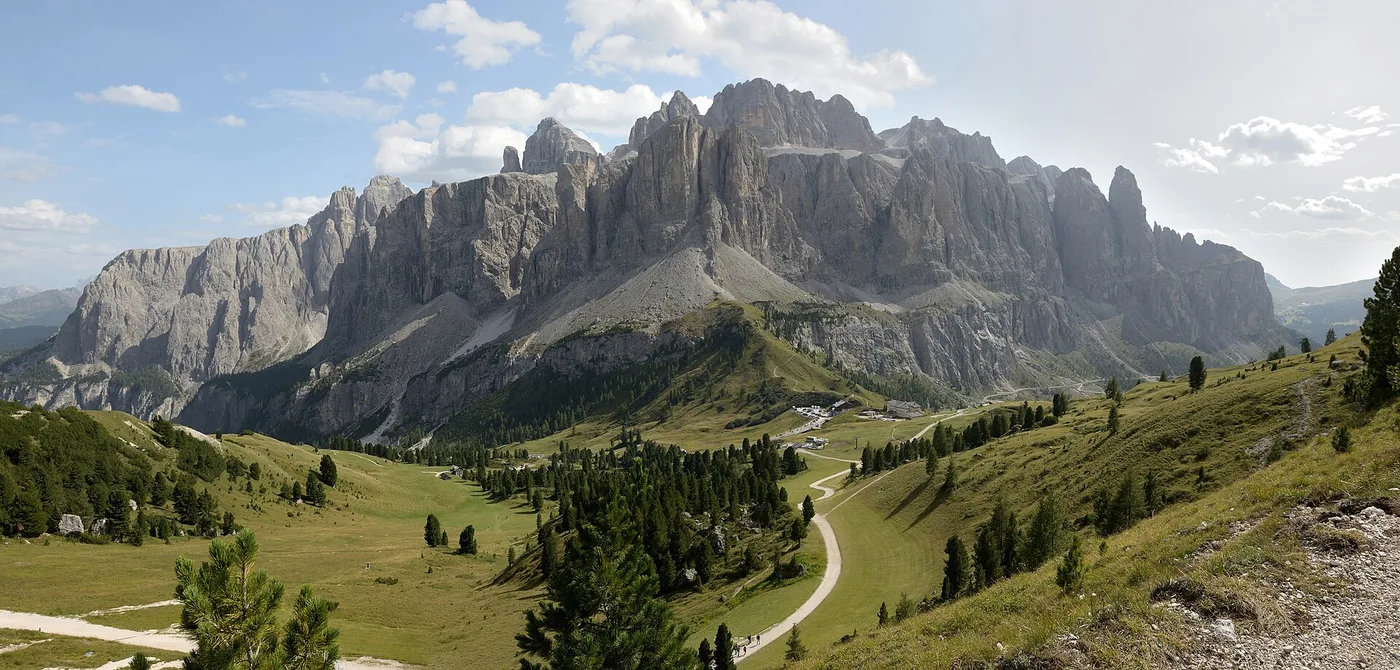
That is where the shape comes from. Horizontal layers of hard rock, lifted and then attacked by water and frost, do not yield pointed peaks but blocks with steep walls and flat tops. What has gone has broken off; what stands, stands upright.
Why they are so pale
Dolomite is lighter in colour than most rocks mountains are made of, and it reflects more light.
That explains both the nickname the pale mountains and the red glow at low sun. A surface that is light and rough takes on the colour of the light falling on it; at sunrise and sunset that light is reddish, and so the mountain becomes so too.
It is therefore not a property of the rock itself but of its interaction with light. On a cloudy afternoon the same walls stand there grey and flat.
What makes the area large
The area covers almost sixteen thousand square kilometres. That is not a mountain chain in the sense of one ridge, but a collection of separate massifs with valleys between them.
That structure explains why the landscape changes so much from village to village and why it is so accessible for walkers: you are rarely at the foot of one long wall here, but among groups of mountains each facing its own way.