From a Brussels conference to a Ghent quayside: what does an urban plan achieve?
The European Week of Regions and Cities ended on Wednesday in Brussels. A housing project at Ghent’s Oude Dokken shows how concrete the questions behind such a gathering are.
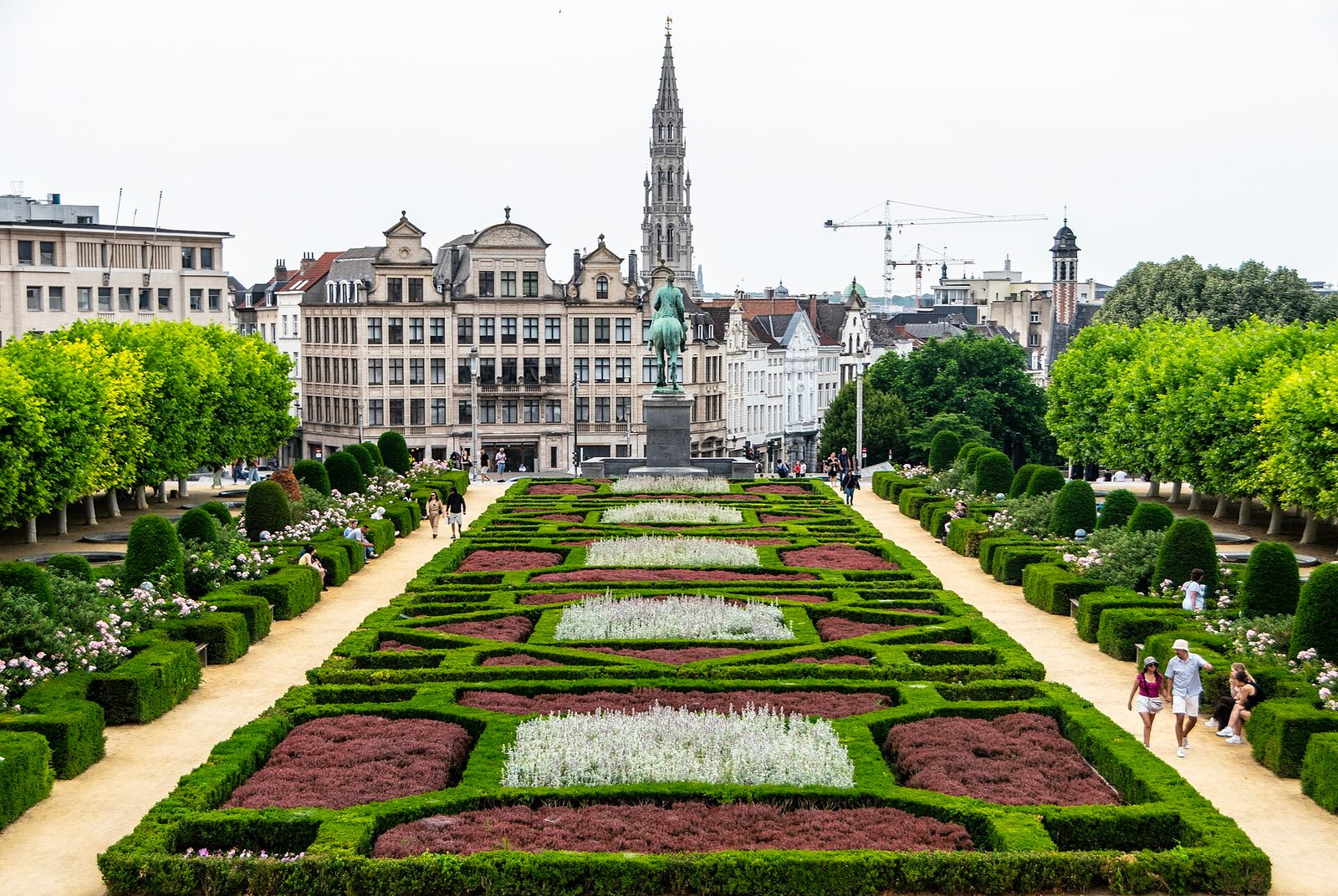
In Brussels on 14 October, three days of talks about regions and cities came to a close. Officials, researchers and municipalities discussed how European cooperation can help with jobs, housing and accessibility. One programme item on medium-sized cities dealt explicitly with affordable housing, amenities and the possibility of staying in one’s own region. At Ghent’s Oude Dokken, those themes are tied to a concrete urban renewal project: a new neighbourhood around former harbour basins.
The Oude Dokken lie around the Houtdok, Achterdok and Handelsdok, on a former port area. Ghent has been developing a new district here since 2004. Homes are appearing alongside public space and neighbourhood facilities; the area is not being delivered all at once. The city calls it an urban renewal programme, not a standalone residential building. In its project description, it links housing to plans for quays, parks and other public space around the docks. Some parts have been completed, while work continues on others.
One tangible part is at Melopee. In March 2026, Ghent announced that fifteen affordable rental homes there were ready to let, spread across two Bolders Beluik buildings. Ten are intended as budget rental homes and five as social rental homes. According to the city, the wider De Nieuwe Dokken project along the Schipperskaai comprises four hundred homes, including 89 social and 75 budget rental homes. The city development company sogent is delivering this project together with Schipperskaai Development. The figures do not say how many people now live in all parts of the neighbourhood.
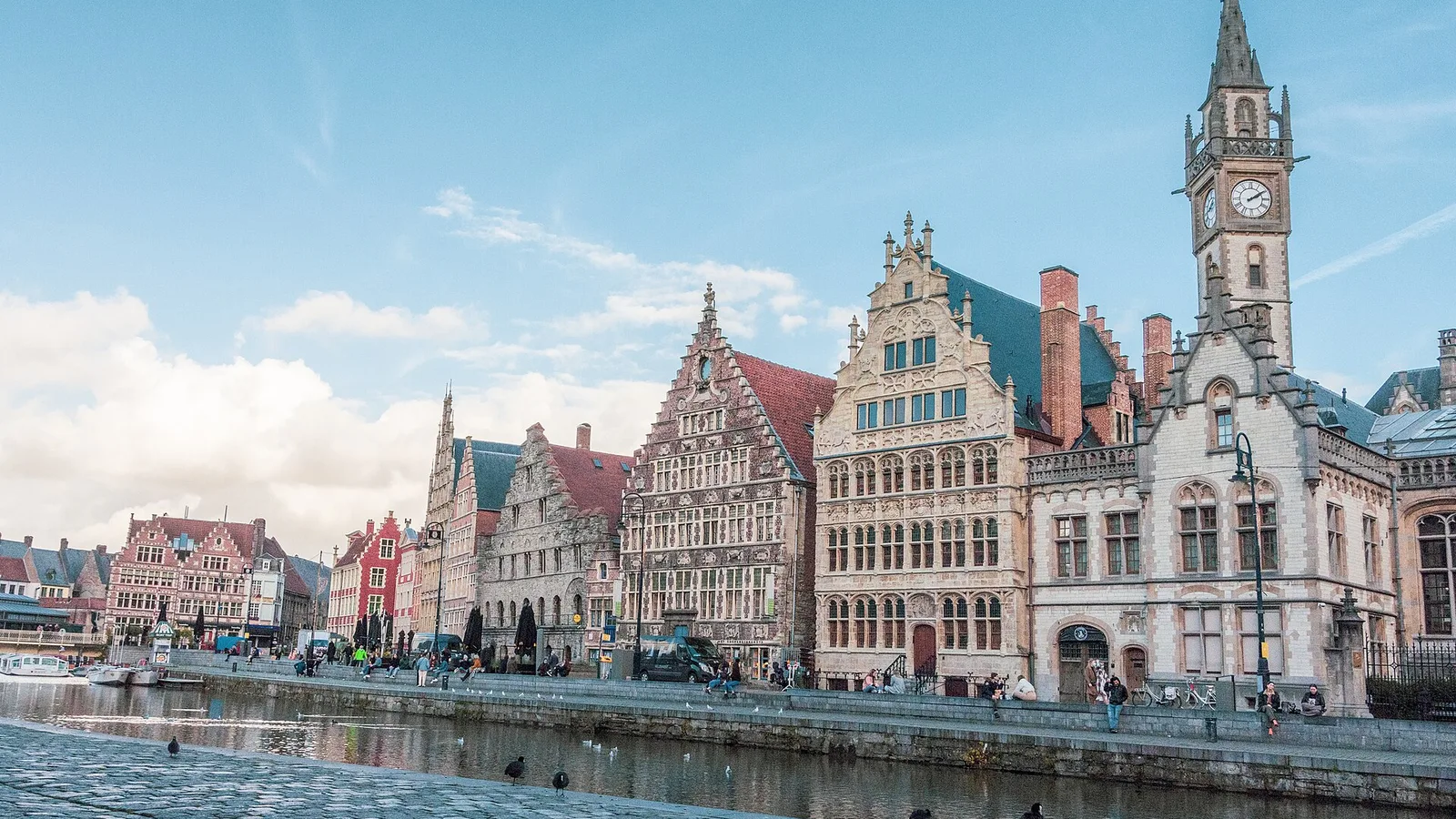
The Brussels programme did not demonstrably produce new homes or funding for this project. The conference was a place to exchange examples and tools. A session on medium-sized cities focused on the role of cities as hubs for services, work and their surrounding areas; a project manager from the City of Ghent was among the announced speakers. The Ghent quayside is therefore a useful concrete case for understanding the questions, without presenting its fifteen new rental homes as the result of three conference days.
At street level, these themes come together. In the Oude Dokken, Ghent describes projects for housing, quays, parks and water. According to the city, the fifteen rental homes at Melopee are finished; for the park next to the Melopee city building, the city reported in March that work was still under way. A European gathering offers room to exchange experiences, but no established link exists between the Brussels session and any change to the Ghent plan.
The Week of Regions and Cities is over; the Oude Dokken will continue to be developed. In the De Nieuwe Dokken project, social and budget rental homes are part of the four hundred homes described by Ghent. In March, the city reported that the park between the new homes and the Melopee city building would be ready by summer 2026. That schedule is a statement from the city in March, not confirmation that the park has now been completed.
Sources and image credits
- Europese Commissie — Week van Regio’s en Steden 2026
- Officieel programma — sessie middelgrote steden, 14 oktober 2026
- Stad Gent — stadsvernieuwing Oude Dokken
- Stad Gent — betaalbare huurwoningen Melopee, 10 maart 2026
Image credits 1
Photo: Julian Lupyan / Wikimedia Commons · CC0 1.0 · Image source

Image credits 2
Photo: Photo: Lichtinval.be / Wikimedia Commons · CC BY-SA 4.0 · Image source

Euro Magazine · 15 October 2026
1
2
3
4
5
6